Salads
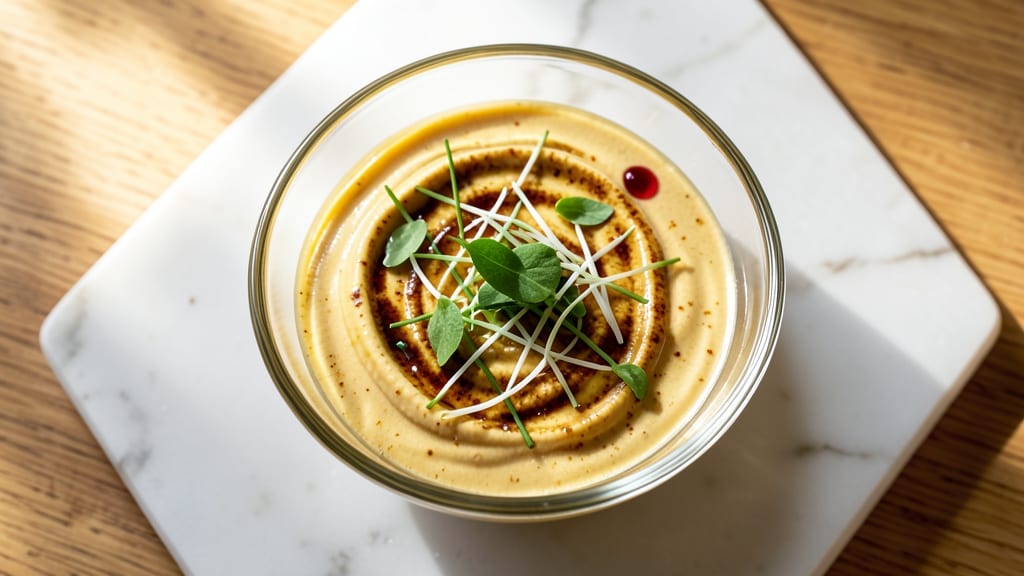
This chardonnay salad dressing recipe transforms simple greens into a gourmet experience with its velvety wine base and bright herbal notes. 💛 The secret lies in balancing rich chardonnay with tangy vinegar and buttery richness—creating a dressing that elevates any salad from ordinary to extraordinary.
Unlike store-bought versions, this recipe delivers depth of flavor with just five simple ingredients and takes less than five minutes to whisk together.
The dressing's magic comes from the chardonnay wine, which adds subtle sweetness and complexity that cuts through bitter greens while enhancing their natural flavors. A touch of Dijon mustard provides body, while fresh herbs like tarragon or chives contribute an aromatic finish.
The key is emulsifying the dressing properly so it clings beautifully to every leaf, ensuring every bite is cohesive and flavorful.
Perfect for spring and summer salads, this dressing pairs beautifully with arugula, spinach, or mixed greens, but it also shines as a marinade or dipping sauce. The buttery richness makes it ideal for heartier salads with grilled chicken, roasted vegetables, or crispy croutons.
Once made, it keeps in the refrigerator for up to one week, allowing you to enjoy restaurant-quality flavor without the effort.
What sets this dressing apart is its versatility—use it as-is for a classic vinaigrette or thin it with additional wine or water for a lighter drizzle.
The herbal depth ensures it never tastes flat, making it a go-to for any salad lover. Ready to elevate your salads? Let’s make this dressing.
Ingredients for chardonnay salad dressing
Five ingredients transform ordinary salads into restaurant-quality dishes with velvety wine and herbal brightness.
| Ingredient | Amount | Notes |
|---|---|---|
| Dry Chardonnay Wine 🍷 | ½ cup | Bold and dry variety preferred |
| Dijon Mustard 🧂 | 1 tbsp | For emulsification and depth |
| Extra-Virgin Olive Oil 🫒 | ½ cup | High-quality, fruity variety |
| Fresh Tarragon Leaves 🌿 | ¼ cup | Chopped finely for aroma |
| Fresh Chives 🌿 | ¼ cup | Chopped finely for brightness |
| Apple Cider Vinegar 🍏 | 1 tbsp | For tangy balance |
| Salt 🧂 | ½ tsp | Kosher or sea salt preferred |
| Black Pepper 🌶️ | ¼ tsp | Freshly ground for warmth |
| Honey 🍯 | 1 tsp | Optional, for subtle sweetness |
The chardonnay is non-negotiable—look for a bold, dry variety from the wine aisle, not cooking wine. Trader Joe's or Total Wine often carry affordable options that work perfectly. Fresh herbs are ideal, but if you're using dried, reduce to one-third the amount and toast lightly to intensify flavor. The Dijon mustard should be smooth, not grainy, for proper emulsification. For the olive oil, California Extra Virgin brands like Corto or Bertolli deliver the fruity notes that elevate this dressing.
No chardonnay? White wine vinegar or apple cider vinegar can substitute at the same amount, though flavor will differ. Short on tarragon? Fresh dill or chervil work well, though tarragon's anise-like quality is signature here. The honey is optional, but if you omit it, add an extra 1/4 tsp vinegar for balance. For a lighter dressing, thin with additional wine or water—just whisk vigorously to re-emulsify. This dressing is best made fresh, but if you're prepping ahead, store the components separately and combine just before serving.
Once mixed, this dressing keeps for up to one week in an airtight jar in the fridge. The emulsification holds well, but give it a quick shake before each use. For extra richness, add 1 tbsp crumbled blue cheese or 1 tsp lemon juice just before serving. The buttery wine base makes it ideal for heartier salads with grilled chicken, roasted vegetables, or crispy croutons—just drizzle generously for that restaurant-quality finish.
Why You'll Love This Recipe
- Five-Ingredient Magic: I keep a bottle of this in my fridge because it’s that simple—just whisk wine, mustard, oil, and fresh herbs. No emulsifiers, no fuss, no second-guessing.
- Herb-Infused Brightness: That tarragon and chives? They turn a basic vinaigrette into something ridiculously fresh—like a summer breeze in a jar. Honestly, the wine’s acidity cuts through the richness of greens like a dream.
- Weeknight to Dinner Party: Toss it on a quick grain bowl for lunch or drizzle it over seared scallops for a fancy-ish dinner. Between us, I’ve used it on everything from charcuterie boards to sad desk lunches, and it never lets me down.
- No-Waste Pantry Hero: A little goes a long way, so you’ll have leftovers for days—no sad, wilted salad dressing here. And since you’re using what you’ve got (that half-empty wine bottle, maybe?), it’s also sneaky budget-friendly.
Step-by-step instructions for chardonnay salad dressing
This buttery wine vinaigrette delivers elegant depth with minimal effort.
🍳 Step 1: Whisk Wine and Mustard for Emulsification
In a medium bowl, combine the 0.5 cup dry Chardonnay wine and 1 tablespoon Dijon mustard. Whisk vigorously for 1-2 minutes until fully emulsified and slightly thickened. The mustard acts as an emulsifier that will help bind the oil later.
Here's the thing—don't rush this step. You're creating the foundation of your dressing, and proper emulsification now prevents separation later. The mixture should look smooth with no visible streaks of mustard remaining.
👨🍳 Step 2: Add Vinegar, Honey, and Seasonings
Pour in the 1 tablespoon apple cider vinegar and 1 teaspoon honey, whisking continuously. Then add the 0.5 teaspoon salt and 0.25 teaspoon freshly ground black pepper. Taste the mixture—the acidity should balance the wine's richness while the honey adds subtle sweetness.
This is where the dressing starts developing its complex flavor profile. The vinegar cuts through the wine's buttery notes, while the honey rounds out the acidity. Adjust the honey to taste if you prefer more or less sweetness—this is your flavor calibration point.
🥘 Step 3: Incorporate Fresh Herbs
Gently fold in the 0.25 cup finely chopped fresh tarragon leaves and 0.25 cup finely chopped fresh chives using a rubber spatula. The herbs should be evenly distributed but still visible—this ensures their bright, aromatic qualities shine through without overpowering the wine base.
Real talk: use the freshest herbs you can find. Wilted herbs will make your dressing taste flat. If your tarragon stems are tough, remove them first—the leaves are where all the flavor lives. The chives add a delicate oniony brightness that cuts through the richness.
🍳 Step 4: Slowly Emulsify the Olive Oil
With the motor running on low speed, very slowly drizzle in the 0.5 cup extra-virgin olive oil over 2-3 minutes. This gradual addition is crucial—it allows the mustard to properly emulsify the oil rather than creating a split dressing. The mixture should thicken noticeably as you add the oil.
Don't pour the oil too quickly or all at once. The key is patience here. You'll know you're doing it right when the dressing becomes creamy and homogeneous, with no visible oil separation. If it does separate, simply whisk vigorously for another 1-2 minutes.
⏰ Step 5: Rest and Adjust Consistency
Cover the bowl and let the dressing rest at room temperature for 15-20 minutes. This resting period allows all the flavors to meld together and the emulsification to fully set. After resting, check the consistency—it should coat the back of a spoon but still be pourable.
If the dressing is too thick, thin it with 1 teaspoon water at a time until you reach your desired consistency. If it's too thin, let it sit another 5 minutes or whisk in ½ teaspoon additional Dijon mustard. The perfect dressing should cling beautifully to greens while remaining light enough to drizzle.
Pro Tips For Making Chardonnay Salad Dressing
- Whisk in Stages: Start with just the wine and mustard—no oil yet. The wine’s acidity needs to mingle with the mustard’s tang before you dilute it with oil, or the dressing will taste flat. I used to dump everything in at once, and the flavors never married right.
- Chill the Wine First: Take the Chardonnay out of the fridge 10 minutes before using—it’s less likely to shock your dressing when you add it. Cold wine makes the dressing separate faster, and nobody wants to shake a jar of oil and vinegar. (Yes, even if you’re impatient like me.)
- Pulse Tarragon, Don’t Chop: Stack the tarragon leaves and give them a few sharp pulses in a mini food processor—just enough to break them into tiny pieces, not paste. Whole leaves sink to the bottom; pulsing keeps the flavor evenly distributed without turning the dressing into herbal soup.
- Taste Before the Oil: Check the balance of wine and mustard first—acidity should sing, not bite. Only then add the olive oil slowly while tasting. I learned this the hard way by drowning a perfectly balanced base in too much oil and ending up with something bland.
Make-ahead tips for leftovers
Prep Components Separately
For maximum freshness and flavor, I recommend prepping the dressing components in advance and storing them separately. Keep the Dijon mustard, vinegar, honey, and salt in a small airtight container in your fridge for up to one week.
Store the fresh tarragon and chives in a sealed bag with a paper towel to absorb moisture—this keeps them vibrant for 3-4 days. The Chardonnay wine and olive oil can stay at room temperature until ready to use. 🌿
Emulsify Ahead for Stability
If you're short on time, you can emulsify the wine, mustard, and vinegar mixture 24 hours ahead and store it in the fridge. When ready to use, simply whisk in the oil, herbs, and seasonings.
The pre-emulsified base will help the final dressing hold together better. I’ve found this trick especially helpful for batch cooking—just add the fresh herbs right before serving to keep their aroma intact. 💡
Thin with Wine for Longevity
To extend the dressing’s shelf life, store it in a small glass jar (like a Le Parfait 8-oz jar) and thin it with an extra 2 tablespoons of Chardonnay wine before sealing. This prevents the oil from separating over time.
Shake vigorously before each use, and it’ll stay fresh for up to 10 days. The wine’s acidity helps preserve the dressing’s brightness longer than water would. ✨
Freeze for Long-Term Storage
For longer storage, freeze the fully emulsified dressing (without herbs) in ice cube trays. Once frozen, transfer the cubes to a ziplock bag and store for up to 3 months.
Thaw in the fridge overnight, then whisk in fresh herbs and a splash of water or wine to restore consistency. This method works especially well if you make large batches—just pop out what you need for each salad. ❄️
Herb Swaps for Flexibility
Pre-chop your herbs and store them in the freezer for up to 3 months. When ready to use, simply thaw and fold them into the dressing. I like using frozen basil or parsley as alternatives to tarragon—they add a different but equally bright flavor profile. Just
Portion for Convenience
Divide the dressing into small 4-oz jars for easy grab-and-go use. Label each jar with the date and store them in the fridge. This way, you can grab a jar straight from the fridge and toss it with your greens without any extra prep. I keep these in my pantry for quick lunches—just shake and drizzle. The small size also makes it easier to finish before the dressing separates. 💛
Nutrition facts
Frequently asked questions
Can I use cooking wine instead of dry Chardonnay?
Never! Cooking wine has a harsh, salty taste that will overpower your dressing. Use a dry, high-quality Chardonnay from the wine aisle—it's the secret to that buttery, elegant flavor. If you're in a pinch, a dry white wine vinegar can replace the wine in a bind, but the texture and depth won't be the same.
Why did my dressing separate?
Separation happens when oil and liquid aren't properly emulsified. To fix it, whisk vigorously for 2-3 minutes—the Dijon mustard will re-bind the oil. For prevention, always add oil very slowly while whisking continuously. If it keeps separating, your mustard might be old—replace it with fresh Dijon.
What's the best way to store leftovers?
Transfer to an airtight glass jar and refrigerate for up to 7 days. Before using, shake well—if separation occurs, whisk vigorously. For longer storage, freeze in ice cube trays (without herbs) for up to 3 months. Thaw overnight in the fridge, then whisk in fresh herbs and a splash of wine to restore consistency.
Can I make this dressing without fresh herbs?
Yes! Use 1/3 teaspoon dried tarragon and 1/3 teaspoon dried chives (or 1/2 teaspoon dried basil) as substitutes. Toast the dried herbs lightly in a dry pan for 30 seconds to intensify their flavor before adding. The dressing will still taste great, though fresh herbs add that bright, aromatic finish that makes it special.
How much dressing should I make for a salad?
This recipe yields about 1 cup, which is perfect for a large mixed greens salad (6-8 cups greens). For a smaller salad (4-6 cups), use 1/3 cup. The dressing clings beautifully to greens, so you won't need much—just enough to lightly coat the leaves. Taste as you go and adjust to preference!