
Salads
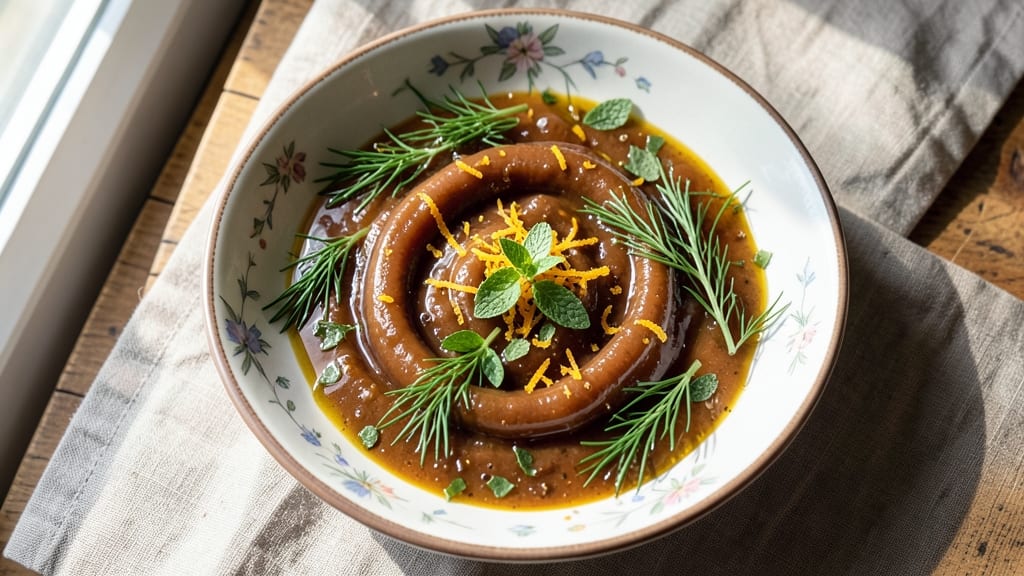
This sweet Greek salad dressing recipe transforms ordinary greens into a vibrant, flavor-packed experience with just six ingredients. The perfect balance of honey, fresh orange zest, and bright herbs creates a dressing that's sweet yet tangy, rich yet refreshing—ideal for Mediterranean salads or grilled chicken dishes.
What sets this apart is the way the honey and citrus marry with traditional Greek flavors, elevating simple ingredients into something extraordinary.
The secret lies in the emulsification technique: whisking olive oil into the vinegar mixture slowly while adding a touch of Dijon mustard ensures the dressing stays silky and clings beautifully to every leaf.
No special equipment is needed—just a whisk and a few minutes of your time. This recipe delivers restaurant-quality results with minimal effort, making it perfect for both weeknight meals and special occasions.
Once mixed, this dressing keeps its vibrant flavor for up to 10 days in the refrigerator, making it an excellent make-ahead option. The bright orange notes and fresh herbs cut through rich ingredients like feta and olives, while the honey adds just enough sweetness to balance the tang.
It’s the kind of dressing that turns a simple salad into a showstopper—without overpowering the natural flavors of your vegetables.
Use it generously on Greek salads, as a marinade for grilled meats, or even as a drizzle over roasted vegetables. The versatility of this dressing means you’ll reach for it time and again, proving that sometimes the simplest recipes deliver the most impressive results.
Ingredients for sweet greek salad dressing
Six simple ingredients create a bright, honey-kissed dressing perfect for Mediterranean salads and grilled dishes.
| Ingredient | Amount | Notes |
|---|---|---|
| Extra-Virgin Olive Oil 🫒 | ¾ cup | High-quality, fruity variety preferred |
| Red Wine Vinegar 🍷 | ⅓ cup | Dry, robust flavor recommended |
| Raw Honey 🍯 | ¼ cup | Local honey for subtle floral notes |
| Fresh Orange Zest 🍊 | 1 tbsp | From organic oranges, finely grated |
| Fresh Dill 🌿 | ¼ cup | Chopped, stems removed |
| Fresh Mint Leaves 🌿 | ¼ cup | Chopped, for bright herbal note |
| Dijon Mustard 🌶️ | 1 tsp | For smooth emulsification |
| Sea Salt 🧂 | ½ tsp | Fine grain preferred |
The olive oil and vinegar are your base, but don't skimp on quality—California olive oil or Spanish varieties work best. For honey, local raw honey adds subtle floral notes, but any liquid honey will do. Fresh herbs are non-negotiable: Whole Foods or local farmers markets carry the best dill and mint. The orange zest should be vibrant yellow—if it's dull, your oranges are past their prime. For vinegar, Balsamic or red wine vinegar both work, but stick with dry varieties to avoid overpowering sweetness.
No fresh dill? Dried dill at one-third the amount works in a pinch, but you'll lose that bright herbal punch. Substitute mint with parsley or basil if needed, though the flavor profile will shift slightly. Out of Dijon mustard? Yellow mustard thinned with water mimics the emulsifying properties. For honey alternatives, agave nectar or maple syrup work well, though they'll alter the texture slightly. The dressing relies on proper emulsification—whisking slowly is key to avoid separation.
This dressing keeps beautifully for 10 days in the fridge, though the citrus notes fade after 5 days. Store in an airtight glass jar with a thin layer of olive oil on top to preserve freshness. Shake well before each use. Freezes for 3 months if stored properly, though texture may separate slightly. For best results, use within 1 week of making it—freshness is everything with this bright, citrusy dressing.
Why You'll Love This Recipe
- Five-Ingredient Magic: I swear by this combo—just oil, vinegar, honey, orange zest, and dill. No fancy tools, no stress, and honestly? It takes less time than debating what to eat for dinner.
- Bright & Balanced: That honey cuts through the sharpness of the vinegar while the orange zest adds this lift—like a little sunshine in every bite. The dill? It ties it all together with a fresh, herbal punch that makes salads taste like they belong in a Mediterranean bistro.
- Party in a Jar: Between us, this dressing is my go-to for picnics, potlucks, or just because. Drizzle it on grilled chicken, toss it with roasted veggies, or serve it in tiny jars at a brunch spread—it’s the kind of thing that makes you look like a culinary genius with zero effort.
- No-Waste Winner: Use what you have, and it’ll last. The honey and orange zest keep it from going rancid, so I make a big batch and stash it in the fridge. A splash here, a splash there—it’s my budget-friendly secret for making everything taste like a splurge without the cost.
Step-by-step instructions for sweet Greek salad dressing
This honey-orange vinaigrette delivers bright, balanced flavor with minimal effort—just whisk and taste.
Whisk Vinegar, Honey, and Mustard
In a medium bowl, combine the 0.33 cup red wine vinegar, 0.25 cup raw honey, and 1 teaspoon Dijon mustard. Whisk vigorously for 30 seconds until the honey dissolves completely and the mixture becomes smooth. The mustard acts as an emulsifier, helping the oil and vinegar blend seamlessly later.
Taste the mixture at this stage—it should be tangy-sweet with a subtle mustard bite. If it needs more acidity, add 1 teaspoon more vinegar; if it's too sharp, stir in 1 teaspoon more honey. This balance is the foundation of your dressing, so don't rush this step. The flavors should harmonize without any single note overpowering.
Stir in Fresh Herbs and Orange Zest
Add the 0.25 cup chopped fresh dill, 0.25 cup chopped fresh mint leaves, and 1 tablespoon fresh orange zest to the vinegar mixture. Using a wooden spoon, stir gently to combine—you want the herbs to infuse their flavors without becoming muddy. The orange zest adds a bright citrus aroma that cuts through the richness of the olive oil.
Let the mixture sit for 2 minutes while you prepare the olive oil. This brief rest allows the herbs to soften slightly and release their essential oils, enhancing their flavor. The zest will also begin to brighten the mixture, giving it that signature Greek salad dressing zing.
Gradually Emulsify the Olive Oil
With the whisk in hand, slowly drizzle in the 0.75 cup extra-virgin olive oil while whisking continuously. Start with a thin stream and maintain a steady pace—this gradual addition prevents the dressing from separating. The oil should blend smoothly, creating a thick, glossy vinaigrette within 1-2 minutes of whisking.
If the dressing starts to look broken or oily, simply whisk harder for another 30 seconds. The Dijon mustard and honey work together to create a stable emulsion. For extra insurance, add 1-2 tablespoons of warm water if needed, but the original recipe should emulsify perfectly with the given ingredients.
Season and Adjust to Perfection
Sprinkle in the 0.5 teaspoon sea salt and whisk once more to distribute evenly. Taste and make final adjustments: if it needs more brightness, add 1/4 teaspoon more orange zest; if it lacks depth, stir in 1/2 teaspoon more Dijon mustard. The dressing should coat the back of your spoon with a velvety texture and balance all flavors—tangy, sweet, herby, and slightly salty.
Transfer the dressing to a clean jar or airtight container. It will keep in the refrigerator for up to 1 week, though the herbs will continue to infuse their flavors over time. Shake well before each use, especially if the dressing has separated slightly—this is normal and easily fixed with a quick whisk.
Pro Tips For Making Sweet Greek Salad Dressing
- STIR BEFORE MEASURING: Mix the honey and vinegar first—this prevents clumpy honey from sinking to the bottom and ensures your dressing emulsifies smoothly. I used to just toss everything in blindly, and half the time it’d separate like a sad, greasy puddle.
- USE COLD OIL: Measure your olive oil straight from the fridge—cold oil blends better with the honey and vinegar, so the dressing stays silky instead of breaking. I learned this after my first batch turned out grainy, and now I swear by it.
- ZEST FRESH, NOT DRY: Grate the orange zest right before mixing—pre-grated zest loses potency fast, and dried zest (even fine) can’t replicate the bright, fresh bite you want. If you’re in a pinch, use a tiny pinch of orange extract, but it’s not the same.
- WHISK, DON’T SHAKE: Give it 30 seconds of vigorous whisking—not just a quick shake—to marry the flavors and create a proper emulsion. Shaking just separates the oil and vinegar, and you’ll end up with a dressing that looks like a science experiment gone wrong.
Regional styles of sweet greek salad dressing
Classic Greek Influence
This dressing draws inspiration from traditional Greek tzatziki and horiatiki flavors, but with a sweeter twist. In Greece, dressings often rely on lemon, garlic, and olive oil, but I've swapped the lemon for orange zest to create that signature honey-orange brightness.
The fresh dill and mint are staples in Greek cuisine—think of the flavors you'd find in a Greek salad with feta and olives. 🍊
Modern American Twist
While rooted in Greek traditions, this version incorporates American pantry staples like Dijon mustard and raw honey for a more approachable flavor profile. Many American home cooks prefer the smoother texture of Dijon over traditional Greek mustard, and honey adds a subtle sweetness that balances the tang.
I've kept the olive oil base but opted for a lighter vinegar ratio to prevent overpowering the citrus notes. This makes it perfect for those who love Mediterranean flavors but want something slightly sweeter and more versatile.
Mediterranean Coastal Style
Coastal regions of Greece, like the Peloponnese or Crete, often use citrus in their dressings due to the abundance of oranges and lemons. This version captures that coastal essence by highlighting the orange zest.
In these areas, dressings are typically lighter and brighter, designed to complement fresh seafood or grilled vegetables. The honey adds a touch of sweetness that mirrors the natural sugars found in Mediterranean fruits like figs and grapes. 🌊
Balearic Island Variation
Influenced by Spanish Balearic Islands cuisine, this dressing incorporates a touch of sweetness that's common in their aioli and romesco sauces. The Balearics often blend citrus with honey or nuts, creating a perfect harmony of sweet and tangy.
This version keeps the Mediterranean spirit while adding a modern, slightly sweeter profile that works beautifully with grilled meats or roasted vegetables. The fresh herbs give it that bright, herbaceous finish that's characteristic of coastal Mediterranean cooking.
Middle Eastern Fusion
For a Middle Eastern twist, swap the red wine vinegar for pomegranate molasses (2 tablespoons) and add 1/2 teaspoon ground cumin to the base mixture. The molasses deepens the sweetness while adding a fruity depth, and the cumin introduces an earthy warmth.
This variation works wonderfully with tabbouleh salads or grilled lamb. The honey-orange profile still shines through, but with a richer, more complex flavor that bridges the gap between Greek and Middle Eastern cuisines. 🌿
Nutrition facts
Frequently asked questions
Can I make this dressing without honey?
Yes, but the flavor will shift significantly. For a honey substitute, use 2 tablespoons agave nectar or 1 tablespoon maple syrup plus 1 teaspoon lemon juice to mimic the viscosity and acidity. If you prefer a completely sugar-free version, increase the vinegar to 0.4 cup and add 1 teaspoon orange juice concentrate for brightness.
How do I fix separated dressing?
Simply whisk vigorously for 30-60 seconds or shake the jar until fully emulsified. If it continues separating, stir in 1 teaspoon Dijon mustard or 1 tablespoon warm water to help bind the oil and vinegar. This happens naturally over time—just give it a good mix before using.
What's the best way to store leftover dressing?
Transfer to an airtight glass jar and refrigerate for up to 10 days. To preserve freshness, pour a thin layer of olive oil on top before sealing. For longer storage, freeze for 3 months—thaw overnight in the fridge and whisk before using. The herbs will soften slightly after freezing but still add great flavor.
Can I use this dressing on non-salad dishes?
This versatile dressing works beautifully as a marinade for grilled chicken or fish, a drizzle over roasted vegetables, or even a dip for pita bread. The sweet-tangy balance complements proteins and vegetables equally well. For marinades, reduce the olive oil to 0.5 cup to prevent overpowering the meat.
Why does my dressing taste too sharp?
This usually means the vinegar overpowers the sweetness. Balance it by adding 1-2 teaspoons more honey or 1/4 teaspoon orange zest for brightness. If the dressing was stored too long, the herbs may have lost their freshness—make a fresh batch for the best flavor. Always taste as you go to adjust the ratio to your preference.