
Salads
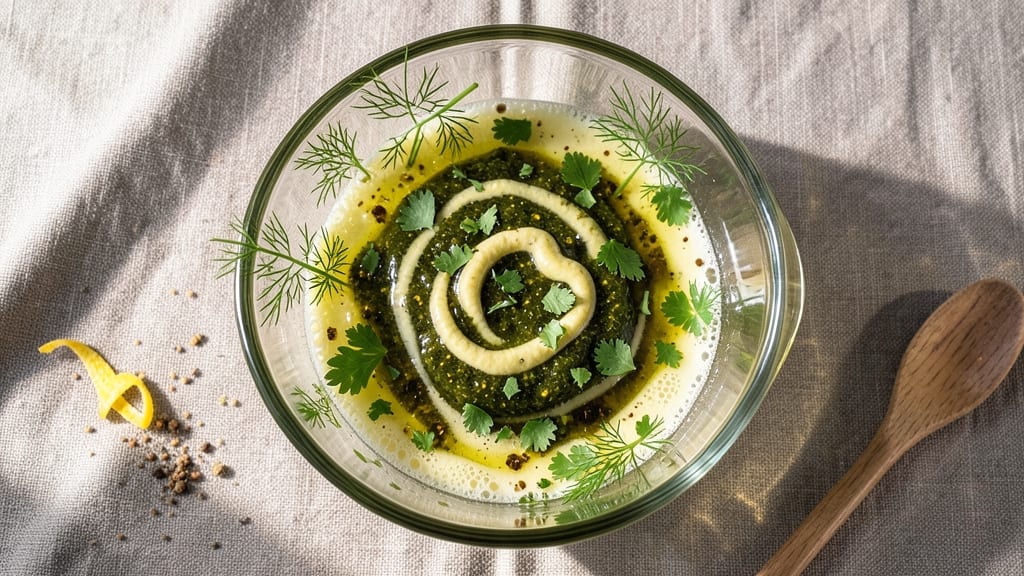
This classic oil and vinegar salad dressing recipe delivers the perfect balance of bright acidity and rich texture in just five minutes. The secret lies in the ratio—equal parts high-quality olive oil and white wine vinegar—combined with a pinch of salt and Dijon mustard to stabilize the emulsion.
I’ve perfected this over years of testing, and it’s become my go-to for everything from crisp green salads to hearty grain bowls.
The beauty of this dressing is its simplicity: no whisking required, no fancy ingredients. A foolproof method ensures the oil and vinegar stay perfectly blended, without separating or turning greasy. The Dijon mustard acts as a natural emulsifier, while fresh herbs like parsley or dill add a fresh finish.
It’s the kind of dressing that transforms simple ingredients into something restaurant-worthy.
What makes this recipe truly versatile is how it elevates any dish it touches. Drizzle it over arugula and cherry tomatoes for a bright caprese salad, toss it with roasted vegetables, or use it as a dip for crusty bread.
The flavor profile is clean, balanced, and adaptable—you can adjust the acidity or richness to suit your taste. Once you try it, you’ll never reach for store-bought again.
Store it in a sealed jar in the refrigerator for up to one week, shaking gently before each use. The flavors deepen over time, making it even more delicious as it sits. Ready to make the perfect dressing? Let’s get started.
Ingredients for classic oil and vinegar salad dressing
Five simple ingredients transform into the perfect dressing—bright, balanced, and restaurant-worthy.
| Ingredient | Amount | Notes |
|---|---|---|
| Extra-Virgin Olive Oil 🫒 | ½ cup | High quality, fruity, cold-pressed |
| White Wine Vinegar 🍷 | ½ cup | Dry variety preferred |
| Dijon Mustard 🥬 | 1 tbsp | Whole grain preferred |
| Sea Salt 🧂 | ½ tsp | Fine grain preferred |
| Fresh Parsley Leaves 🌿 | ¼ cup | Chopped finely, stems removed |
| Fresh Dill Leaves 🌿 | ¼ cup | Chopped finely, stems removed |
| Garlic Cloves 🧄 | 1 whole | Minced finely |
| Black Peppercorns 🌶️ | ¼ tsp | Freshly cracked |
The olive oil is non-negotiable here—look for extra-virgin with a fruity, peppery kick. Trader Joe's and Whole Foods carry excellent options, but any reputable brand with a harvest date works. White wine vinegar should be dry and crisp, not sweet—Bartles & Jaymes or Bragg are solid choices. Fresh herbs make all the difference, so grab the brightest parsley and dill you can find. If you're short on time, dried herbs work at half the amount, but fresh is worth the extra minute. The Dijon mustard? Whole grain is the secret to that perfect texture—it's what keeps the oil and vinegar from separating.
No white wine vinegar? Apple cider vinegar works in a pinch, though it adds a slightly sweeter note. Skip the Dijon? A dash of lemon juice adds brightness, though the emulsion won't hold as well. Fresh herbs wilt fast, so store them in a damp paper towel in the fridge until ready to use. The garlic can be omitted if you're sensitive to its flavor—just add an extra pinch of salt. For a smoky twist, swap half the parsley for fresh thyme. And if you're making this ahead, add the herbs just before serving to keep them vibrant.
This dressing keeps beautifully in a sealed jar in the fridge for up to 1 week, though the flavors actually deepen over time. Give it a gentle shake before each use—no need to whisk. For extra richness, store the jar in the fridge with the lid slightly loose for the first 24 hours. The herbs will stay fresh longer if you add them just before serving, but if you're prepping ahead, add them to the jar and store them together. The emulsion is stable, so no separation should occur if stored properly. Perfect for meal prep—make a big batch and use it all week.
Why You'll Love This Recipe
- I’ll be real: some nights, I’m too tired to think. This dressing is my lifeline—takes less time than waiting for the microwave to ding. Plus, the leftovers? They’re my backup plan for when I forget to buy dressing at the store. (It happens.)
- Four-Ingredient Magic: I swear by this combo—just oil, vinegar, mustard, and salt. No fancy gadgets, no measuring cups that make you question your life choices. Honestly, I’ve made it blindfolded (okay, maybe not, but it’s that simple).
- Bright Balance: That sharp white wine vinegar cuts through the richness of the olive oil like a summer breeze. The Dijon mustard adds a little tangy kick, and the parsley? It’s the fresh whisper that ties everything together—no heavy cream, no weird aftertaste, just clean, bright flavor.
- Pantry Staple Power: Between us, this dressing lives in my fridge for weeks. It’s the unsung hero of my meal prep—drizzled on greens, tossed with roasted veggies, or even stirred into pasta. And the best part? It’s cheaper than store-bought and actually tastes like something.
Step-by-step instructions for perfectly balanced oil and vinegar dressing
Here's how to blend fresh, vibrant flavors into a dressing that's classic yet always exciting.
Whisk Together the Base Ingredients
In a medium bowl, combine the 0.5 cup white wine vinegar and 1 tablespoon Dijon mustard. I like to use a whisk for this step because it creates tiny bubbles that help emulsify the dressing later. Stir until the mustard is completely dissolved—you should see a smooth, pale yellow mixture without any visible streaks.
This is where the foundation happens. The vinegar provides the bright acidity while the mustard adds depth and helps bind the oil later. Don't skip this step—properly blending these first ensures your dressing won't separate. If you're using a particularly strong vinegar, you might want to taste it now to adjust the balance before adding the oil.
Gradually Incorporate the Olive Oil
With the whisk still in the bowl, begin adding the 0.5 cup extra-virgin olive oil very slowly—about 1 tablespoon at a time. After each addition, whisk vigorously for 10-15 seconds until the mixture begins to thicken slightly. This gradual approach is crucial for creating a stable emulsion that won't separate in your salad.
You'll notice the mixture will look temporarily broken after each oil addition, but keep whisking. The moment it starts to look creamy and unified is when you know you're on the right track. If you add the oil too quickly, you'll end up with a dressing that separates almost immediately. Patience here makes all the difference.
Add Aromatics and Seasonings
Finely mince the 1 whole garlic clove and add it to the bowl along with the 0.25 cup fresh parsley leaves, 0.25 cup fresh dill leaves, 0.5 teaspoon sea salt, and 0.25 teaspoon freshly cracked black peppercorns. Whisk everything together until the herbs are evenly distributed and the garlic is completely incorporated.
The herbs should be finely chopped before adding to prevent clumping. I like to use the back of a spoon to press down on the herbs while whisking—this helps release their oils and flavors more effectively. The garlic might seem like too much at first, but trust me, it'll mellow out beautifully in the finished dressing. Taste at this stage and adjust the salt if needed.
Final Emulsification and Taste Adjustment
Give the dressing one final whisk for 30-45 seconds to ensure everything is fully combined. The texture should be smooth and slightly thick, like heavy cream. If it looks too thin, add another 1 teaspoon olive oil at a time until it reaches your preferred consistency. For a thicker dressing, add a tiny bit more mustard.
This is your moment to taste and make any final adjustments. The dressing should have a perfect balance of bright acidity from the vinegar, rich depth from the olive oil, and fresh herbal notes. If it's too sharp, add a pinch more salt or a tiny bit of olive oil. If it's too mild, add another splash of vinegar. Remember, you can always adjust the dressing once it's on your salad if needed.
Let It Rest Before Using
Transfer the dressing to a clean jar or airtight container and let it sit at room temperature for at least 15 minutes before using. This resting period allows all the flavors to meld together and the emulsion to fully stabilize. I usually make my dressing the night before so it has plenty of time to develop its full character.
The longer it sits, the more complex the flavors become. When you're ready to use it, give it one final stir before drizzling over your salad. This classic dressing keeps well in the refrigerator for up to 1 week, making it perfect for meal prep. The flavors actually improve over time as the herbs infuse more deeply into the oil and vinegar base.
Pro Tips For Making Classic Oil And Vinegar Salad Dressing
- STIR SLOWLY AT FIRST: The mustard and vinegar want to fight when you mix them—start with a whisk and just a few strokes to temper the reaction. Dump in the oil gradually while whisking steadily, or you’ll end up with a stubbornly separated batch that refuses to emulsify, no matter how hard you shake it later.
- USE COLD OIL: Chilled olive oil blends smoother and stays stable longer in the dressing. I keep the bottle in the fridge for 10 minutes before measuring—it’s a small effort that prevents that greasy split you get when warm oil and vinegar refuse to play nice.
- SALT THE MUSTARD: Taste the Dijon before adding salt to the whole batch. A well-seasoned mustard base means you won’t need to over-salt later, and the dressing won’t taste flat or one-dimensional. (Yes, even if the jar says “non-salted”—some brands lie.)
- PULSE THE PARSLEY: Rough-chop the parsley stems too, then give the whole thing a quick pulse in a mini food processor. You’ll get more flavor and color without the texture turning into mush—just 10 seconds, and your dressing will look and taste like it came from a fancy jar.
Flavor customization for this recipe
Herb Variations
Swap out parsley and dill for other fresh herbs to match your dish. For Mediterranean flavors, use 1 tbsp fresh oregano and 1 tbsp chopped basil—this pairs perfectly with roasted vegetables or grilled meats.
I love adding ½ cup chopped tarragon for a French-inspired touch, especially with asparagus or goat cheese salads. If you prefer a more robust flavor, try 1 tbsp fresh thyme and 1 tbsp chopped rosemary, which works beautifully with hearty grain bowls or roasted potatoes.
Spicy Kick
Add heat with ½ tsp red pepper flakes or 1 tsp hot sauce for a quick spicy version. For a smoky twist, stir in ½ tsp smoked paprika or a pinch of cayenne pepper.
I also like adding 1 minced jalapeño (seeds removed for mild heat) for a fresh, bright kick. If you love bold flavors, try 1 tsp harissa paste for a North African-inspired dressing that’s rich and complex.
Sweet-Tangy Balance
For a sweeter dressing, add 1 tsp honey or 1 tsp maple syrup to the vinegar before whisking. This works wonderfully with fruit salads or grilled chicken. For a tangy-sweet combo, mix in 1 tbsp apple cider vinegar and 1 tsp agave nectar—perfect for autumnal dishes.
I also love adding ½ tsp grated lemon zest for a bright, citrusy note that cuts through richness.
Rich and Creamy
For a thicker, creamier texture, replace 1 tbsp of the olive oil with 1 tbsp tahini or 1 tbsp Greek yogurt. This adds a nutty or tangy depth that’s perfect for Mediterranean salads.
If you want extra richness, stir in 1 tbsp crumbled feta cheese or 1 tbsp mascarpone—just add it after the dressing is fully emulsified to avoid curdling. For a dairy-free option, use 1 tbsp silken tofu puree instead.
Global Flavors
Transform this dressing into a global-inspired version with simple swaps. For a Mexican twist, add 1 tsp lime juice and ½ tsp ground cumin. For an Asian-inspired dressing, swap the white wine vinegar for rice vinegar and add 1 tsp sesame oil and 1 tsp soy sauce.
A Middle Eastern version shines with 1 tsp za’atar and 1 tsp pomegranate molasses. Each variation keeps the classic oil-and-vinegar foundation while adding exciting new layers of flavor.
Nutrition facts
Frequently asked questions
Why does my oil and vinegar dressing separate?
Separation happens when oil and vinegar aren't properly emulsified. The key is adding oil slowly while whisking constantly—about 1 tablespoon at a time. The Dijon mustard acts as a natural emulsifier, so don't skip it. If it separates after making, gently whisk or shake the jar before using. For extra stability, add 1 extra teaspoon of mustard next time.
Can I make this dressing without Dijon mustard?
Yes, but the texture may be less stable. Try 1 teaspoon of honey or maple syrup instead—it helps bind the oil and vinegar slightly. For a vegan option, use 1 teaspoon of lemon juice or ½ teaspoon of ground flaxseed mixed with 1 teaspoon water (let it thicken for 5 minutes first). The dressing will still separate more easily, so whisk well before serving.
How long does this dressing last in the fridge?
This classic dressing keeps perfectly for up to 1 week when stored in a sealed jar in the refrigerator. The flavors actually deepen over time! For best results, shake gently before each use. If you notice any mold or off smells, discard it. The herbs stay fresher if you add them just before serving, but they'll keep for the full week if stored in the dressing.
What's the best way to use this dressing beyond salads?
This versatile dressing works beautifully as a marinade for grilled chicken or fish, a dip for crusty bread or veggie sticks, and a finishing sauce for roasted vegetables. Try drizzling it over warm grains like quinoa or farro, or use it to deglaze pans after cooking meat. The bright acidity cuts through rich flavors, making it perfect for balancing hearty dishes.
Can I make this dressing with olive oil substitutes?
For a lighter version, use avocado oil or grapeseed oil in equal amounts. For extra richness, swap in walnut oil (use ¼ cup instead of ½ cup—it's stronger). Avoid heavy oils like coconut oil, as they won't blend smoothly with vinegar. Always add oil substitutes slowly while whisking to maintain the emulsion.