
Salads
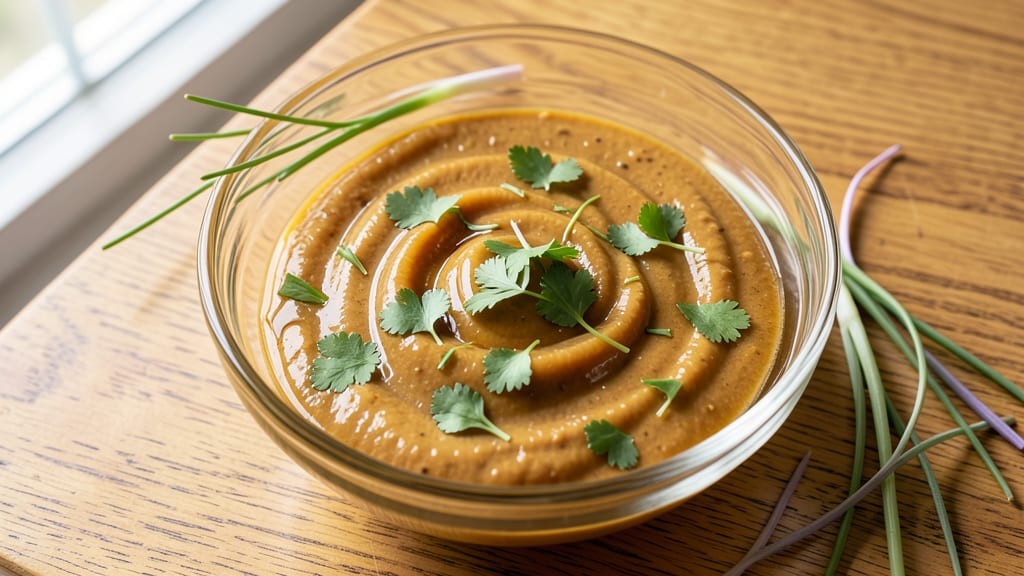
This canola oil salad dressing recipe delivers a perfectly balanced vinaigrette that stays light, fresh, and emulsified for days. The neutral oil base lets the bright acidity and herbs shine while creating a silky texture that clings beautifully to greens.
I developed this version after realizing most store-bought dressings either separate too quickly or taste overly sweet—this one solves both problems with a simple, foolproof method.
The secret lies in the ratio of oil to acid (vinegar or lemon juice) combined with a stabilizer like Dijon mustard or honey, which prevents separation and adds depth.
You'll use just five core ingredients—canola oil, vinegar, Dijon, honey, and fresh herbs—but the flavor profile feels sophisticated enough for any salad, from crisp arugula to hearty grain bowls.
The dressing keeps its vibrant color and tangy punch for up to a week in the fridge, making it ideal for meal prep.
What makes this dressing truly special is how it transforms ordinary salads into restaurant-quality meals with minimal effort. The canola oil provides a neutral canvas that highlights the acidity and herbs without overpowering them, while the honey or Dijon mustard ensures the mixture stays creamy and cohesive.
Whether you drizzle it over a simple green salad or use it as a marinade base, this dressing elevates every bite with its bright, balanced flavor.
For best results, whisk the ingredients together thoroughly and let the dressing sit for at least 15 minutes before using—this allows the flavors to meld and the emulsifiers to work their magic.
Store it in an airtight container in the refrigerator, and shake gently before each use to maintain its silky texture. This is the kind of dressing that turns a quick lunch into something truly memorable.
Ingredients for canola oil salad dressing
Five simple ingredients create a restaurant-quality dressing that stays fresh and emulsified for days.
| Ingredient | Amount | Notes |
|---|---|---|
| Canola Oil 🫒 | ¾ cup | Light, neutral flavor preferred |
| White Wine Vinegar 🍷 | ⅓ cup | Bright, dry vinegar works best |
| Dijon Mustard 🥫 | 1 tbsp | For emulsification and depth |
| Honey 🍯 | 1 tbsp | Mild clover honey preferred |
| Fresh Parsley Leaves 🌿 | ¼ cup | Finely chopped for freshness |
| Fresh Chives 🌱 | 2 tbsp | Finely chopped for mild onion flavor |
| Salt 🧂 | ½ tsp | Kosher or sea salt preferred |
| Black Pepper 🌶️ | ¼ tsp | Freshly ground for best flavor |
The canola oil is the foundation here—its neutral profile lets the acidity and herbs shine without overpowering. Look for cold-pressed, light canola oil at stores like Whole Foods or Trader Joe's for the best quality. White wine vinegar should be bright and dry; Bragg or Heinz are reliable brands. For the Dijon mustard, Maille is the gold standard, but any quality brand will work. Honey should be mild—clover or acacia varieties blend best without dominating the flavor. Fresh herbs are non-negotiable for that vibrant finish, but if you're out, dried herbs at one-third the amount will suffice in a pinch.
No white wine vinegar? Apple cider vinegar or lemon juice works just as well—lemon adds a citrusy brightness. Skip the honey? Maple syrup or agave nectar are excellent substitutes, though they add slight sweetness variations. For a tangier dressing, add an extra tablespoon of vinegar; for richer depth, increase the honey to 2 tablespoons. The herbs can be swapped—tarragon or basil work beautifully too. If you're making this for a crowd, double the batch and store in a sealed jar for up to 10 days in the fridge.
This dressing keeps its silky texture for up to 1 week when stored in an airtight container in the fridge. Shake gently before each use to re-emulsify. For meal prep, portion into small jars or bottles—perfect for lunches or quick salads. If the oil separates after a few days, simply whisk vigorously to recombine. The flavor actually improves after 24 hours as the ingredients meld, so making it a day ahead is ideal.
Why You'll Love This Recipe
- Five-Ingredient Magic: I swear by this—just shake, taste, adjust. No fancy techniques, no waiting for emulsifiers to work. That Dijon mustard does the heavy lifting while I chop greens or toss a salad in the same bowl.
- Bright & Balanced: The white wine vinegar cuts through the honey’s sweetness, and the parsley adds a fresh finish. Honestly? It’s the kind of dressing that makes a simple salad feel like a restaurant meal—without the fuss.
- Meal Prep MVP: Make a jar ahead and store it in the fridge for up to a week. Drizzle it on grain bowls, roasted veggies, or even grilled chicken. Between us, this is my go-to for lazy Sundays and hectic weeknights.
- Budget Brightener: Canola oil is cheap, vinegar lasts forever, and a little honey goes a long way. I’ve used this to elevate store-bought salads, takeout leftovers, or even as a marinade. Practical? Absolutely. Delicious? Ridiculously so.
Step-by-step instructions for light and lively vinaigrette base
This simple method delivers a perfectly balanced dressing every time—smooth, tangy, and fresh.
Whisk Vinegar, Mustard, and Honey
In a medium bowl, combine the 0.33 cup white wine vinegar, 1 tablespoon Dijon mustard, and 1 tablespoon honey. Whisk vigorously for 30 seconds until the honey dissolves completely and the mixture becomes smooth. The mustard acts as an emulsifier, helping the oil blend seamlessly later.
Taste the mixture now—it should be pleasantly sharp with a touch of sweetness. If it needs more acidity, add ½ teaspoon more vinegar; if it needs more depth, add ½ teaspoon more honey. This is your flavor foundation, so balance it carefully.
Add Fresh Herbs and Seasonings
Finely chop the 0.25 cup fresh parsley leaves and 2 tablespoons fresh chives (you should end with about ¼ cup total chopped herbs). Add them to the vinegar mixture along with the 0.5 teaspoon salt and 0.25 teaspoon black pepper. Stir well to distribute the herbs evenly.
The herbs should be finely minced so they disperse completely when you add the oil. If you prefer a chunkier texture, leave them slightly larger but still small enough to blend into the dressing. The salt and pepper should dissolve fully—this ensures even seasoning throughout.
Gradually Incorporate the Canola Oil
With the whisk in one hand, slowly drizzle in the 0.75 cup canola oil while whisking continuously. Start with a thin stream and gradually increase the flow as the mixture begins to emulsify. This slow addition prevents the dressing from separating.
Whisk for 1-2 minutes until the dressing thickens slightly and becomes glossy. The oil should fully incorporate, leaving no visible separation. If the dressing looks too thick, add 1 teaspoon water and whisk again. For extra richness, you can add 1 more teaspoon honey at this stage.
Taste and Adjust for Perfection
Taste the dressing immediately—it should balance tangy, sweet, and herby flavors with a smooth, velvety texture. If it needs more acidity, add ½ teaspoon vinegar; if it needs more sweetness, add ½ teaspoon honey. For saltiness, add ¼ teaspoon more salt; for pepper, add ⅛ teaspoon more black pepper.
Let the dressing sit for 5 minutes before using. This allows the flavors to meld fully. If any oil separates after resting, whisk vigorously for 10 seconds to re-emulsify. This dressing keeps well in the refrigerator for up to 1 week, but it’s best used fresh for maximum brightness.
Pro Tips For Making Canola Oil Salad Dressing
- STIR IN STAGES: Whisk the mustard and honey into the vinegar first—this emulsifies them better than dumping everything in at once. I used to rush this and end up with a dressing that split after 10 minutes, no matter how hard I shook it later.
- CHOP PARSLEY COARSELY: Tiny parsley bits turn into parsley dust in seconds, making your dressing look like it’s from a jar. Rough chop the stems too—they’re packed with flavor and won’t overpower the dish.
- USE COLD CANOLA OIL: Room-temperature oil makes the dressing too thin too fast. Keep the bottle in the fridge until the last step, then measure and add it cold—this gives you a dressing that stays creamy longer and won’t separate when tossed with warm greens.
- SALT THE VINEGAR: Taste the vinegar before mixing—it’s usually unsalted, and the dressing will taste flat if you skip this. A pinch (about ¼ teaspoon) makes the acid pop and balances the sweetness of the honey. I learned this after making a batch that tasted dull, even with all the other ingredients right.
Wine and beer pairings for this dish
Crisp Whites
This light vinaigrette pairs beautifully with crisp, dry white wines that complement its bright acidity and herbal notes. A Sauvignon Blanc from New Zealand—like Oyster Bay—is my go-to choice.
Its zesty citrus and grassy undertones mirror the parsley and chives in the dressing, creating a harmonious balance. Serve chilled to enhance the salad’s freshness. 🍷
Light Reds
For a red wine pairing, opt for a Pinot Noir with delicate fruit flavors and minimal tannins. I recommend a Willamette Valley Pinot from Oregon, such as Domaine Serene, which won’t overpower the dressing’s tangy profile.
The wine’s bright cherry notes play well with the honey’s subtle sweetness, while its acidity cuts through the richness of canola oil.
Crisp Beers
If you prefer beer, a Belgian witbier like Hoegaarden or Stella Artois works wonderfully. The coriander and citrus notes in these beers echo the dressing’s herbal freshness, while their effervescence cleanses the palate between bites.
For a darker option, try a German Helles Lager—its malty sweetness balances the dressing’s acidity beautifully. 🍺
Sparkling Options
Sparkling wine or prosecco adds a celebratory touch to any salad featuring this dressing. A Prosecco DOC from Italy, like La Marca, brings a refreshing acidity that enhances the dressing’s brightness.
The bubbles also create a delightful contrast with the creamy texture, making every bite feel like a special occasion. Serve well-chilled for the best experience.
Non-Alcoholic Pairings
Don’t drink alcohol? No problem! A sparkling apple cider like Martinelli’s or a ginger beer such as Feather’s offers a fizzy, refreshing alternative. The ginger beer’s spicy kick complements the dressing’s herby notes, while the apple cider’s tartness mirrors the vinegar’s acidity. Both are perfect for a light, refreshing meal.
Nutrition facts
Frequently asked questions
Why use canola oil instead of olive oil in this dressing?
The neutral flavor of canola oil lets the bright vinegar, fresh herbs, and honey shine without competing. Unlike bold olive oil, it won't overpower the delicate balance of acidity and sweetness—ideal for light salads. For extra richness, you could blend half canola oil and half light olive oil.
How do I fix dressing that separates after sitting?
Simply whisk vigorously for 10-15 seconds to re-emulsify. If it keeps separating, add ½ teaspoon Dijon mustard or 1 teaspoon honey and whisk again. For future batches, ensure you whisk continuously when adding oil.
Can I make this dressing without honey?
Yes! Replace the honey with 1 tablespoon maple syrup or 1 teaspoon agave nectar for a similar sweetness. For a completely sugar-free version, omit it entirely—just add ½ teaspoon extra vinegar to maintain balance. The dressing will be more tart but still delicious.
What's the best way to store this dressing?
Transfer to an airtight container and refrigerate for up to 1 week. Shake gently before each use to re-emulsify. For long-term storage, freeze in ice cube trays—thaw overnight in the fridge. The flavor actually improves after 24 hours as ingredients meld.
How much dressing should I make for a salad?
Start with 2-3 tablespoons per serving (a standard salad bowl). This recipe yields about 1.5 cups, perfect for 4-6 servings. For heartier salads with grains or proteins, increase to 4-6 tablespoons per serving. Taste as you go—you can always add more!