
Salads
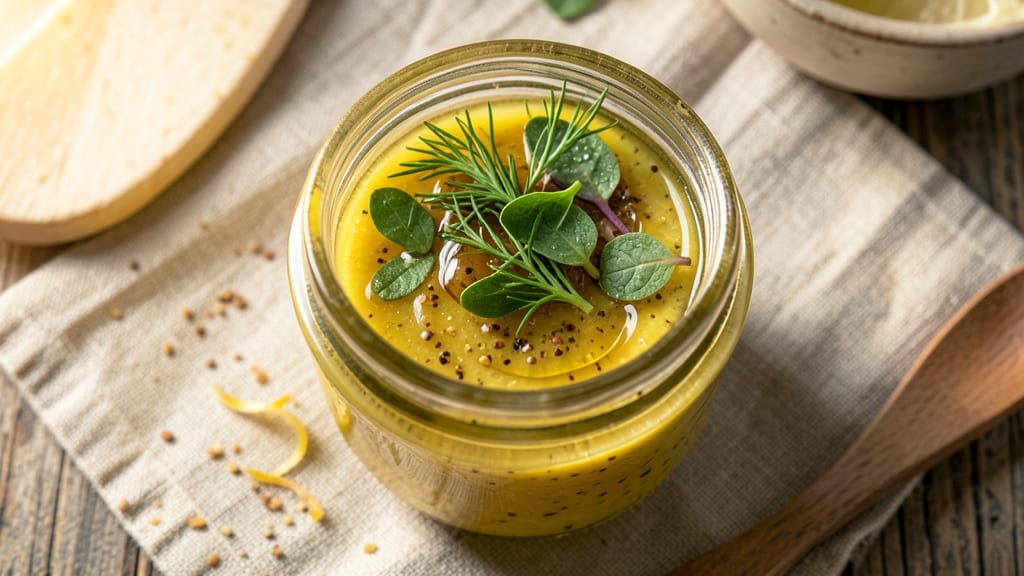
This vegan Greek salad dressing transforms simple pantry ingredients into a bright, tangy sauce that rivals traditional versions—without any dairy or honey. The secret lies in balancing lemon juice and apple cider vinegar for that signature tang, while Dijon mustard acts as a natural emulsifier to keep everything silky smooth.
After testing countless variations, I’ve perfected a ratio that delivers bold Mediterranean flavors with just five ingredients and five minutes of prep time.
The dressing’s herbaceous depth comes from fresh oregano and dill, which infuse the olive oil with their signature brightness when steeped for just 10 minutes. Unlike store-bought versions, this recipe avoids thickeners like cornstarch, relying instead on the natural emulsifying power of mustard and a quick whisk.
The result is a dressing that clings beautifully to greens while enhancing their natural flavors rather than overpowering them.
What makes this recipe particularly useful is its versatility—it elevates not just Greek salads but also roasted vegetables, grilled meats, and even wraps. The dressing stays fresh in the refrigerator for up to 10 days, making it ideal for meal prep.
Plus, the ingredients are budget-friendly and shelf-stable, so you can always have a jar ready for spontaneous salads.
For an extra layer of flavor, consider adding a pinch of garlic powder or a dash of red pepper flakes, though the base recipe is already packed with Mediterranean charm. The instructions are straightforward, ensuring you’ll have this dressing ready in minutes without any specialized equipment.
Ingredients for vegan greek salad dressing
Five Mediterranean ingredients create a vibrant, tangy dressing that rivals traditional versions.
| Ingredient | Amount | Notes |
|---|---|---|
| Extra-Virgin Olive Oil 🫒 | ½ cup | High-quality, fruity variety preferred |
| Fresh Lemon Juice 🍋 | ¼ cup | Freshly squeezed, strained |
| Apple Cider Vinegar 💧 | ¼ cup | Raw, unfiltered preferred |
| Dijon Mustard 🥬 | 1 tbsp | High-quality, smooth variety |
| Fresh Dill Leaves 🌿 | ¼ cup | Finely chopped, stems removed |
| Fresh Oregano Leaves 🌿 | 1 tbsp | Finely chopped, stems removed |
| Garlic Powder 🧄 | ½ tsp | Freshly ground preferred |
| Sea Salt 🧂 | ½ tsp | Fine grain preferred |
| Black Pepper 🌶️ | ¼ tsp | Freshly ground preferred |
| Maple Syrup 🍯 | 1 tbsp | Pure, grade B preferred |
The olive oil is the foundation—look for extra-virgin with a harvest date within the last year for maximum freshness. Trader Joe's and Whole Foods carry excellent options, but any reputable brand with a fruity aroma works. Fresh herbs are non-negotiable for authentic flavor; dill and oregano from the grocery store's produce section should be bright green with no wilting. The Dijon mustard should be smooth, not grainy—Maille or Whole Foods 365 are reliable choices. For the vinegar, raw, unfiltered apple cider vinegar adds subtle complexity that regular vinegar lacks.
No fresh dill? Substitute with 1 tablespoon dried dill, but it won't have the same brightness. Short on oregano? Italian seasoning at half the amount works in a pinch. Running low on maple syrup? Agave nectar or date syrup maintains the vegan profile while adding caramel notes. The garlic powder can be replaced with 1/4 teaspoon minced garlic if you have it, though it requires steeping. For a smokier profile, add a pinch of smoked paprika—just be mindful of the heat level.
Store the dressing in an airtight glass jar in the refrigerator for up to 10 days. The flavors deepen overnight, so making it a day ahead is ideal. For longer storage, transfer to a sterile jar and freeze for up to 3 months. Shake well before each use, as the herbs will settle. This dressing clings beautifully to greens, roasted vegetables, and grilled proteins—double the recipe if you'll use it frequently, as it's far more economical than store-bought versions.
Why You'll Love This Recipe
- Five-Ingredient Magic: I swear by this combo—just oil, lemon, vinegar, mustard, and dill. No measuring cups, no fancy tools, just a jar and a whisk. It’s the kind of recipe that makes me feel like I’ve actually cooked something when I haven’t done a thing but stir.
- Bright Tang Alert: That lemon juice cuts through everything like a knife, while the apple cider vinegar adds this just-right bite. The Dijon mustard? It’s the secret—thickens it up and gives it this deep, savory punch that makes it way more interesting than store-bought.
- Works Anywhere: Drizzle it on falafel, toss it with roasted veggies, or pour it over a grain bowl. Honestly, I’ve even used it as a marinade for tofu—it’s that versatile. And yes, even on a Tuesday night when you’re too tired to think.
- Lasts All Week: Make a big batch and store it in the fridge for up to 10 days. It doesn’t separate, it doesn’t go bad, and it’s always ready when you need a quick flavor boost. My lazy Sundays just got a whole lot easier.
Step-by-step instructions for herb-infused vegan Greek dressing
This method delivers a bright, herbaceous dressing that captures all the Mediterranean essence without dairy.
Whisk Together the Wet Ingredients
In a medium bowl, combine the 0.5 cup extra-virgin olive oil with the 0.25 cup fresh lemon juice and 0.25 cup apple cider vinegar. Use a whisk to blend vigorously for 30 seconds until the mixture appears emulsified. The oil should break into tiny droplets that suspend evenly in the liquid—this creates the base for your dressing's silky texture.
I always use a high-quality olive oil here because the fruity notes complement the bright acidity. If you notice the mixture separating immediately, don't worry—we'll fix that in the next step. The lemon juice should be freshly squeezed and strained to avoid any pulp that could make the dressing gritty.
Incorporate the Mustard and Sweetener
Add the 1 tablespoon Dijon mustard and 1 tablespoon maple syrup to the bowl. Whisk continuously for another 30 seconds until fully combined. The mustard acts as an emulsifier, helping to bind the oil and vinegar mixture, while the maple syrup adds subtle sweetness that balances the acidity.
Here's where the magic happens: The mustard begins to thicken the dressing slightly, creating that perfect consistency for drizzling. If you're using a particularly smooth mustard, you might need to whisk a bit longer to achieve the right texture. The dressing should now have a slightly thicker, more cohesive appearance.
Fold in the Fresh Herbs and Seasonings
Gently fold in the 0.25 cup finely chopped fresh dill leaves and 1 tablespoon finely chopped fresh oregano leaves using a rubber spatula. The herbs should be distributed evenly throughout the dressing. Next, add the 0.5 teaspoon garlic powder, 0.5 teaspoon sea salt, and 0.25 teaspoon black pepper, whisking lightly to incorporate.
The fresh herbs should infuse the dressing with vibrant flavor immediately. If you're using dried herbs instead, reduce the amount to about 1 teaspoon each—fresh herbs have a much more potent flavor. At this stage, the dressing should have a rich green hue from the dill and a slightly earthy aroma from the oregano. Taste and adjust the seasoning if needed, adding more salt or pepper as necessary.
Rest and Emulsify
Let the dressing sit at room temperature for 10-15 minutes. This resting period allows the flavors to meld and the emulsification process to complete. During this time, give the dressing a quick stir every 3-4 minutes to ensure all ingredients are fully integrated.
After resting, the dressing should have a smooth, velvety consistency with no visible separation. If you notice any oil separation, simply whisk vigorously for another 30 seconds—this is normal and easily fixed. The dressing is now ready to use immediately or can be stored in an airtight container in the refrigerator for up to 1 week. The flavors will continue to develop and deepen over time.
Pro Tips For Making Vegan Greek Salad Dressing
- Whisk in Stages: Mix the Dijon mustard and vinegar first—this prevents lumps when you add the oil later. I used to dump everything in at once and ended up with a grainy, uneven mess.
- Use Cold Mustard: Scoop the Dijon straight from the fridge—it emulsifies better and won’t turn the dressing into a greasy blob. Warm mustard makes the oil separate faster, and nobody wants a salad with floating oil islands.
- Strain the Dill: Chop the fresh dill finely, then press it through a sieve to remove tough stems. I learned this after biting into a leaf mid-bite—now the dressing stays smooth and herb-forward, no matter how impatient I am.
- Balance the Oil: Start with 3 parts oil to 1 part acid (lemon + vinegar), then taste. If it’s too sharp, add a splash more oil; if it’s flat, squeeze in another lemon wedge. The ratio changes with every batch—trust your tongue, not the recipe.
Wine and beer pairings for this vegan greek salad dressing
Crisp White Wine
For this vibrant dressing, I always reach for a dry Greek Assyrtiko—its crisp acidity and citrus notes mirror the lemon in the dressing perfectly. A 2022 Santorini Assyrtiko from Gaia Wines is my go-to, but any Greek white with high acidity works beautifully.
The mineral finish cuts through the richness of the olive oil, cleansing your palate with each bite. 🍷
Light Lager Pairing
A crisp pilsner like Heineken or Peroni balances the dressing's tangy brightness without overpowering it. The subtle malt sweetness complements the maple syrup in the dressing, while the effervescence refreshes your mouth.
For a local option, Corona Extra with its citrusy lime twist adds a fun contrast. Serve chilled to enhance the overall experience.
Herbal Beer Match
If you prefer beer, try a light wheat beer with herbal notes like Blue Moon Belgian White. The coriander and orange peel flavors in the beer echo the fresh dill and oregano in the dressing, creating a harmonious pairing.
Another great choice is Hoegaarden, which adds a subtle spice that pairs wonderfully with the garlic powder in the dressing. 🍺
Sparkling Wine Option
For a special occasion, Prosecco or Cava adds a festive touch while maintaining the bright, citrusy profile of the dressing. The bubbles enhance the freshness of the herbs, making it feel like a summer celebration in every bite.
Look for a dry or brut style to avoid sweetness that could clash with the dressing's tang.
Red Wine Alternative
If you prefer red, a light-bodied Greek Agiorgitiko from Nemea offers enough acidity to stand up to the dressing. Its red fruit notes complement the maple syrup beautifully.
Avoid heavy reds like Cabernet Sauvignon—they'll overpower the delicate herbaceous flavors. A Pinot Noir from Oregon also works well with its bright acidity and red fruit undertones.
Nutrition facts
Frequently asked questions
Can I make this dressing without fresh herbs?
Yes, but the flavor will be less vibrant. Use 1 teaspoon dried dill and ½ teaspoon dried oregano instead of fresh, as dried herbs are more concentrated. For best results, steep the dried herbs in the olive oil for 10 minutes before adding other ingredients to extract maximum flavor.
Why does my dressing separate after making it?
Separation is normal—it means the emulsifiers (mustard and lemon) need more time. Simply whisk vigorously for 30 seconds to re-emulsify. For a more stable dressing, blend all ingredients in a blender for 10 seconds instead of whisking. Store in an airtight container and shake before each use.
How can I adjust the flavor if it's too tangy or too sweet?
For extra tang, add 1 teaspoon more apple cider vinegar. If it's too sweet, reduce the maple syrup by ½ teaspoon and add ¼ teaspoon lemon juice to balance. Taste as you go—small adjustments make all the difference! Adjustments should be made gradually to avoid overpowering the dressing.
Can I use this dressing on non-salad dishes?
This versatile dressing works beautifully on roasted vegetables, grilled chicken or tofu, wraps, and even as a marinade. For grilled meats, reduce the lemon juice slightly to prevent over-acidic flavors. The herbs and olive oil base make it a great all-purpose sauce.
What's the best way to store leftover dressing?
Transfer to an airtight glass jar and refrigerate for up to 10 days. The flavors deepen over time, so it's even better the next day. For longer storage, freeze in ice cube trays—thaw overnight in the fridge before using. Always shake well before serving to redistribute the herbs.