
Salads
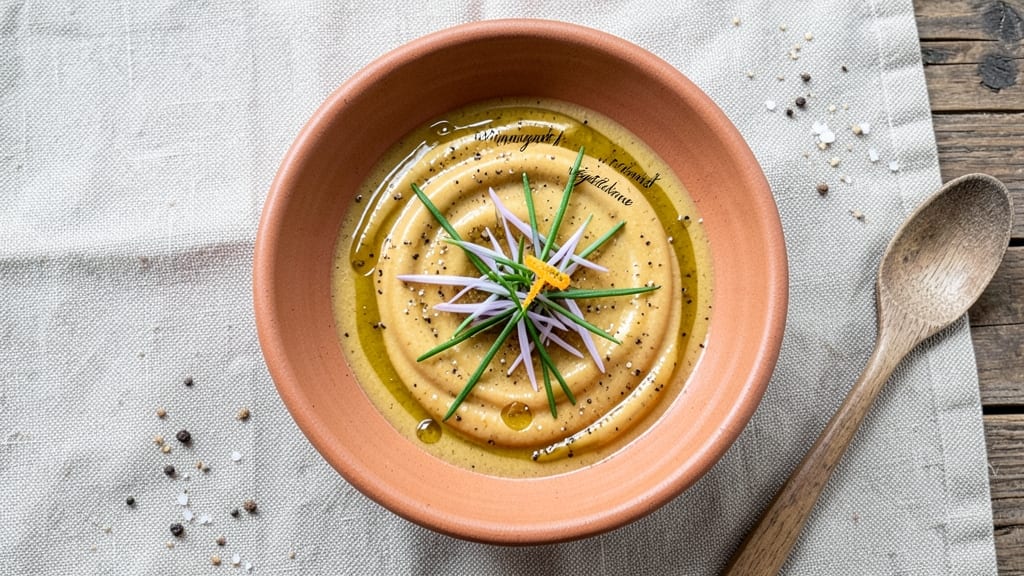
This vegan French salad dressing transforms simple ingredients into a herb-infused, tangy masterpiece that rivals classic vinaigrettes without a drop of dairy. The secret lies in balancing Dijon mustard, white wine vinegar, and a blend of fresh herbs that create a silky emulsion—no eggs or cream required.
I developed this recipe after years of testing plant-based alternatives, and it finally delivers that signature French brightness with depth.
The magic happens with a two-stage emulsification technique that ensures the dressing stays creamy and clings to greens. Olive oil provides richness, while Dijon mustard acts as the natural emulsifier, creating a velvety texture that coats every leaf.
Fresh tarragon and chives add that quintessential French herbaceousness, while a touch of garlic powder deepens the flavor profile without overpowering.
What you’ll end up with is a bright, herbaceous dressing that elevates any salad—from classic mixed greens to hearty grain bowls. The balance of acidity, fat, and herbs makes it versatile enough for both delicate arugula and robust winter salads.
Best of all, it keeps for up to a week in the fridge, so you can make a batch and enjoy it all week.
Perfect for meal prep or last-minute salads, this dressing proves vegan doesn’t mean sacrificing flavor. The technique is simple, but the results are restaurant-quality—creamy, tangy, and impossibly fresh. Let’s get started!
Ingredients for vegan french salad dressing
Nine carefully chosen ingredients create a velvety vegan French dressing with restaurant-quality depth.
| Ingredient | Amount | Notes |
|---|---|---|
| Extra-Virgin Olive Oil 🫒 | ¾ cup | Cold-pressed, fruity variety preferred |
| Dijon Mustard 🌶️ | 2 tbsp | High-quality, smooth texture |
| White Wine Vinegar 🍷 | ¼ cup | Dry, crisp variety recommended |
| Fresh Tarragon Leaves 🌿 | ¼ cup | Finely chopped, stems removed |
| Fresh Chives 🌿 | ¼ cup | Finely chopped, including green parts |
| Garlic Powder 🧄 | ½ tsp | Freshly ground preferred |
| Sea Salt 🧂 | ½ tsp | Fine grain, Diamond Crystal preferred |
| Black Pepper 🌶️ | ¼ tsp | Freshly ground for best flavor |
| Fresh Lemon Juice 🍋 | 1 tbsp | Freshly squeezed, no pulp |
| Maple Syrup 🍁 | 1 tsp | Pure, grade B preferred |
The quality of your olive oil and vinegar makes all the difference. Look for extra-virgin olive oil with a fruity aroma—California or Italian varieties work exceptionally well. White wine vinegar should be dry and crisp; avoid sweet or flavored varieties that can overpower the delicate herb profile. Fresh tarragon is non-negotiable for authentic French flavor—garden centers or specialty markets often carry it, though it's pricier than common herbs. If unavailable, fennel fronds or basil can substitute at half the amount. The Dijon mustard should be smooth, not grainy—Maille or Amora brands are industry standards. For the garlic powder, toast it lightly in a dry pan before grinding to deepen its flavor, though pre-ground will suffice in a pinch.
No fresh tarragon? Substitute with anise hyssop or basil, though the flavor will differ slightly. Short on chives? Green onion tops work beautifully. The maple syrup can be swapped for agave nectar or date syrup if preferred, though maple adds a subtle caramel note that complements the herbs. For a more robust flavor, add 0.5 tsp of onion powder to the blend. If you're concerned about the dressing separating, xanthan gum at a pinch can help stabilize it—though the two-stage emulsification technique should prevent this entirely. The lemon juice must be freshly squeezed; bottled versions often contain preservatives that alter the texture.
This dressing maintains peak freshness for up to 7 days when stored in a sealed glass jar in the refrigerator. For best results, shake vigorously before each use, as separation is normal. To extend shelf life, pour a thin layer of olive oil over the top before sealing, creating a protective barrier. Freezing isn't recommended due to texture changes, but you can make individual portions in ice cube trays for convenient single-use servings. The dressing works beautifully on arugula, mixed greens, grain bowls, and even roasted vegetables. For an extra touch of elegance, strain through a fine-mesh sieve before serving to achieve a silky consistency.
Why You'll Love This Recipe
- No Whisk Needed: I just stir it in a jar—no fancy tools, no mess. The Dijon and white wine vinegar blend so smoothly with the olive oil that you’ll wonder why you ever bothered with emulsifiers.
- Tarragon Magic: That bright, anise-like tarragon punch cuts through rich greens or grilled veggies like a breath of fresh air. Honestly, one sniff of the fresh leaves and I’m already licking the spoon.
- Dresses Everything: Drizzle it over roasted potatoes, toss it with chickpea salad, or pour it on avocado toast—it’s my go-to for anything that needs a little French flair without the fuss.
- Jarred Perfection: Make a big batch and store it in the fridge for weeks. The flavors deepen over time, and you’ll always have a fancy dressing on hand for when you’re too tired to improvise. (Yes, even on a Tuesday night.)
Step-by-step instructions for herb-infused vegan French dressing
This dressing delivers restaurant-quality depth with a perfectly balanced blend of herbs, acidity, and richness.
Whisk Together the Wet Ingredients
In a medium bowl, combine the 0.75 cup extra-virgin olive oil with the 2 tablespoons Dijon mustard. Use a whisk to blend them thoroughly until the mixture becomes emulsified and smooth. The mustard will help bind the oil with the vinegar later, creating that signature French texture.
Add the 0.25 cup white wine vinegar, 1 tablespoon fresh lemon juice, and 1 teaspoon maple syrup. Whisk continuously for 30 seconds until fully incorporated. The vinegar provides the necessary acidity to cut through the richness of the oil, while the lemon juice brightens the flavor profile and the maple syrup adds subtle sweetness that balances the tang.
Incorporate the Seasonings
Add the 0.5 teaspoon garlic powder, 0.5 teaspoon sea salt, and 0.25 teaspoon black pepper to the bowl. Whisk these dry ingredients into the wet mixture until fully dissolved and evenly distributed. The garlic powder adds depth without overpowering, while the salt and pepper enhance all the other flavors.
Taste the mixture at this stage. It should be tangy, slightly sweet, and seasoned but not overwhelming. If you find it needs more balance, you can adjust by adding a pinch more salt or a splash of vinegar, but the recipe is designed to be perfectly proportioned from the start.
Fold in the Fresh Herbs
Gently fold in the 0.25 cup finely chopped fresh tarragon leaves and 0.25 cup finely chopped fresh chives using a spatula. The herbs should be distributed evenly throughout the dressing. The tarragon brings an anise-like note that's classic in French dressings, while the chives add a delicate oniony freshness that brightens the overall profile.
Let the dressing sit at room temperature for 10 minutes before using. This brief resting period allows the flavors to meld together, ensuring a cohesive taste in every drizzle. The herbs will also release their full aroma, making the dressing more vibrant and fragrant.
Adjust Consistency and Serve
Before using, give the dressing one final taste and adjust the seasoning if needed. If it's too thick, thin it with 1-2 teaspoons of water or additional vinegar. If it's too thin, whisk in 1 teaspoon more olive oil to achieve the perfect pourable consistency.
This dressing is best used immediately on fresh salads, particularly those with bitter greens like arugula or endive, or paired with roasted vegetables and grilled meats. Its herbaceous notes and balanced tang make it versatile enough for both classic French salads and modern vegan dishes.
Pro Tips For Making Vegan French Salad Dressing
- WHISK THE MUSTARD FIRST: I learned this the hard way—dumping Dijon into olive oil straight away makes a stubborn lump that refuses to emulsify. Instead, whisk the mustard with a splash of vinegar and a pinch of salt before adding oil. This breaks it down into a smooth paste that blends like a dream.
- USE COLD OIL, WARM VINEGAR: Chilled olive oil (yes, refrigerate it for 10 minutes) and slightly warmed vinegar (just warm to touch) mix faster and stay stable longer. Cold oil thickens the dressing, while warm vinegar helps the herbs release their flavor without curdling.
- CHOP HERBS FINE, THEN STRAIN: Roughly chop tarragon and chives, but don’t skip the straining step after mixing. The dressing will look prettier, and you’ll avoid chewing on fibrous bits later. Press the herbs through a fine-mesh sieve for a silky texture—no one notices the effort.
- SALT THE MUSTARD, NOT THE DRESSING: Salting the Dijon before emulsifying cuts through its sharpness and helps the dressing cling to greens. Skip salting the final mix—it’ll taste flat, like you forgot the most important seasoning. A pinch in the mustard stage is all you need.
Best sauces and condiments for this recipe
Classic French Vinaigrette
This dressing is a direct nod to traditional French vinaigrette but made entirely plant-based. The key is using Dijon mustard as the emulsifier instead of eggs—it creates that signature creamy texture while keeping it vegan.
I recommend using Maille Dijon for its smooth, rich flavor. For an extra touch, strain the dressing through a fine-mesh sieve before serving to achieve that silky, restaurant-quality finish. 🍴
Herb-Infused Olive Oil Base
The foundation of this dressing is a blend of extra-virgin olive oil and white wine vinegar, but the real magic happens with the herbs. Fresh tarragon and chives are essential for that classic French flavor profile.
If you can't find tarragon, anise hyssop or basil work in a pinch, though the flavor will differ slightly. For a deeper herbaceous note, lightly toast the chives in a dry pan before chopping—they'll release more aroma. 🌿
Sweet-Tangy Balance
The maple syrup and lemon juice create a subtle sweetness that rounds out the tangy vinegar, making the dressing more complex. I prefer grade B maple syrup for its richer flavor, but agave nectar is a great substitute.
Taste as you go—if the dressing tastes too sharp, add a pinch more maple syrup; if it's too flat, a splash of lemon juice brightens it up. This balance is what makes the dressing work on everything from arugula to hearty grain bowls. 🍋
Emulsification Secrets
To avoid separation, use the two-stage emulsification technique: first whisk the oil and mustard together, then gradually add the vinegar while whisking vigorously. If the dressing still separates, a tiny pinch of xanthan gum (about ¼ teaspoon) can help stabilize it.
For a smoother texture, blend the dressing briefly in a mini food processor after all ingredients are combined. This trick ensures a velvety finish every time. ⚡
Storage and Shelf Life
Store your dressing in an airtight glass jar in the refrigerator for up to 7 days. Before each use, shake it well—separation is normal, but the dressing will re-emulsify when shaken. To extend freshness, pour a thin layer of olive oil over the top before sealing.
For single servings, freeze the dressing in ice cube trays and transfer to a freezer bag. Thaw in the fridge overnight for best results. ❄️
Nutrition facts
Frequently asked questions
Can I substitute apple cider vinegar for white wine vinegar?
Yes! Apple cider vinegar works beautifully and adds a subtle sweetness that complements the herbs. Use the same 0.25 cup measurement, but taste first—it's slightly milder than white wine vinegar, so you might want to add an extra ½ teaspoon of maple syrup to balance the flavor.
Why did my dressing separate? How can I fix it?
Separation happens when oil and vinegar aren't properly emulsified. To fix it, whisk vigorously for 1-2 minutes or blend with an immersion blender. For prevention, always whisk the oil and mustard first, then gradually add vinegar. A tiny pinch (¼ teaspoon) of xanthan gum can also help stabilize future batches.
What's the best way to store leftover dressing?
Store in an airtight glass jar in the fridge for up to 7 days. Before using, shake well—separation is normal. For longer storage, freeze in ice cube trays, then transfer to a bag. Thaw overnight in the fridge. Always keep a thin layer of olive oil on top to preserve freshness.
Can I make this dressing without fresh herbs?
Use 1 teaspoon dried tarragon and 1 teaspoon dried chives instead of fresh. Toast the dried herbs in a dry pan for 30 seconds to intensify their flavor. The texture will be slightly less vibrant, but the taste remains excellent. For extra freshness, add ½ teaspoon lemon zest to compensate.
Is this dressing safe for people with nut allergies?
Yes, this recipe is completely nut-free! All ingredients are naturally free of nuts and common allergens. Always double-check your olive oil label if you have severe allergies, as some brands process oils in facilities that handle nuts. For extra safety, choose a certified allergen-free brand.