
Salads
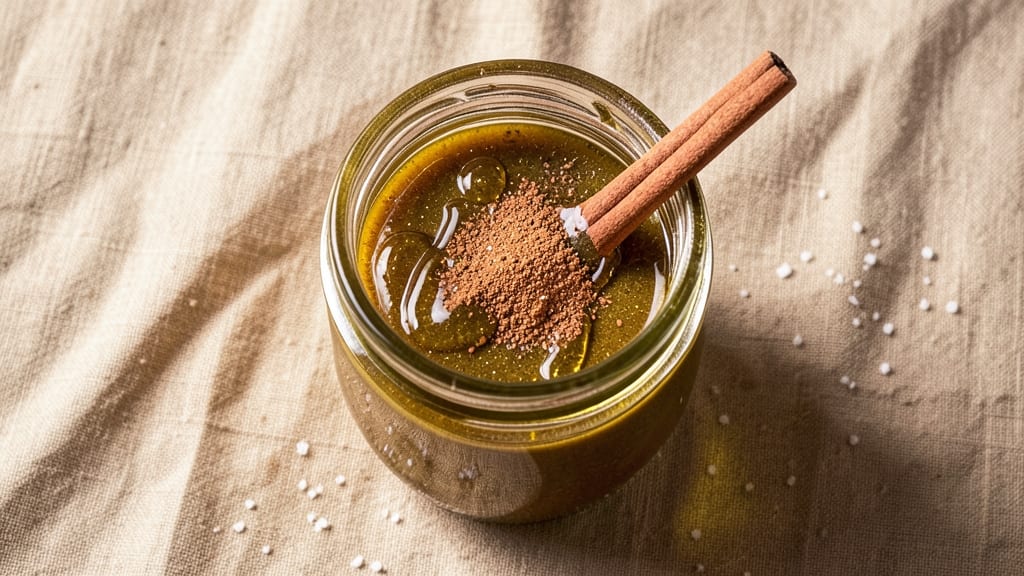
This cinnamon salad dressing recipe transforms ordinary greens into a warm, spiced masterpiece that balances sweetness with tangy brightness—perfect for autumn harvests or cozy winter meals.
The secret lies in a harmonious blend of apple cider vinegar and honey, gently spiced with cinnamon and a touch of mustard for depth, creating a dressing that enhances rather than overpowers any salad.
Unlike heavy creamy dressings, this version uses a simple oil-and-vinegar base that emulsifies beautifully, delivering a silky texture without cloying sweetness. The cinnamon adds warmth without heat, making it ideal for crisp apples, pears, or even roasted squash salads where its aromatic notes shine.
It's also surprisingly versatile—drizzle it over grilled chicken or use it as a marinade for pork tenderloin.
The dressing keeps for up to 2 weeks in the refrigerator, allowing flavors to meld and intensify. For extra richness, stir in a spoonful of Greek yogurt or mayonnaise before serving, though the original recipe stays light enough for delicate greens.
The balance of sweet, tart, and spice creates a dressing that feels both comforting and sophisticated—ideal for elevating everyday salads into something extraordinary.
Whether you're dressing a hearty kale salad or a fresh spinach mix, this cinnamon dressing brings a touch of autumnal warmth to every bite. The recipe requires just 5 minutes of prep and yields enough for 4-6 servings, making it perfect for meal prep or last-minute gatherings. Let’s get started!
Ingredients for cinnamon salad dressing
Nine simple ingredients blend into a dressing that elevates autumn salads with warm spice and tangy brightness.
| Ingredient | Amount | Notes |
|---|---|---|
| Extra-Virgin Olive Oil 🫒 | ½ cup | High-quality for best flavor |
| Apple Cider Vinegar 🍏 | ¼ cup | Raw and unfiltered preferred |
| Raw Honey 🍯 | ¼ cup | Wildflower or clover variety |
| Ground Cinnamon 🌶️ | 1 tbsp | Freshly ground for warmth |
| Dijon Mustard 🍯 | 1 tbsp | For depth and emulsification |
| Granulated Sugar 🍚 | 1 tbsp | Light brown sugar for depth |
| Salt 🧂 | ½ tsp | Kosher or sea salt |
| Black Pepper 🌶️ | ¼ tsp | Freshly ground for balance |
| Water 💧 | 2 tbsp | For thinning if needed |
The olive oil sets the base—extra-virgin for that fruity depth you’d expect in a premium dressing. Apple cider vinegar should be raw and unfiltered (no pasteurized versions) for the best tang. Honey matters here: wildflower or clover varieties add subtle floral notes that complement the cinnamon. I always grab my honey from local farmers markets in the fall when it’s freshest, but any quality store-bought brand works. The cinnamon needs to be freshly ground—pre-ground often loses its aroma after a few months. For the mustard, Dijon is non-negotiable; it emulsifies better than yellow mustard and adds complexity without overpowering.
No Dijon mustard? Whole-grain mustard thinned with a splash of vinegar works in a pinch. Short on honey? Maple syrup at the same amount gives a similar caramel note, though slightly less floral. The sugar can be swapped for maple sugar or even date syrup if you’re avoiding refined sweeteners. For extra richness, add 1 tbsp of Greek yogurt (though the original stays light). The dressing emulsifies naturally, but if it separates, whisk in 1 tsp of water to restore silkiness. Smoked paprika can replace half the cinnamon for a different twist—great with roasted vegetables.
This dressing keeps beautifully in the fridge for up to 2 weeks when stored in a clean, airtight jar. The flavors actually deepen over time, so it’s perfect for meal prep. For best results, shake or whisk before each use. If you make extra, freeze portions in ice cube trays—just thaw and whisk when ready. The cinnamon can settle, so give it a quick stir before using. Pairs perfectly with kale, spinach, roasted squash, or grilled chicken—the possibilities are endless.
Why You'll Love This Recipe
- Just Five Ingredients: I swear, this is the kind of dressing where you’ll stare at your pantry and realize you already have everything. No fancy shopping trips—just olive oil, vinegar, honey, cinnamon, and mustard. Mix it while you wait for your chicken to roast, and boom, you’re done.
- Sweet-Spicy Magic: That cinnamon? It’s not just for pies anymore. The warmth blooms with the tangy vinegar and the deep, nutty honey, while the Dijon mustard adds a little bite. Drizzle it over greens, and suddenly your salad tastes like autumn in a jar—no weird aftertaste, just pure comfort.
- Works Everywhere: I’ve used this on everything from grilled chicken to roasted sweet potatoes, and even as a dip for apple slices. It’s the kind of dressing that doesn’t play favorites—it elevates whatever you pour it on. Honestly, I’ve even sneaked it into marinades when I’m feeling fancy.
- Lasts All Week: Between us, this stuff doesn’t go bad. I’ll make a big batch on Sunday, and by Thursday, it’s still bright and flavorful. Store it in the fridge, and it’s ready to jazz up whatever you’re craving. Plus, it’s cheap—you’re basically paying for the honey, and even then, a little goes a long way.
Step-by-step instructions for cinnamon salad dressing
This dressing balances sweet warmth with tangy depth—just whisk together the right ingredients.
Whisk Together Wet Ingredients
In a medium bowl, combine the 0.5 cup extra-virgin olive oil, 0.25 cup apple cider vinegar, and 0.25 cup raw honey. Use a whisk to blend vigorously for 30 seconds until the honey fully dissolves and the mixture looks homogeneous. The olive oil should emulsify slightly with the vinegar, creating a smooth base.
I like to warm the honey slightly by placing its container in a bowl of warm water for 1 minute before adding—this helps it incorporate more easily. The mixture should have a golden, syrupy consistency at this stage, with no visible streaks of oil.
Add Dry Seasonings and Mustard
To the wet mixture, add the 1 tbsp Dijon mustard, 1 tbsp granulated sugar, 1 tbsp ground cinnamon, 0.5 tsp salt, and 0.25 tsp black pepper. Whisk continuously for 1 minute until the sugar and cinnamon are fully incorporated and the mustard is evenly distributed.
The cinnamon should be distributed evenly—you'll see tiny specks throughout the dressing, but no clumps. The sugar will dissolve completely, adding subtle depth to the sweetness. If you notice any oil separation, don't worry—this will resolve during the final whisking step.
Thin and Emulsify
Add the 2 tbsp water gradually while whisking constantly. This step is critical for achieving the perfect consistency—you want a smooth, pourable dressing that clings to greens without being overly thin. The dressing should coat the back of a spoon but still flow easily.
If the dressing feels too thick after adding all the water, whisk in an additional 1 tsp water at a time until it reaches your desired consistency. The final texture should be velvety, with no graininess from the cinnamon or sugar. Taste and adjust seasoning if needed—you may want to add a pinch more salt or cinnamon to taste.
Rest and Adjust
Let the dressing sit at room temperature for 5 minutes before using. This resting period allows the flavors to meld and any remaining separation to fully emulsify. Give it one final whisk before serving to ensure a perfectly smooth texture.
The dressing should now have a warm, spiced sweetness with a bright tang from the apple cider vinegar. It should coat greens beautifully without overpowering their natural flavors. If it thickens after resting, simply whisk in a splash of water to restore pourability.
Pro Tips For Making Cinnamon Salad Dressing
- Whisk Like You Mean It: Don’t just stir this dressing—whisk it vigorously for 30 seconds after mixing. The honey and Dijon mustard can clump if you’re lazy (I know, I’ve been there), and a proper emulsion means the cinnamon stays suspended instead of sinking like a lead weight.
- Warm the Honey First: Dump that raw honey straight from the jar into warm vinegar instead of cold. It dissolves instantly—no grainy texture ruining your dressing. I learned this the hard way after straining three batches of dressing that looked like sandpaper.
- Measure Cinnamon by Spoon: Use a dry measuring spoon for cinnamon, not a damp one. Packed spoons add too much, and you’ll end up with a dessert dressing instead of something bright and tangy. Tap the spoon against the jar to level it off—no guessing.
- Balance the Vinegar: Start with 1 tablespoon less apple cider vinegar than the recipe calls for, then taste. The acidity can overpower the honey if you’re using a bold, aged vinegar. Adjust by the teaspoon—you’ll thank yourself when the dressing isn’t puckery.
Troubleshooting this recipe
Oil Separation Fix
The most common issue is oil separating from the vinegar base. This happens when the dressing sits too long or if you skip the mustard. To fix it, whisk in 1 tsp of water or 1 tsp of Dijon mustard and blend vigorously for 30 seconds.
The mustard acts as a natural emulsifier, binding the oil and vinegar together. If you're short on time, a quick shake in a sealed jar works too—just give it a good 20-second burst. 💫
Too Sweet or Tangy
If your dressing tastes overwhelmingly sweet, balance it with an extra splash of apple cider vinegar—start with ½ tsp and adjust to taste. For a dressier flavor, add ¼ tsp of smoked paprika or a pinch of ground cloves to deepen the spice profile.
If it's too tangy, stir in ½ tsp more honey or 1 tsp maple syrup to mellow the acidity. Always taste as you go!
Grainy Texture
Uneven cinnamon distribution or undissolved sugar can make the dressing gritty. To fix this, strain the dressing through a fine-mesh sieve into a clean bowl. This removes any clumps while keeping the flavor intact.
For extra smoothness, blend the dressing in a mini food processor for 10-15 seconds—just enough to break up any remaining texture without over-emulsifying. 🌶️
Not Clinging to Greens
If the dressing slides off your salad instead of coating it, it’s likely too thin. Reduce the water by 1 tsp and whisk again. For a thicker consistency, let the dressing sit in the fridge for 30-60 minutes before serving—it’ll naturally thicken.
Alternatively, stir in 1 tsp of Greek yogurt or mayonnaise to add body without altering the flavor significantly.
Cinnamon Settling
Cinnamon is heavier than the other ingredients, so it often settles at the bottom. Before using, give the jar a gentle shake or whisk vigorously for 10 seconds to redistribute it evenly.
If you notice clumps, warm the dressing slightly in the microwave (just 10 seconds) to help dissolve them. This won’t affect the flavor—just the texture!
Nutrition facts
Frequently asked questions
Can I make this dressing without honey?
Swap the honey for 0.25 cup maple syrup or 0.2 cup agave nectar for a similar sweetness level. For a more refined flavor, try 0.2 cup date syrup—it adds caramel notes that pair beautifully with the cinnamon. If you prefer a tangier dressing, reduce the sweetener to 0.15 cup and add 1 tsp lemon juice to balance.
What salads work best with this cinnamon dressing?
This warm-spiced dressing shines with kale, spinach, or arugula salads—especially when paired with roasted butternut squash, pears, or crisp apples. It also elevates shaved Brussels sprouts salads or grilled chicken dishes. For a heartier option, toss it with farro or quinoa salads and top with toasted pecans. The cinnamon’s warmth complements earthy flavors beautifully.
How can I make this dressing thicker for coleslaw?
For a thicker, coleslaw-friendly consistency, reduce the water to just 1 tbsp and whisk in 1 tbsp Greek yogurt or mayonnaise instead. If you prefer a vegan option, use 1 tbsp tahini or 1 tbsp aquafaba for binding. Let the dressing sit in the fridge for 30 minutes before serving—it’ll naturally thicken as it cools. For extra richness, add 1 tbsp toasted sesame oil.
Will this dressing work for non-salad uses?
Yes! This versatile dressing doubles as a marinade for pork tenderloin or chicken—the cinnamon and honey caramelize beautifully when grilled. It also makes an unexpected dipping sauce for pretzels or fries, especially when thinned with a splash of water. For a dessert twist, drizzle it over baked apples or yogurt parfaits (reduce the vinegar by half for a sweeter balance).
Can I substitute apple cider vinegar with another acid?
You can use white wine vinegar or rice vinegar in a 1:1 ratio for a milder tang, but apple cider vinegar’s depth is ideal. For a brighter flavor, try lemon juice (reduce to 0.2 cup) or balsamic vinegar (use 0.15 cup plus 1 tsp lemon juice). Avoid distilled white vinegar—it lacks the complexity that complements the cinnamon’s warmth.