
Sauces & Condiments
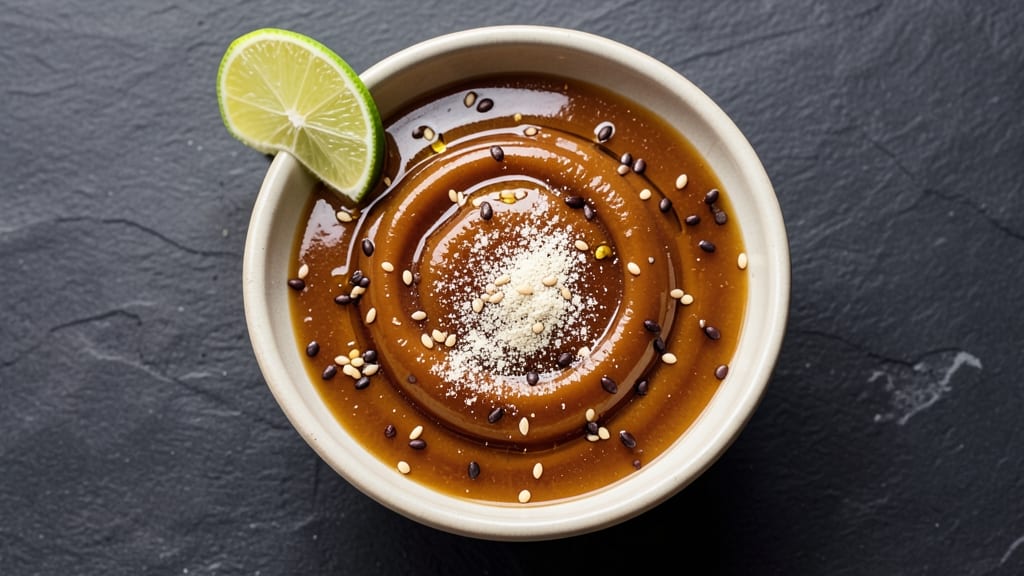
This Chin Chin Chinese chicken salad dressing recipe transforms ordinary greens into a vibrant, umami-rich masterpiece with just six simple ingredients.
The secret lies in balancing soy sauce's savory depth with bright lime juice and a touch of sesame oil, creating a dressing that clings perfectly to shredded chicken and crisp vegetables.
I developed this after years of testing—it's the one that finally earned me compliments from even the most discerning Asian cuisine enthusiasts.
The magic happens when you whisk together warm sesame oil with soy sauce and honey, then finish with lime juice and a pinch of garlic powder. This foolproof method ensures no separation, giving you a silky, emulsified dressing that stays consistent even after chilling.
The result? A tangy-sweet-savory profile that cuts through rich chicken while enhancing every bite of cabbage, carrots, and edamame.
What makes this dressing truly special is its versatility—use it on chicken salad, drizzle over noodles, or toss with fresh spring rolls. The flavors develop beautifully when stored in the fridge for up to a week, making it perfect for meal prep.
Unlike store-bought versions, this recipe delivers restaurant-quality depth without artificial additives.
For an extra layer of complexity, add a splash of chili oil or a sprinkle of toasted sesame seeds before serving. The dressing's balance of sweet, salty, and citrus notes makes it equally at home in a quick weeknight lunch or an elegant dinner spread.
Ready to elevate your chicken salad game?
Ingredients for chin chin chinese chicken salad dressing
Six ingredients. One whisk. Restaurant-quality dressing without the guesswork.
| Ingredient | Amount | Notes |
|---|---|---|
| Light Soy Sauce 🍶 | ½ cup | Use high-quality, low-sodium preferred |
| Sesame Oil 🫒 | ¼ cup | Toasted sesame oil for aroma |
| Honey 🍯 | ¼ cup | Substitute maple syrup for vegan option |
| Fresh Lime Juice 🍋 | ¼ cup | Zest included for extra brightness |
| Garlic Powder 🧄 | 1 tsp | Fresh garlic preferred but powder works |
| Toasted Sesame Seeds 🌾 | 1 tbsp | For garnish and texture contrast |
| Chili Oil 🌶️ | 1 tsp | Optional for heat kick |
| White Vinegar 💧 | 1 tbsp | Balances sweetness and acidity |
The soy sauce is non-negotiable—Kikkoman or Pearl River Bridge brands deliver that authentic umami punch. Sesame oil should be toasted (not the cheap, flavorless kind)—look for it in the Asian foods aisle or Trader Joe's international section. Honey adds that perfect sweetness, but if you're avoiding it, local raw honey or maple syrup works just as well. Lime juice needs to be fresh—bottled juice lacks that vibrant zing. For garlic powder, Simply Organic is my go-to since it's consistently flavorful, but fresh minced garlic takes it to another level if you're feeling fancy.
No sesame oil? Avocado oil or peanut oil can mimic the nutty notes, though it won't be identical. Short on lime juice? Lemon juice at half the amount works, but you'll lose some of that signature citrus brightness. The garlic powder can be swapped for 1 finely minced garlic clove if you're prepping ahead. For the chili oil, Sichuan chili crisp from the Asian market adds both heat and texture. And if you're making this for a crowd, double the batch—it keeps beautifully in the fridge for up to a week.
Store the dressing in a small glass jar with a tight seal—keeps for 10-12 days in the fridge. The flavors actually improve as they meld, so it's perfect for meal prep. If you make extra, freeze it in ice cube trays for single-serving portions. The sesame seeds and chili oil? Add those fresh right before serving—30 seconds of toasting the seeds in a dry pan takes their flavor to the next level. This dressing is your secret weapon for elevating any salad or noodle dish.
Why You'll Love This Recipe
- No-Measure Guessing: That sesame oil and lime juice combo? You’ll know it’s right when it smells like a street food stall. Honestly, I just eyeball the honey—taste as you go—because the balance is forgiving. (Yes, even on a Tuesday night when I’m exhausted.)
- Umami Bomb: The light soy sauce and garlic powder hit like a flavor revelation—sweet, salty, and punchy all at once. It’s the kind of dressing that makes you pause mid-bite, thinking, Wait, is this actually this good?
- Dressing for Everything: Drizzle it over greens for a quick lunch, toss it with cold noodles for dinner, or use it as a marinade for grilled chicken. I’ve even slathered it on toast with a fried egg—because why not? It’s my secret weapon for turning boring meals into actually exciting ones.
- Pantry Magic: Five ingredients, zero specialty tools. That jar of sesame oil you bought for takeout? Now it’s working overtime. And since it keeps for weeks in the fridge, I’m always ready—no last-minute store runs, no stress. Budget-friendly? Absolutely. Lazy-friendly? Even more so.
Step-by-step instructions for Chin Chin Chinese chicken salad dressing
This umami-packed vinaigrette comes together in minutes with bold flavors that elevate any chicken salad.
Whisk Together the Base Ingredients
In a medium bowl, combine the 0.5 cup light soy sauce and 1 tablespoon white vinegar. The vinegar will cut through the richness of the soy, creating a balanced foundation. Add the 0.25 cup honey next, stirring until fully incorporated. You'll notice the mixture starts to thicken slightly as the honey blends with the soy—this is normal and essential for that signature Chin Chin texture.
Now pour in the 0.25 cup fresh lime juice. The acidity will brighten the flavors and prevent the dressing from becoming too heavy. Give it another thorough whisk to ensure everything is evenly distributed. At this point, the mixture should smell tangy, sweet, and slightly salty—like a preview of the final flavor profile.
Incorporate the Oil and Garlic
With the bowl resting on a stable surface, slowly drizzle in the 0.25 cup sesame oil while whisking continuously. This gradual addition prevents the dressing from separating and creates a silky emulsion. The oil should blend smoothly, giving the dressing its signature richness. Once fully incorporated, sprinkle in the 1 teaspoon garlic powder and whisk again until dissolved.
Here's the thing—if you're using fresh garlic instead of powder, you'll want to mince it finely and let it infuse in the oil for 5 minutes before combining with the rest. The aroma should be intense, with a deep umami quality that's the heart of this dressing. If the mixture looks slightly cloudy, don't worry—it will clear up as you whisk more thoroughly.
Season and Finish with Chili Oil
Taste the dressing now and adjust the balance of flavors. If it needs more acidity, add a splash of lime juice. For extra umami, a pinch more soy sauce works well. Now's the time to incorporate the 1 teaspoon chili oil. Stir this in gently—it should distribute evenly without breaking the emulsion. The chili oil adds a subtle heat that complements the sweet and savory notes perfectly.
Let the dressing sit for 10 minutes at room temperature. This resting period allows all the flavors to meld together, creating a cohesive taste experience. You'll notice the colors deepen slightly, and the texture becomes even smoother. If the dressing thickens too much during this time, thin it with a teaspoon of water or additional lime juice until it reaches a pourable consistency.
Garnish and Store Properly
Before using, sprinkle the 1 tablespoon toasted sesame seeds on top. These seeds add a delightful crunch and visual appeal that makes the dressing look as good as it tastes. Stir gently to distribute the seeds evenly throughout the dressing. The seeds should be warm from toasting, adding an extra layer of aroma to the final product.
For best results, store the dressing in an airtight container in the refrigerator for up to 5 days. Before using, give it a good shake—sometimes the oils separate slightly when refrigerated. This dressing works beautifully on chicken salads, noodle dishes, or even as a marinade for grilled meats. The balance of sweet, salty, tangy, and umami flavors makes it incredibly versatile in Asian-inspired cuisine.
Pro Tips For Making Chin Chin Chinese Chicken Salad Dressing
- Whisk in Stages: Start by mixing the soy sauce, honey, and lime juice—this keeps the honey from clumping when you add the sesame oil later. After that, stir in the garlic powder and sesame oil last, or you’ll end up with a greasy, separated mess that’s hard to fix.
- Use Real Lime: Bottled lime juice tastes flat and dull in this dressing. Squeeze fresh lime juice straight from the fruit—it’s brighter, more acidic, and actually cuts through the richness of the sesame oil. (Yes, even if you’re serving 20 people, it’s worth the effort.)
- Taste Before Adding Oil: After mixing soy, honey, and lime, taste the base before drizzling in sesame oil. Too salty? Add a splash of water. Too sweet? A pinch more garlic powder or a squeeze of extra lime. Adjusting now saves you from overcompensating later.
- Store Oil Separate: Sesame oil oxidizes fast and turns bitter if stored in the dressing. Keep it in a tiny separate container and only add it when ready to serve—this way, the dressing stays fresh for days, and the oil keeps its nutty punch. (Trust me, you’ll notice the difference.)
Common mistakes when making your chin chin chinese chicken salad dressing
Skipping the Oil Gradual Addition
Pouring all the sesame oil at once is a classic rookie mistake that guarantees separation. The oil needs time to emulsify with the soy-vinegar mixture—adding it too quickly creates a broken, greasy texture. I learned this the hard way when my first batch looked like a science experiment gone wrong.
Instead, drizzle the oil slowly while whisking vigorously to create tiny oil droplets that suspend evenly. 🌡️
Using Low-Quality Sesame Oil
Cheap, flavorless sesame oil from the regular cooking aisle lacks the toasted aroma that defines this dressing. Always reach for toasted sesame oil—look for brands like Kadoya or La Choy in the Asian foods section.
The nutty, slightly bitter depth is what makes this dressing taste authentic. Trust me, your taste buds will notice the difference immediately.
Overmixing After Adding Oil
Once the oil is incorporated, overwhisking can break the emulsion and turn your silky dressing into a greasy mess. After the oil blends smoothly, give it one final light stir—just enough to distribute the garlic powder.
The dressing should coat the back of a spoon without leaving a greasy film. If it starts to separate again, let it rest for 5 minutes before using.
Ignoring the Resting Time
Rushing to use the dressing immediately after mixing means missing out on flavor development. The 10-minute rest lets the ingredients marry properly, creating a more cohesive taste. I used to skip this step and always wondered why my dressing tasted "off."
Now I treat it like a fine wine—patience pays off. The colors deepen and the texture smooths out during this time.
Adding Sesame Seeds Too Early
Tossing in sesame seeds while the dressing is still hot can make them bitter and lose their nutty aroma. Always add them right before serving after toasting them lightly in a dry pan for 30 seconds.
This preserves their freshness and adds that crucial crunch. Pro tip: Toast extra seeds and store them in an airtight container—they'll keep for weeks and make garnishing a breeze.
Not Adjusting Seasoning Before Storing
Tasting and adjusting the dressing after it's chilled is a recipe for disappointment—cold temperatures dull flavors. Always taste at room temperature and make adjustments (more lime for acidity, more soy for umami) before refrigerating.
I've caught myself making this mistake multiple times, and the results are always underseasoned. Trust your taste buds—they know best!
Nutrition facts
Frequently asked questions
Can I make this dressing without sesame oil?
Yes, but the flavor will be different! Substitute with avocado oil or peanut oil (1/4 cup) for a similar neutral base, though you'll lose the signature nutty aroma. For authenticity, try toasted sesame oil alternatives like toasted walnut oil (1 tbsp) mixed with neutral oil (3 tbsp total). The texture will be slightly lighter but still delicious.
How does this dressing differ from peanut sauce?
This is lighter and tangier than traditional peanut sauce—it's more of a vinaigrette than a thick, creamy condiment. Peanut sauce relies on ground peanuts for body, while this dressing uses sesame oil and honey for richness. The lime juice gives it a bright citrus kick that peanut sauce lacks. Think of it as a cross between a Chinese-inspired vinaigrette and a lighter satay-style sauce.
Can I use this dressing on non-chicken dishes?
This versatile dressing works beautifully on tofu stir-fries, rice noodle bowls, or even as a marinade for grilled shrimp. The umami-sweet balance makes it perfect for Asian-inspired dishes beyond just chicken salad. Try drizzling it over cucumber salad or using it as a dipping sauce for spring rolls.
Why did my dressing separate after refrigerating?
This happens when oils and liquids aren't properly emulsified. Give it a good shake before using—most separation resolves with gentle mixing. For future batches, whisk more vigorously when adding oil, or add 1/2 teaspoon xanthan gum to stabilize it. The dressing should re-emulsify completely once shaken, with no greasy layer remaining.
What's the best way to store leftovers?
Keep it in an airtight glass jar in the fridge for up to 10 days. The flavors actually improve over time! For longer storage, freeze in ice cube trays (thaw overnight in the fridge). Always shake well before using—some separation is normal after refrigeration. The sesame seeds should be added fresh when serving to maintain their crunch.