
Salads
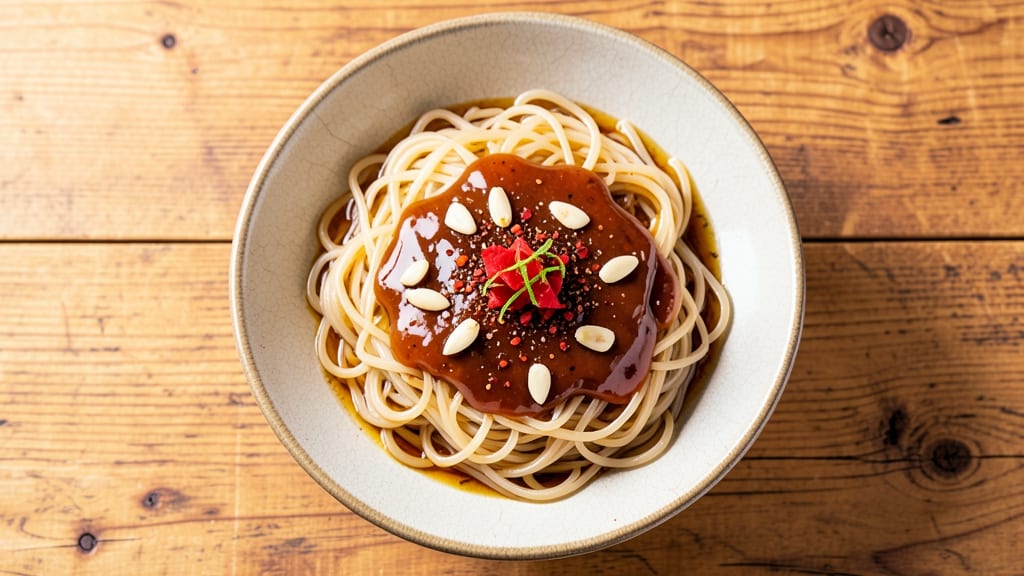
This Chinese noodle salad dressing recipe transforms a simple salad into a vibrant, umami-packed dish with just five ingredients. The perfect balance of soy sauce, sesame oil, lime juice, and a touch of sweetness creates a bright, tangy drizzle that clings beautifully to noodles and vegetables.
I developed this recipe after realizing most store-bought versions lacked the depth and complexity of homemade—now you can recreate that restaurant-quality flavor at home.
The secret lies in the combination of soy sauce for umami, lime juice for acidity, and sesame oil for nutty richness.
A splash of honey or maple syrup adds subtle sweetness, while a pinch of red pepper flakes introduces just enough heat to elevate the dressing without overpowering. Unlike heavy creamy dressings, this version is light yet flavorful, making it ideal for warm weather or quick lunches.
What makes this dressing truly special is its versatility—it works equally well on cold noodle salads, fresh spring rolls, or even as a marinade for grilled meats. The lime keeps it fresh, while the sesame oil adds a satisfying depth that lingers on your palate.
Once you try this, you’ll never reach for bottled dressing again.
Ready in just 5 minutes, this dressing requires no cooking—just whisk together the ingredients and let them meld for 10 minutes before using. The result is a smooth, glossy drizzle that enhances every bite of your salad. Let’s make it—your taste buds will thank you.
Ingredients for chinese noodle salad dressing
Five ingredients transform a simple salad into vibrant, restaurant-quality Chinese noodle dressing.
| Ingredient | Amount | Notes |
|---|---|---|
| Light Soy Sauce 🥄 | ½ cup | High-quality, low-sodium preferred |
| Toasted Sesame Oil 🫒 | 2 tbsp | For authentic nutty aroma |
| Fresh Lime Juice 🍋 | ¼ cup | About 2-3 limes, freshly squeezed |
| Pure Maple Syrup 🍯 | 1 tbsp | Or honey for floral notes |
| Red Pepper Flakes 🌶️ | ½ tsp | Adjust for desired heat level |
| Fresh Garlic Cloves 🧄 | 2 cloves | Minced for depth of flavor |
| Rice Vinegar 🍶 | 1 tbsp | For brightness and balance |
| Toasted Sesame Seeds 🌾 | 1 tsp | For garnish and texture |
The soy sauce is your flavor foundation—Kikkoman or Pearl River Bridge are my go-tos for that authentic umami punch. Fresh lime juice is non-negotiable; bottled just won't cut it (the acidity matters!). Toasted sesame oil from Trader Joe's or Asian markets has the richest flavor—don't skimp here. The garlic? Freshly minced makes all the difference, but if you're in a rush, pre-minced from a jar works in a pinch. For the maple syrup, Grade A dark amber adds the best caramel notes without overpowering.
No sesame oil? Toasted peanut oil at half the amount gives a similar richness, though with a different profile. Out of soy sauce? Coconut aminos works in a bind, though it's more neutral. Fresh lime unavailable? Key lime juice or even lemon juice will work, but you'll lose that signature tang. The red pepper flakes can be omitted entirely if you prefer no heat, or doubled for extra kick. For extra depth, add a splash of fish sauce (1 tsp) if you're not making this vegetarian—it's a game-changer for that authentic restaurant taste.
This dressing keeps beautifully—5-7 days in the fridge once opened. I like to store it in a small glass jar with a tight lid, shaking before each use. For longer storage, freeze in ice cube trays—just thaw and shake to recombine. The sesame seeds can be added fresh when serving, or tossed in right away for extra crunch. Makes about 1 cup—perfect for 2-3 salads or as a marinade for grilled proteins. Leftovers? Use within a week or freeze for up to 3 months.
Why You'll Love This Recipe
- Five-Ingredient Magic: I swear by this dressing—just stir those five pantry staples (soy sauce, sesame oil, lime, maple syrup, and a pinch of flakes) in a bowl. No straining, no whisking like you’re auditioning for Chopped, just a quick toss. Honestly, it’s the kind of recipe that makes me feel like a chef when I’m really just lazy.
- Umami Zing: The toasted sesame oil and lime juice hit like a flavor tsunami—salty, bright, and just a little spicy. That maple syrup? It’s the secret weapon, cutting through the heat while adding this weirdly addictive sweetness. I’ll be real: I’ve drizzled this on everything from grilled chicken to cold ramen, and it never lets me down.
- Lunchbox Hero: This dressing keeps for days in the fridge, so I make a big batch on Sundays. Toss it with pre-cooked noodles, shredded veggies, or even leftover rotisserie chicken—it’s my go-to for packed lunches or last-minute dinners. (Yes, even on a Tuesday night when I’ve forgotten to meal prep.)
- Budget Brightener: Light soy sauce and maple syrup are cheap, and a little sesame oil goes a long way. I’ve made this dressing for under $3 total, and it turns basic noodles into something that feels fancy. Plus, the red pepper flakes add heat without costing extra—just adjust to taste. My wallet and my taste buds thank me.
Step-by-step instructions for Chinese noodle salad dressing
This umami-rich dressing comes together in minutes with simple ingredients—no cooking required.
Combine the Base Ingredients
In a medium bowl, pour in the 0.5 cup light soy sauce and 2 tablespoons toasted sesame oil. Use a whisk to combine these two ingredients first—the soy sauce will start to emulsify with the sesame oil, creating a silky foundation. The toasted sesame oil adds that signature nutty aroma that defines Asian dressings, while the soy sauce provides the deep umami backbone.
Next, add the 0.25 cup fresh lime juice and 1 tablespoon rice vinegar. The acidity from the lime brightens the dressing, cutting through the richness of the soy sauce, while the rice vinegar adds a subtle tang. Whisk vigorously for 30 seconds until everything is fully incorporated and the mixture looks smooth and homogeneous. You'll notice the color shift from deep brown to a lighter amber hue as the citrus integrates.
Sweeten and Season
Drizzle in the 1 tablespoon pure maple syrup while whisking continuously. The maple syrup balances the acidity and adds a subtle sweetness that complements the savory notes. Taste the mixture at this stage—it should be tangy and slightly sweet but still need depth. If you prefer a sweeter dressing, add an extra ½ teaspoon of maple syrup now.
Add the 0.5 teaspoon red pepper flakes and 2 minced fresh garlic cloves. The garlic infuses depth while the red pepper flakes introduce a gentle heat that builds complexity. Whisk for another 20 seconds to distribute the spices evenly. Here's where the dressing starts to come alive with layers of flavor—don't rush this step. The garlic should be fully dispersed, and the red pepper flakes should be evenly suspended throughout the mixture.
Rest and Adjust
Cover the bowl with plastic wrap and let the dressing rest at room temperature for 10 minutes. This resting period allows the flavors to meld and the spices to fully infuse. I know it feels like waiting is counterintuitive, but trust me—this step ensures a cohesive, balanced dressing rather than one where flavors are fighting for dominance.
After resting, give the dressing one final taste. If it needs more brightness, add a splash of lime juice (start with ½ teaspoon). If it needs more depth, add a pinch more soy sauce. The goal is a dressing that's tangy, slightly sweet, with a hint of heat and umami richness. The texture should be smooth and pourable, not grainy or separated.
Garnish and Serve
Transfer the dressing to a clean jar or small bowl. Sprinkle the 1 teaspoon toasted sesame seeds on top just before serving. The sesame seeds add a delightful crunch and visual contrast to the smooth dressing. Shake or stir well before using to redistribute any settled spices. This dressing keeps well in the refrigerator for up to 5 days, making it perfect for meal prep.
Drizzle generously over chilled noodles, fresh vegetables, or grilled proteins. The dressing should coat the ingredients lightly, enhancing their natural flavors without overpowering them. For extra flair, serve it alongside thinly sliced cucumbers, shredded carrots, or crispy wonton strips. The balance of sweet, tangy, and umami makes this dressing incredibly versatile—it elevates everything from simple salads to hearty noodle bowls.
Pro Tips For Making Chinese Noodle Salad Dressing
- STIR IN ORDER: Mix the soy sauce and maple syrup first—this lets the syrup dissolve smoothly instead of clumping when you add lime juice. I used to dump everything in at once and end up with a weird, grainy texture.
- USE FRESH LIME: Bottled lime juice tastes flat in this dressing. Roll the lime on the counter before cutting to soften the skin, then juice it right before mixing—it makes all the difference.
- DILUTE THE SESAME OIL: A splash of warm water (1 teaspoon) when adding toasted sesame oil prevents it from separating later. Trust me, you’ll regret skipping this if you want that silky texture.
- TOAST THE PEPPER FLAKES: Lightly dry-toast the red pepper flakes in a dry pan for 30 seconds—they’ll deepen in color and add a smoky note. Skip this, and you’re just eating raw heat instead of flavor.
Pro cooking tips for chinese noodle salad dressing
Emulsify Like a Pro
For a silky, clingy dressing, use a handheld immersion blender for 10 seconds after combining all ingredients. This breaks up the sesame oil droplets completely, creating a smoother texture than whisking. If you don’t have one, whisk vigorously for full 2 minutes—the key is patience.
I’ve found that KitchenAid’s handheld blender does this perfectly, but even a $15 basic model works in a pinch. 💡
Flavor Layering Trick
Add the garlic and red pepper flakes to warm soy sauce (microwave for 10 seconds) before mixing with other ingredients. This infuses their flavors more deeply into the dressing.
The heat activates the garlic’s oils and softens the pepper flakes, creating a more cohesive taste profile. Trust me, this small step makes a noticeable difference in complexity. 🌶️
Storage Hacks
Store dressing in a glass jar with a tight-sealing lid—plastic can absorb odors over time. For long-term storage, freeze in 1-tablespoon portions using silicone molds. Thaw overnight in the fridge and shake vigorously to recombine.
I’ve kept this dressing frozen for up to 3 months without flavor degradation. The sesame oil stays fresh when stored properly. ❄️
Adjusting for Heat
If you love spice, add ½ teaspoon of gochujang (Korean chili paste) along with the red pepper flakes. This adds fermented depth and smokiness that pairs beautifully with the lime.
For milder heat, replace red pepper flakes with ½ teaspoon of sriracha—it’s sweeter and less abrasive. Always taste as you go! 🔥
No-Soy Substitutes
For a soy-free version, replace the soy sauce with 3 tablespoons coconut aminos plus 1 teaspoon fish sauce (for umami). If avoiding fish sauce entirely, use 3 tablespoons tamari (gluten-free soy alternative) or mushroom sauce for depth. The texture will be slightly lighter, but the flavor remains vibrant. 💪
Texture Boost
For extra crunch, add 1 teaspoon of crushed peanuts or toasted sesame sticks to the dressing just before serving. These elements add dimension and make the dressing more exciting to eat. I like to sprinkle them over the salad right before tossing with the dressing. 🥜
Nutrition facts
Frequently asked questions
Can I make this dressing without sesame oil?
Yes! For a similar nutty richness, use 1 tablespoon toasted peanut oil instead. If avoiding all nut oils, replace with 1 teaspoon of sesame paste (thinned with 1 teaspoon warm water) for depth. The flavor will be slightly different but still delicious. The key is maintaining that toasted aroma—don't skip it entirely!
How spicy should the dressing be?
The 0.5 teaspoon red pepper flakes provide a gentle heat—adjust to your taste! For milder flavor, reduce to ¼ teaspoon or omit completely. If you love spice, add ½ teaspoon gochujang (Korean chili paste) for fermented depth instead. Always taste before serving—you can always add more heat later.
Will this dressing work with cooked vs. raw noodles?
This dressing works perfectly with both! For raw noodles (like vermicelli), the dressing's tangy brightness complements their chewy texture. With cooked noodles (like chilled udon or ramen), the dressing clings beautifully, adding moisture and flavor. Pro tip: Toss cooked noodles with a little oil first to prevent sticking before adding the dressing.
Can I make this dressing ahead of time?
This dressing actually improves with time. Store it in an airtight container in the fridge for up to 5 days, shaking before use. For longer storage, freeze in 1-tablespoon portions—thaw overnight in the fridge and shake well to recombine. The flavors meld beautifully, making it perfect for meal prep.
What if my dressing separates?
This can happen if the sesame oil isn't fully emulsified. Whisk vigorously for 2 full minutes or use a handheld blender for 10 seconds to recombine. For a quick fix, add 1 teaspoon of honey or maple syrup and whisk again—the natural emulsifiers in the syrup help bind the ingredients. If it still separates, stir before using and enjoy it as a drizzle rather than a toss.