Salads
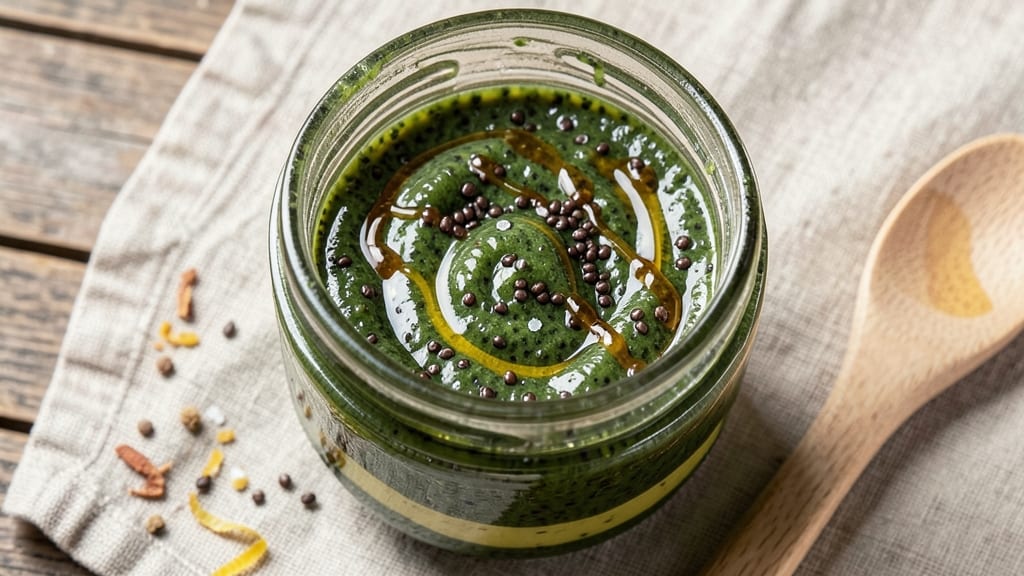
This chia seed salad dressing recipe transforms simple ingredients into a creamy, omega-3-rich sauce that thickens effortlessly—no blender required. The secret lies in chia seeds' natural gelling power, which binds oil and vinegar into a velvety consistency perfect for drizzling over greens, grains, or proteins.
I developed this formula after struggling with store-bought dressings that separated or tasted artificial, and the results speak for themselves: rich, plant-based, and packed with healthy fats.
The magic happens when chia seeds absorb liquid and swell, creating a stable emulsion without the need for eggs or mayo. This dressing works equally well as a tangy vinaigrette, creamy ranch alternative, or even a dessert drizzle—just adjust the flavorings to suit your taste.
The best part? It thickens in minutes, making it ideal for meal prep or last-minute salads. For extra depth, toast the seeds lightly before adding them to enhance their nutty flavor profile.
What you'll end up with is a dressing that clings beautifully to mixed greens, holds up in jars for up to a week, and delivers that satisfying "thick but pourable" texture we all crave.
The omega-3s from chia seeds add a nutritional boost, while the simplicity of the ingredients keeps costs low. Whether you're dressing a hearty kale salad or a light grain bowl, this recipe delivers restaurant-quality results with minimal effort.
For versatility, try swapping the vinegar for lemon juice and adding tahini for a Middle Eastern twist, or infuse the oil with garlic and herbs for a more robust flavor. The possibilities are endless, but the base technique remains the same: chia seeds as the thickening powerhouse. Let's get started!
Ingredients for chia seed salad dressing
Nine simple ingredients create a velvety, omega-3-rich dressing that thickens naturally—no blender needed.
| Ingredient | Amount | Notes |
|---|---|---|
| Raw Chia Seeds 🌱 | 2 tbsp | Organic preferred for purity |
| Extra-Virgin Olive Oil 🫒 | ½ cup | High-quality, fruity flavor |
| Apple Cider Vinegar 🍏 | ¼ cup | Raw, unfiltered preferred |
| Pure Maple Syrup 🍯 | 1 tbsp | Grade B for robust flavor |
| Dijon Mustard 🌶️ | 1 tbsp | Whole grain preferred |
| Sea Salt 🧂 | ½ tsp | Fine grain preferred |
| Fresh Garlic Cloves 🧄 | 2 cloves | Minced for infusion |
| Fresh Lemon Juice 🍋 | 1 tbsp | Freshly squeezed |
| Ground Black Pepper 🌶️ | ¼ tsp | Freshly ground preferred |
Chia seeds are the star here. Bob's Red Mill or Anthony's Goods are my go-tos for quality, but any organic brand works. Toasting them lightly in a dry pan for 2 minutes before adding enhances their nutty flavor—trust me, it makes a difference. The olive oil should be extra-virgin with a fruity aroma; California Olive Ranch or Colavita are reliable choices. Apple cider vinegar adds depth, so opt for raw, unfiltered varieties like Bragg or Zevia if available. For the mustard, whole grain Dijon provides better texture than smooth varieties.
No apple cider vinegar? White wine vinegar or lemon juice work in a pinch, but the flavor profile shifts slightly. Swap maple syrup for agave nectar or date syrup if you prefer a different sweetness level. The garlic can be omitted if you dislike its intensity, but it adds a lovely depth. For a tangier dressing, increase the lemon juice to 2 tablespoons. If you're making this ahead, toast the chia seeds first and store them in an airtight container—they'll thicken faster when mixed with liquids later.
This dressing thickens best when refrigerated for at least 15 minutes, so plan ahead. Store it in a glass jar with a tight seal for up to 1 week in the fridge. The texture will be thicker after chilling, so stir well before using. For meal prep, make a double batch—it's perfect for drizzling over salads, grains, or even roasted vegetables. If it separates, simply whisk vigorously to re-emulsify. The chia seeds' natural gelling power ensures it stays creamy without clumping.
Why You'll Love This Recipe
- Five-Ingredient Magic: I swear, this dressing takes zero effort—just whisk, wait, and enjoy. The chia seeds do all the work while I sip my coffee, and honestly? It’s the kind of recipe that makes me feel like a chef without the mess.
- Sweet-Tangy Balance: That maple syrup and apple cider vinegar combo is chef’s kiss—rich but bright, with a hint of mustard kick. It’s the kind of dressing that turns a simple salad into something you’d actually pay for at a restaurant.
- Meal Prep MVP: I make a big batch on Sundays, and it lasts all week—no sad, wilted greens here. Drizzle it on grain bowls, toss it with roasted veggies, or even use it as a marinade. Between us, it’s my secret weapon for lazy nights.
- Budget Bright Spot: Chia seeds and olive oil stretch this recipe far—I’ve used the same jar for salads, smoothies, and even as a quick glaze. It’s the kind of pantry staple that makes healthy eating feel effortless, not expensive.
Step-by-step instructions for chia seed salad dressing
This dressing thickens naturally as you wait—no cooking required, just simple layering.
Combine Wet Ingredients in a Jar
In a clean, dry glass jar with a tight-fitting lid, combine the 0.5 cup extra-virgin olive oil, 0.25 cup apple cider vinegar, 1 tablespoon pure maple syrup, and 1 tablespoon Dijon mustard. Use a spoon to stir these ingredients together until fully blended and smooth. The mixture should look like a uniform, slightly syrupy liquid with no visible streaks.
This step creates the base flavor profile. The apple cider vinegar adds tanginess while balancing the richness of the olive oil. The maple syrup introduces subtle sweetness that enhances the overall complexity of the dressing. Stirring thoroughly at this stage ensures even distribution of all ingredients before adding the thickening agents.
Add Garlic, Lemon, Salt, and Pepper
To the wet mixture, add the 2 minced fresh garlic cloves, 1 tablespoon fresh lemon juice, 0.5 teaspoon sea salt, and 0.25 teaspoon ground black pepper. Stir vigorously with a spoon for 30 seconds to fully incorporate all ingredients. The mixture should be completely homogeneous with no visible garlic pieces.
Here's where the flavors come together. The garlic adds aromatic depth, the lemon juice brightens the dressing, and the salt and pepper balance the sweetness. Don't skip the vigorous stirring—this ensures the garlic is fully infused and the salt is evenly distributed throughout the dressing. The mixture should now have a smooth, slightly thick consistency.
Sprinkle Chia Seeds and Seal
Sprinkle the 2 tablespoons raw chia seeds evenly over the surface of the liquid. Tap the jar gently on the counter to help the seeds sink below the surface, then seal the lid tightly. The key here is to distribute the chia seeds as evenly as possible throughout the liquid to ensure even thickening.
This is the magic step that transforms your dressing. The chia seeds will begin absorbing liquid immediately, forming a gel-like consistency within 10-15 minutes. You'll notice the mixture thicken visibly as you wait. Don't shake or disturb the jar during this process—this allows the seeds to absorb liquid evenly and create a smooth, creamy texture.
Rest and Thicken
Let the dressing sit at room temperature for at least 15 minutes, but ideally 30 minutes before using. You'll see the mixture transform from a liquid to a thick, creamy consistency. Give it a gentle stir after 10 minutes to redistribute any seeds that may have risen to the surface.
The waiting period is crucial. The chia seeds absorb up to 10 times their weight in liquid, creating a naturally thickened dressing without any artificial additives. After resting, the dressing should be thick enough to coat the back of a spoon but still pourable. If it's too thick for your preference, you can thin it slightly with a splash of water or additional vinegar.
Store and Use
Once thickened, transfer the dressing to a clean jar for storage. This dressing will keep in the refrigerator for up to 1 week. Before each use, give it a good stir as the seeds may settle. The texture should be creamy and slightly gel-like, perfect for tossing with salads or drizzling over bowls.
This dressing delivers a perfect balance of flavors with its rich, tangy, and slightly sweet profile. The chia seeds not only thicken the dressing but also provide a significant boost of omega-3 fatty acids. Use it immediately on fresh greens or store it for up to a week—either way, you'll have a dressing that's healthier than traditional options and packed with nutrients.
Pro Tips For Making Chia Seed Salad Dressing
- STIR AND WAIT: Let the chia seeds sit for 10 minutes after mixing—this isn’t a 2-minute shake-and-go situation. I used to rush it, thinking a quick stir would be enough, but the dressing clumps like glue if you don’t let those seeds absorb the liquid first.
- USE COLD OIL: Measure your extra-virgin olive oil straight from the fridge—cold oil emulsifies better with vinegar and mustard. Warm oil just makes the dressing split faster, and nobody wants a greasy puddle instead of a silky dressing.
- MEASURE THE MAPLE SYRUP: Don’t eyeball the maple syrup—use a kitchen scale if you’re unsure. Too much and your dressing tastes like pancake syrup; too little and it’s bitter. A 1:1 ratio with vinegar keeps the sweetness balanced, especially with the sharp Dijon.
- WHISK IN STAGES: Add the vinegar and mustard first, then slowly drizzle in the oil while whisking like you’re beating eggs for omelets. This prevents a sudden oil flood that’ll make your dressing curdle. (Yes, I’ve done it—don’t skip the slow pour.)
Troubleshooting your chia seed salad dressing
Separation Issues
If your dressing separates after resting, simply whisk vigorously for 30-60 seconds—the chia seeds will re-emulsify instantly. This happens when seeds clump or settle unevenly.
For prevention, always use a glass jar (plastic can react with acids) and stir gently after 10 minutes of resting to redistribute seeds before they fully gel. If it's still too thick, add 1 teaspoon water or vinegar and whisk again. 💫
Thickness Control
Too thick? Thin with 1-2 teaspoons water or vinegar and whisk until smooth. Too thin? Add ½ teaspoon more chia seeds, stir, and let rest 5-10 minutes longer. The ideal consistency coats the back of a spoon but pours easily.
For meal prep, make a double batch—it thickens more as it chills, so adjust ratios if storing overnight.
Flavor Imbalance
If the dressing tastes too sweet, add ½ teaspoon more vinegar or a pinch of salt. Too tangy? Balance with ½ teaspoon maple syrup or a splash of lemon juice.
For extra depth, infuse the olive oil with 1 crushed garlic clove or ½ teaspoon dried herbs (like oregano or thyme) while heating on low for 5 minutes, then strain before mixing. 🌶️
Chia Seed Clumping
Clumps form when seeds aren’t fully hydrated. To fix, whisk in 1 teaspoon warm water or vinegar and let sit 5 minutes. For prevention, always use fresh chia seeds (older seeds absorb slower) and stir gently after 10 minutes of resting.
If clumps persist, strain through a fine-mesh sieve before using. Store seeds in an airtight container to maintain freshness.
Storage Problems
Mold or off smells? Discard immediately—chia seeds can spoil if exposed to moisture. Store in a clean, dry glass jar with a tight seal in the fridge for up to 1 week.
For longer storage, freeze in ice cube trays (thaw and whisk before use). If the dressing separates after refrigeration, whisk vigorously—chia seeds re-emulsify easily when cold. 🧊
Allergic Reactions
Chia seeds are safe for most people, but those with mild seed allergies should test a small amount first. Common symptoms include itching or digestive discomfort. For nut-free kitchens, ensure your chia seeds are processed in a nut-free facility (brands like Bob’s Red Mill label this clearly).
If sharing, note the chia seed ingredient for dietary awareness.
Nutrition facts
Frequently asked questions
Can I make this chia seed dressing without vinegar?
Yes! Swap the apple cider vinegar for lemon juice or white wine vinegar in the same amount. For a tangier flavor, use 2 tablespoons lemon juice instead of 0.25 cup vinegar. The acidity is key for balancing the oil and activating the chia seeds' thickening power.
How do I adjust the dressing for nut allergies?
This recipe is naturally nut-free, but always check your chia seeds for cross-contamination warnings. For extra safety, use certified nut-free brands like Bob's Red Mill. If you're also avoiding seeds, replace chia seeds with 1 tablespoon ground flaxseed—it thickens similarly but has a milder flavor.
Can I use this dressing on hot foods?
Not ideal—chia seeds thicken when cold and may separate when heated. For warm dishes, use it as a drizzle after cooking. If you must heat it, whisk vigorously and add 1 teaspoon extra chia seeds to maintain thickness. For soups or grains, save it for serving.
What's the fastest way to thicken it if I'm short on time?
Use 1 tablespoon ground flaxseed instead of whole chia seeds—it thickens instantly when mixed with liquids. For chia seeds, reduce the resting time to 5 minutes by whisking vigorously after adding seeds. The texture won't be as gel-like but will still coat well.
Can I make this dressing without sweeteners?
Yes! Omit the maple syrup and increase the vinegar to 0.35 cup for tanginess. For depth, add 1 teaspoon miso paste or soy sauce (for umami) or ½ teaspoon smoked paprika (for complexity). The dressing will be more acidic but still creamy.