
Salads
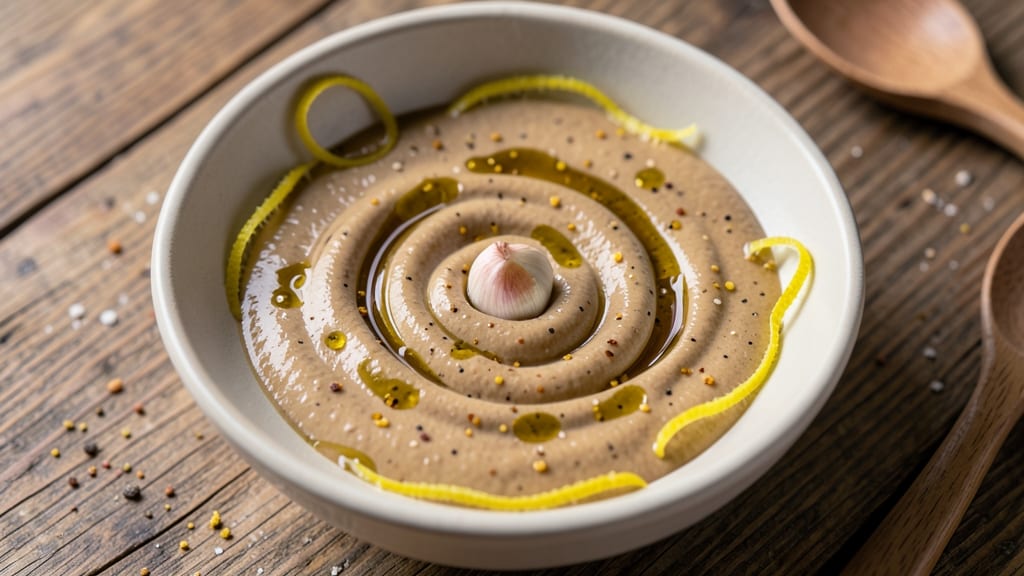
This vegan Caesar salad dressing recipe transforms traditional flavors into a rich, nutty tahini base that clings beautifully to crisp lettuce. The secret lies in balancing tahini's depth with tangy lemon juice, garlic's sharpness, and nutritional yeast for that signature umami kick—no anchovies or mayo required.
What sets this apart is how the tahini creates a velvety texture that coats every leaf without the heaviness of traditional dressings.
The recipe builds on classic Caesar elements while adapting them for plant-based diets, using olive oil for richness and Dijon mustard for subtle bite. Each ingredient plays a crucial role: the tahini provides creaminess, lemon juice brightens the flavor, and nutritional yeast delivers that unmistakable savory depth.
The dressing stays fresh for up to 5 days when stored properly, making it perfect for meal prep or hosting.
What you'll achieve is a dressing that's equally at home on Caesar salads, crostini, or even as a marinade for grilled vegetables. The tahini base ensures it's plant-powered yet indulgent, with a flavor profile that rivals traditional versions.
This isn't just another vegan substitute—it's a sophisticated upgrade that proves plant-based cooking can be just as complex and satisfying.
The best part? This dressing comes together in minutes with simple pantry staples, yet delivers restaurant-quality results. Whether you're catering to dietary restrictions or simply craving a lighter Caesar experience, this recipe delivers the perfect balance of acidity, richness, and umami. Let's make it—your taste buds will thank you.
Ingredients for vegan cesar salad dressing
Nine simple ingredients transform into a velvety, restaurant-quality vegan Caesar dressing.
| Ingredient | Amount | Notes |
|---|---|---|
| Tahini 🥜 | ½ cup | High-quality, freshly ground preferred |
| Extra-Virgin Olive Oil 🫒 | ½ cup | Fruity, not bitter |
| Lemon Juice 🍋 | ¼ cup | Freshly squeezed, strained |
| Water 💧 | ¼ cup | Room temperature |
| Nutritional Yeast 🍞 | ¼ cup | Fortified for cheesy flavor |
| Garlic Cloves 🧄 | 3 cloves | Fresh, minced finely |
| Dijon Mustard 🌶️ | 1 tbsp | For subtle bite |
| Maple Syrup 🍯 | 1 tbsp | For natural sweetness |
| Salt 🧂 | 1 ½ tsp | Kosher or sea salt |
| Black Pepper 🌶️ | ½ tsp | Freshly ground |
The tahini is the star here—look for freshly ground if possible, as it has the richest flavor. Trader Joe's or Whole Foods carry high-quality options, but any good tahini will work. Nutritional yeast is a game-changer for that classic Caesar umami—Bob's Red Mill is my go-to brand, but any fortified version works. Fresh garlic is non-negotiable; pre-minced garlic lacks the punch. If you're short on time, toasted garlic powder at half the amount works in a pinch, but it won't be the same.
No tahini? Substitute with blended white beans or cashew butter—both add creaminess, though texture will differ slightly. Running low on Dijon? Yellow mustard at double the amount gives a milder kick. The maple syrup can be swapped for agave or even a pinch of sugar if you're watching carbs. For extra richness, add 1 tbsp vegan mayo, but the tahini base keeps it light. Always taste as you go—the lemon juice can vary in acidity, so adjust to your preference.
This dressing keeps beautifully—5 days in the fridge when stored in a sealed jar with a thin layer of olive oil on top. Shake well before each use, as it will separate slightly. For meal prep, double the batch and store in small containers—perfect for salads, crostini, or even drizzling over pasta. Freezing isn't recommended, as the texture changes, but it reheats beautifully if you accidentally make extra.
Why You'll Love This Recipe
- Five-Ingredient Magic: I swear by this combo—tahini’s rich nuttiness, zesty lemon, and that umami punch from nutritional yeast make it taste like a restaurant dressing, not something thrown together. Honestly, the balance is chef’s kiss without any fuss.
- No Blender Hassle: Just whisk. That’s it. No immersion blender, no food processor—just a bowl and a fork. I’ve made this in a tiny mug while waiting for coffee, and it still comes out creamy and perfect every time.
- Weeknight Superstar: Drizzle it on greens for dinner, toss it with pasta for lunch, or even use it as a marinade for tofu. Between us, I’ve had it three nights in a row on different dishes, and no one’s complained—yet.
- Lasts All Week: This keeps in the fridge for at least five days, and the flavor only deepens. I make a big batch Sunday, and by Thursday, it’s my secret weapon for turning sad salads into something special. Plus, tahini is cheap—this is budget-friendly gourmet.
Step-by-step instructions for vegan tahini-based dressing
This nutty, creamy dressing delivers all the richness of classic Caesar without dairy or mayo.
Whisk Tahini and Olive Oil Until Smooth
In a medium bowl, combine the 0.5 cup tahini and 0.5 cup extra-virgin olive oil. Start with a whisk and gradually work the mixture until it becomes completely smooth—this prevents any graininess in your dressing. I like to use a hand mixer here for about 30 seconds to ensure everything blends perfectly. The tahini should look like a thick, velvety paste with no streaks of oil remaining.
This step is crucial because tahini can be stubborn about emulsifying. If you see any separation, just keep whisking—it will come together. The texture should resemble heavy cream once fully incorporated. Don't rush this; taking the extra time ensures your dressing will coat every bite of your salad perfectly.
Add Lemon Juice, Water, and Garlic
Next, stir in the 0.25 cup lemon juice, 0.25 cup water, and the 3 minced garlic cloves. The lemon juice will brighten the flavors while the water helps thin the mixture to a pourable consistency. I like to press the garlic through a fine-mesh strainer to avoid any gritty texture in the final dressing.
At this point, taste the mixture—it should have a tangy, garlicky base. The lemon juice should cut through the richness of the tahini and olive oil beautifully. If you're using freshly squeezed lemon juice, strain out any pulp to maintain a smooth texture. This is where the dressing starts to come alive with flavor, so don't skip tasting and adjusting at this stage.
Incorporate Nutritional Yeast and Seasonings
Add the 0.25 cup nutritional yeast, 1 tbsp Dijon mustard, 1 tbsp maple syrup, 1.5 tsp salt, and 0.5 tsp black pepper. The nutritional yeast will give your dressing that classic cheesy flavor without any dairy, while the Dijon mustard adds a subtle tang. The maple syrup balances the acidity from the lemon juice, creating a well-rounded flavor profile.
Whisk everything together until fully combined. At this stage, the dressing should be thick but still pourable. If it's too thick, add 1-2 teaspoons of water at a time until you reach your desired consistency. Taste again and adjust the seasoning if needed—you might want to add a bit more salt or pepper to taste. The dressing should have a rich, nutty, slightly sweet, and tangy flavor that's perfect for Caesar salads.
Let It Rest and Adjust Consistency
Cover the bowl and let the dressing rest for 10-15 minutes at room temperature. This resting period allows all the flavors to meld together beautifully. After resting, give it one final taste and adjust the seasoning if necessary. If the dressing has thickened too much, simply whisk in a bit more water to reach your preferred consistency.
This dressing is incredibly versatile—it works perfectly on romaine lettuce, croutons, and even as a dip for veggie sticks. The tahini base ensures it's rich and satisfying, while the lemon and garlic keep it bright and fresh. Store any leftovers in an airtight container in the refrigerator for up to 5 days, shaking well before each use. Enjoy your creamy, vegan Caesar dressing that's sure to impress!
Pro Tips For Making Vegan Cesar Salad Dressing
- Whisk the Tahini First: Tahini is stubborn—it clumps like a grumpy cat if you toss it in last. Mix it with a splash of warm water (about 1 tablespoon) and a pinch of salt before adding anything else. This smooths it out instantly, so your dressing won’t turn into a grainy mess when you combine it with the lemon and oil.
- Use Fresh Lemon, No Shortcuts: Bottled lemon juice is fine in a pinch, but fresh is non-negotiable here. The pulp and oils in fresh lemon juice add brightness and body that bottled versions can’t match. If you’re squeamish about straining, just give it a quick whirl in a blender—no one’s judging, but your dressing will taste like it.
- Balance the Oil Gradually: Drizzle the olive oil in slowly while tasting between additions. Too much too soon, and your dressing turns into a heavy, oily sludge. Start with 3 tablespoons, then add more until it coats the back of a spoon like a light, silky film—this is your sweet spot.
- Save the Nutritional Yeast for Last: Add the nutritional yeast after everything else is emulsified. It’s salty and funky, and if you mix it in early, it can make the dressing curdle or develop a weird aftertaste. Stir it in just before serving so it keeps its cheesy punch without overpowering the tahini’s nuttiness.
Common mistakes when making your vegan cesar salad dressing
Over-Whisking the Tahini
I’ve seen so many people whip the tahini into oblivion, thinking more mixing equals better results. But tahini is delicate—over-whisking can turn it into a thin, watery paste that loses its velvety texture. Once you’ve incorporated the olive oil and achieved a smooth, creamy consistency, stop.
Use a whisk or hand mixer just until the tahini and oil fully emulsify, then switch to a spoon for the rest. This keeps the dressing rich and clingy, not soupy. 🥜
Skipping the Resting Time
The 10-15 minute rest isn’t just a suggestion—it’s where the magic happens. Rushing to taste or serve immediately means missing out on the flavor melding. The nutritional yeast and garlic need time to integrate fully, and the lemon’s acidity softens slightly, balancing the richness.
Trust me, your taste buds will thank you for the patience. Skipping this step often leads to a dressing that’s either too sharp or unevenly seasoned.
Using Low-Quality Tahini
Not all tahini is created equal. Cheap, bitter, or old tahini will make your dressing taste off—think rancid nuts or a metallic aftertaste. Invest in a high-quality, freshly ground tahini like Cedar’s or Al Yaman.
If you’re using a store-bought jar, check the expiration date—old tahini can turn grainy or develop an unpleasant flavor. Freshness is key for that nutty, creamy depth. 💡
Ignoring the Water-to-Lemon Ratio
Some recipes treat lemon juice and water as interchangeable, but they’re not. Lemon juice adds acidity and brightness, while water thins the dressing. Using too much lemon makes it overly tangy; too little water makes it gloppy.
Aim for a 1:1 ratio of lemon juice to water, then adjust by the teaspoon based on taste. I like to start with the full 0.25 cup each, then tweak after tasting.
Forgetting to Taste as You Go
This is a common rookie mistake. Many people assume the recipe’s measurements are perfect for their taste, but everyone’s palate is different. Taste after adding the lemon-garlic mix, then again after the nutritional yeast and seasonings.
Adjust salt, pepper, or even lemon juice incrementally. I’ve seen dressings go from bland to amazing (or vice versa) just by adding a pinch of salt or an extra splash of lemon. Always taste!
Storing Without an Oil Seal
If you store your dressing without a thin layer of olive oil on top, it’ll oxidize faster and develop a stale taste. The oil acts as a barrier, preserving freshness. After making the dressing, spoon a ¼-inch layer of olive oil over the surface before sealing the jar.
This keeps it fresh for the full 5 days in the fridge. Skipping this step means your dressing might taste flat or off after just a few days. 💧
Nutrition facts
Frequently asked questions
Can I make this vegan Caesar dressing without tahini?
Yes! For a creamy alternative, blend ½ cup white beans or ¼ cup cashew butter with the same amount of water until smooth. The texture will be slightly different but still delicious. You may need an extra 1-2 tsp water to reach the right consistency, as bean-based versions tend to thicken more.
How do I adjust the flavor if I don't like nutritional yeast?
If you're sensitive to the cheesy taste, reduce the nutritional yeast to 2 tbsp and add 1 tsp white miso paste for umami depth. For a milder profile, swap half the nutritional yeast with 1 tbsp vegan mayo—it adds creaminess without overpowering flavors. Always taste after mixing to fine-tune!
Will this dressing cling to lettuce like traditional Caesar?
The tahini and olive oil combo creates a velvety texture that coats leaves beautifully. For extra cling, add 1 tsp xanthan gum or ½ tsp arrowroot powder when whisking the tahini and oil. This thickens the dressing slightly without altering flavor—perfect for hearty salads or croutons.
Can I use this dressing on other dishes besides salads?
This versatile dressing works on crostini, grilled vegetables, or even as a dip for crudités. For pasta, reduce the lemon juice to 2 tbsp and add 1 tbsp apple cider vinegar to balance the richness. The nutty depth pairs well with roasted potatoes or as a marinade for tofu.
Why does my dressing separate after refrigeration?
Separation is normal—tahini-based dressings naturally split when chilled. Before using, whisk vigorously or shake the jar until smooth. For future batches, add ½ tsp mustard or 1 tsp cornstarch to improve stability. Always store with a thin olive oil layer on top to preserve freshness and prevent oxidation.