
Sauces & Condiments
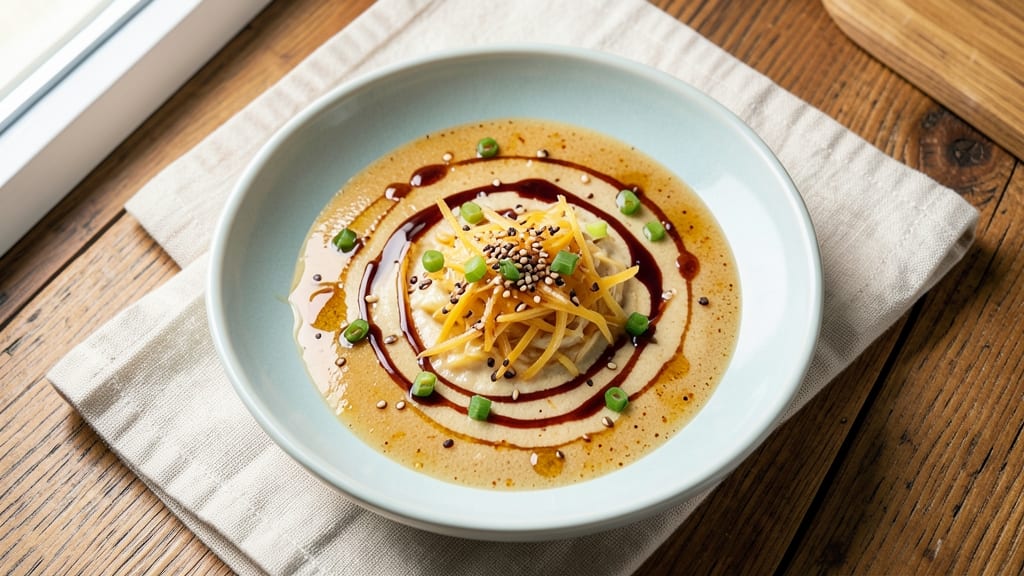
This Comforts Chinese Chicken Salad Dressing Recipe delivers the perfect balance of sesame-ginger creaminess without the heavy mayo cling you find in store-bought versions.
The secret lies in a silky blend of toasted sesame oil, tangy rice vinegar, and a touch of honey—creating a dressing that clings beautifully to greens and chicken while keeping every bite light and refreshing.
I developed this recipe after years of searching for a dressing that captured the essence of Chinese takeout flavors without sacrificing freshness or texture.
The foundation of this dressing is simple yet transformative: sesame oil for nutty depth, ginger for a subtle kick, and a splash of soy sauce for umami richness.
Unlike traditional creamy dressings, this version relies on a smooth emulsion of oil and vinegar, stabilized by a touch of cornstarch for that signature cling without heaviness.
The result is a dressing that’s vibrant, aromatic, and versatile enough to elevate any salad—whether it’s a classic chicken salad, crisp greens, or even as a dipping sauce for spring rolls.
What makes this dressing truly special is its ability to deliver comfort in every pour. The warm, toasty notes of sesame oil and the bright tang of rice vinegar create a flavor profile that feels familiar yet refined.
It’s the kind of dressing that turns a simple salad into a meal, adding layers of flavor without overpowering the ingredients. Perfect for weeknight dinners or meal prep, this recipe is designed to be quick, foolproof, and impossible to resist.
Once you try this dressing, you’ll never go back to store-bought versions. The blend of textures—creamy yet light, nutty yet tangy—makes it a standout for any dish.
Whether you’re tossing it with shredded chicken, fresh greens, or even noodles, this dressing will become your new go-to for adding that comforting Chinese-inspired flavor to your meals. Let’s dive into the ingredients and instructions to bring this dressing to life.
Ingredients for comforts chinese chicken salad dressing
Nine simple ingredients blend into a dressing that feels like takeout comfort at home.
| Ingredient | Amount | Notes |
|---|---|---|
| Toasted Sesame Oil 🫒 | ½ cup | High-quality, nutty aroma |
| Rice Vinegar 🍶 | ½ cup | White or seasoned preferred |
| Fresh Ginger 🌿 | 2 tbsp | Finely grated, zesty kick |
| Low-Sodium Soy Sauce 🥢 | 2 tbsp | For umami depth |
| Honey 🍯 | 2 tbsp | Light or clover variety |
| Cornstarch 🌾 | 1 tsp | For smooth emulsion |
| Sesame Seeds 🌰 | 1 tbsp | Toasted for garnish |
| Garlic Cloves 🧄 | 2 cloves | Minced for extra flavor |
| Water 💧 | ¼ cup | For thinning consistency |
| Salt 🧂 | ½ tsp | Adjust to taste |
The sesame oil is non-negotiable here—Kadoya or La Choy are my go-tos, but any quality brand works. Look for the toasted kind in the Asian aisle, not the generic vegetable oil. Fresh ginger is better than powdered, but if you're in a pinch, ground ginger at half the amount works. For soy sauce, low-sodium keeps the dressing from being too salty, but regular works too if you adjust the salt later. The honey adds that perfect balance—avoid dark molasses-style, it can overpower the delicate flavors.
No sesame oil? Avocado oil or peanut oil can stand in, but the flavor won't be quite the same. Short on rice vinegar? Apple cider vinegar or white wine vinegar both work, but rice vinegar has that signature tang. The cornstarch is key for that signature cling—arrowroot powder works too—but don't skip it. If you're making this ahead, store the dry ingredients (cornstarch, sesame seeds, salt) separately and mix them in just before using to keep everything fresh. The garlic can be minced ahead and stored in the fridge for up to 3 days.
This dressing keeps for 5-7 days in the fridge, sealed tightly. I like to make a double batch—one for salads, one for dipping spring rolls. The texture thickens as it sits, so stir in a splash of water if it gets too thick. Freezes beautifully for up to 3 months—just thaw in the fridge and whisk to recombine. The sesame seeds are for garnish, but if you want extra crunch, toast them in a dry pan for 30 seconds before sprinkling.
Why You'll Love This Recipe
- Five-Ingredient Magic: I swear by this combo—ginger’s zingy kick, honey’s warmth, and that toasted sesame oil pop in your mouth. Honestly, it’s the kind of dressing that makes you want to lick the bowl.
- No-Fuss Whisking: Three minutes, one bowl, zero stress. Just toss in the rice vinegar, soy sauce, and honey, then let the ginger and sesame oil do their thing—no blender, no straining, just pure flavor.
- Lunchbox Hero: Between us, this dressing turns a sad salad into a meal. Pack it with grilled chicken, shredded cabbage, and sesame seeds for a lunch that actually excites you (yes, even on a Tuesday).
- Budget Bright Spot: Sesame oil and ginger are cheap, but they punch way above their price. A little goes a long way—stretch it over multiple salads or drizzle it on noodles without breaking the bank.
Step-by-step instructions for sesame-ginger chicken salad dressing
This creamy, tangy dressing delivers all the cozy flavors of Chinese takeout without the mayo.
Toast the Sesame Seeds and Infuse the Oil
In a small dry skillet over medium-low heat, toast the 1 tablespoon sesame seeds for 1-2 minutes until they turn a rich golden brown and release their nutty aroma. Watch closely—they burn quickly. Immediately transfer to a small bowl and set aside to cool.
In the same skillet, add the 0.5 cup toasted sesame oil and heat for 30 seconds until just warm. Remove from heat and let it cool slightly—this step infuses the oil with subtle toasted notes that elevate the dressing. Let the oil sit for 2 minutes while you prepare the remaining ingredients.
Create the Ginger-Garlic Base
While the oil cools, finely grate the 2 tablespoons fresh ginger using a microplane or fine grater—you want a paste-like consistency, not coarse chunks. In a medium bowl, combine the grated ginger with the 2 minced garlic cloves and let them sit for 5 minutes to release their aromatic oils.
Add the 0.5 cup rice vinegar and 2 tablespoons low-sodium soy sauce to the bowl. Stir well to dissolve the ginger and garlic completely. The mixture should smell vibrant and slightly sharp—this is the flavor foundation. Taste a small amount to ensure the acidity and umami balance before proceeding.
Build the Creamy Texture
In a small saucepan, whisk together the 2 tablespoons honey, 0.25 cup water, and 1 teaspoon cornstarch until smooth. Place the saucepan over medium heat and bring to a gentle simmer, stirring constantly for 2-3 minutes until the mixture thickens to a glossy, pudding-like consistency. It should coat the back of a spoon but still be pourable.
Remove from heat and let cool for 1 minute. Slowly drizzle in the warm ginger-garlic-vinegar mixture while whisking continuously. The dressing should begin to emulsify into a silky texture. If it looks too thick, add 1 teaspoon water at a time until you reach a smooth, creamy consistency.
Emulsify and Finish
With the saucepan still warm, slowly pour in the toasted sesame oil in a thin, steady stream while whisking vigorously. This gradual addition is key—it prevents the oil from breaking the emulsion. Keep whisking for 1-2 minutes until the dressing becomes thick, glossy, and perfectly balanced between creamy and tangy.
Taste and adjust seasoning with the 0.5 teaspoon salt if needed. The dressing should be sweet, savory, and slightly spicy from the ginger. Stir in the toasted sesame seeds just before serving to add crunch and visual appeal. This dressing keeps well in the refrigerator for up to 1 week, making it perfect for meal prep.
Pro Tips For Making Comforts Chinese Chicken Salad Dressing
- GRATE THE GINGER FINE: I learned this the hard way—chunky ginger bits scream "rushed prep" and leave a weird texture. Use the small holes of a box grater (or pulse in a food processor) for a paste that blends smoothly. No, it won’t look Instagram-worthy, but your dressing will taste like it came from a dim sum cart.
- WHISK IN STAGES: Dump everything in at once and you’ll end up with a gloppy mess. Start with rice vinegar and honey, whisk until the honey dissolves, then add soy sauce and sesame oil. Stir in the ginger last—it’s the diva ingredient that needs gentle handling.
- SALT THE SOY SAUCE: Low-sodium soy sauce is a lie if you’re using it straight. Add a pinch of salt (¼ tsp) to the soy before mixing—it balances the vinegar’s sharpness and makes the dressing sing. Trust me, your taste buds will notice the difference.
- CHILL THE DRESSING: Warm sesame oil and ginger can turn this dressing into a sad, oily puddle. Whisk it up, then refrigerate for 15 minutes before tossing with salad. The flavors meld, and the oil separates just enough to coat properly—not pool. (Yes, even if you’re impatient like me.)
Creative variations of this dish
Spicy Sesame Kick
For a bolder flavor, add 1 teaspoon of chili crisp or ½ teaspoon of gochujang to the ginger-garlic mixture. This adds a fiery depth that pairs perfectly with the nutty sesame notes.
I love using Lao Gan Ma chili crisp for its intense, smoky heat—just a drizzle enhances the dressing without overpowering. 🌶️
Citrus Twist
Brighten the dressing with 1 tablespoon of fresh lime juice or 1 teaspoon of orange zest for a refreshing citrus twist. The acidity cuts through the richness of the sesame oil, making it ideal for summer salads.
I often add this when using the dressing on seafood-based salads like shrimp or scallops.
Creamy Avocado Option
For a richer texture, blend ½ ripe avocado into the dressing after emulsifying. This adds a velvety smoothness that’s perfect for heartier salads or as a dip for spring rolls. Just mash the avocado with the honey-water mixture before heating, then proceed with the recipe as written.
Sweet and Tangy
Swap the honey for 2 tablespoons of maple syrup or 1 tablespoon of agave to create a deeper, caramelized sweetness. This works beautifully with Asian pears or apples in your salad. I also like adding ½ teaspoon of vanilla extract for an unexpected but delicious complexity.
Herb-Infused Variations
Stir in 1 tablespoon of chopped cilantro or 1 teaspoon of finely chopped Thai basil for a fresh herbal note. These herbs add brightness and contrast the toasty sesame flavors. For a more robust flavor, try 1 teaspoon of chopped mint—it pairs surprisingly well with the ginger.
Nutty Crunch Boost
Toast 1 tablespoon of chopped peanuts or 1 teaspoon of crushed roasted peanuts and sprinkle them into the dressing just before serving. This adds a satisfying crunch that complements the creamy texture. I love using unsalted peanuts to avoid over-salting the dressing.
Nutrition facts
Frequently asked questions
Can I make this dressing without sesame oil?
Yes, but the flavor will change. Use avocado oil or peanut oil for a neutral base, though the nutty depth will be missing. For a closer substitute, try 1 tablespoon of tahini (sesame paste) mixed with 0.25 cup of neutral oil—this adds some sesame flavor while keeping the texture smooth.
How do I fix a broken emulsion (separation)?
If your dressing separates, whisk in 1 teaspoon of cornstarch mixed with 1 tablespoon cold water until smooth. Gradually add it back to the separated dressing while whisking vigorously. For a quick fix, place the bowl over a pot of barely simmering water (double boiler) and whisk continuously until fully recombined.
Is this dressing gluten-free?
Only if you use a certified gluten-free soy sauce. Regular soy sauce contains wheat, so swap it for tamari or gluten-free coconut aminos to make this fully gluten-free. All other ingredients are naturally gluten-free, so this is an easy modification for dietary needs.
Can I use this dressing on non-salad dishes?
This versatile dressing works beautifully as a dipping sauce for spring rolls, dumplings, or sushi rolls. It also elevates grilled chicken, shrimp skewers, or even as a marinade for tofu. For a richer application, thin it slightly with water or broth to create a glaze.
Why does my dressing taste too salty?
Low-sodium soy sauce can still pack a punch. Taste as you go and adjust with water (1 teaspoon at a time) to dilute the saltiness. If it's already mixed, try balancing it with 1 extra tablespoon of honey or a splash of rice vinegar to restore balance. Avoid adding more water—it can break the emulsion.