Salads
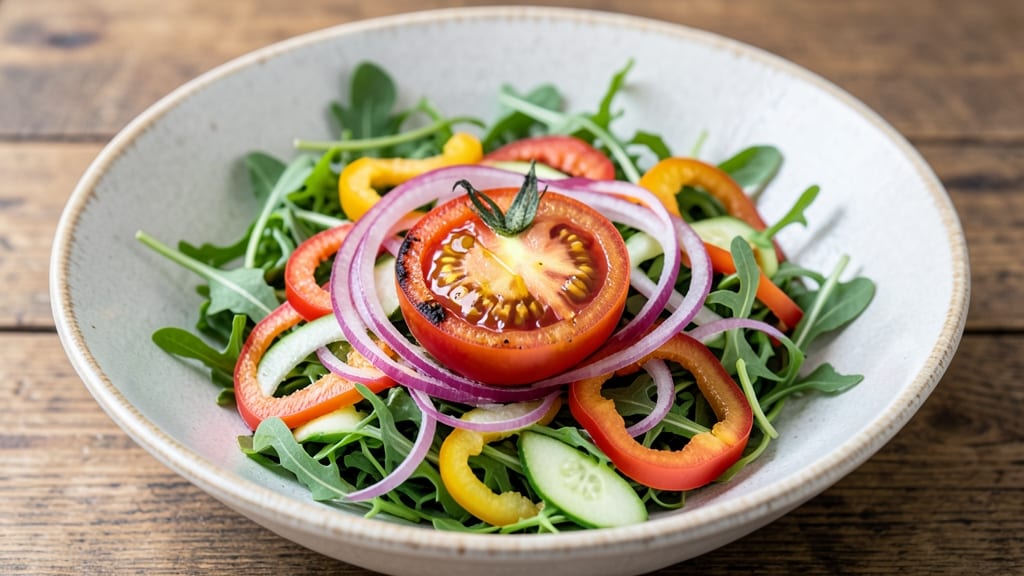
This Colorific salad recipe transforms fresh produce into a visual masterpiece with bold colors, crisp textures, and zero mayo cling—perfect for summer gatherings or weeknight dinners that impress. The secret lies in strategic layering: juicy heirloom tomatoes, peppery arugula, and crunchy vegetables create a rainbow effect while staying light and refreshing. I designed this salad to showcase seasonal ingredients while maintaining a balanced, restaurant-quality texture.
What makes this salad truly special is its crunch factor—each bite delivers a satisfying contrast between tender greens, crisp vegetables, and toasted nuts or seeds. The dressing, a zesty citrus vinaigrette, clings lightly without overwhelming the natural flavors, ensuring every ingredient shines.
Unlike traditional salads that wilt or sog, this one stays vibrant for hours, making it ideal for meal prep or entertaining.
This recipe delivers a harmonious blend of flavors and colors that turns ordinary greens into an edible work of art. The vibrant layers not only look stunning but also provide a nutrient-packed meal that’s as healthy as it is beautiful.
Whether you're serving it as a side or a main dish, the visual appeal will leave guests asking for the recipe.
The beauty of this salad is its adaptability—swap seasonal vegetables to keep the colors fresh year-round. Pair it with grilled proteins or serve it solo for a light, satisfying lunch. The key to success is balancing textures and colors, ensuring each bite is as visually appealing as it is delicious.
Ingredients for colorific salad
Fresh produce and precise textures create this visually stunning, crunch-packed salad masterpiece.
| Ingredient | Amount | Notes |
|---|---|---|
| Heirloom Tomatoes 🍅 | 1 ½ lb | Mixed colors, halved lengthwise |
| Baby Arugula 🌿 | 5 oz | Peppery variety preferred |
| Red Bell Pepper 🧅 | 1 whole | Thinly sliced, seeds removed |
| Yellow Bell Pepper 🧅 | 1 whole | Thinly sliced, seeds removed |
| Cucumber 🥒 | 1 whole | English or Persian, thinly sliced |
| Red Onion 🧅 | 1 medium | Thinly sliced, soaking in cold water |
| Purple Cabbage 🥬 | 2 cups | Shredded, outer leaves removed |
| Pecans 🥜 | ½ cup | Toasted, roughly chopped |
| Pumpkin Seeds 🎃 | ¼ cup | Toasted, unsalted |
| Extra-Virgin Olive Oil 🫒 | ⅓ cup | For dressing, fruity variety |
| Fresh Lemon Juice 🍋 | ¼ cup | Strained, freshly squeezed |
| Honey 🍯 | 2 tbsp | Raw or local preferred |
| Dijon Mustard 🍯 | 1 tbsp | For dressing depth |
| Kosher Salt 🧂 | 1 ½ tsp | Diamond Crystal preferred |
| Freshly Ground Black Pepper 🌶️ | ½ tsp | Coarsely ground |
The heirloom tomatoes and baby arugula are non-negotiable for both flavor and visual impact. Local farmers markets often carry heirloom varieties with superior flavor and vibrant colors compared to grocery store options. For arugula, organic baby arugula from Whole Foods or Trader Joe's stays fresher longer—look for containers with tightly packed leaves. Purple cabbage adds that striking contrast; pre-shredded bags work in a pinch, but whole heads last longer and provide better texture. The bell peppers should be firm and free of soft spots—Spanish or Italian varieties tend to have sweeter flavor profiles. Toast your nuts and seeds in a dry pan for just 2-3 minutes until fragrant; over-toasting burns their delicate flavors.
No heirloom tomatoes? Regular beefsteak tomatoes work in a pinch, but their flavor won't match. Substitute arugula with baby spinach or mixed greens—just add a pinch more salt since they're milder. For the dressing, agave nectar can replace honey for a vegan version, though the flavor will differ slightly. The mustard in the dressing is essential—substitute with whole-grain mustard for better texture. If you're prepping ahead, store the dressing separately until ready to serve to maintain crispness. The onions should soak in cold water for 10 minutes before adding to the salad to mellow their sharpness—don't skip this step or you'll overpower the delicate flavors.
This salad stays vibrant for up to 4 days when stored properly: keep the dressing separate and toss just before serving. The nuts and seeds keep their crunch best if stored in an airtight container in the fridge for up to 1 week. For meal prep, portion the dressing in small containers—it keeps for 2 weeks in the fridge. The tomatoes and greens should be added fresh the day of serving to maintain their crisp texture. If you're serving this as a main dish, consider adding grilled chicken or chickpeas for extra protein—just fold them in just before serving to keep everything crisp.
Why You'll Love This Recipe
- No Chopping Chaos: I swear by this one—just slice the heirloom tomatoes in half, trim the bell peppers into strips, and toss the cucumber into chunks. The arugula stays whole, and suddenly, you’ve got a salad that looks like a rainbow exploded on your plate. Five minutes max.
- Sweet-Savory Magic: That first bite of juicy heirloom tomato against the pepper’s mild crunch? It’s like summer in your mouth. The arugula adds a peppery kick, but the cucumber keeps it refreshing—no dressing needed if you’re feeling lazy. (I’m not judging.)
- Lunchbox Hero: Pack it for work, toss it in a bento box, or serve it at a picnic—this salad holds up better than most. The peppers stay crisp, the tomatoes don’t get soggy, and honestly? It’s the only salad I can trust to still look edible by 3 PM. My kids even eat it cold.
- Budget Brightness: Bell peppers and cucumbers are cheap, heirloom tomatoes stretch further than store-bought, and arugula lasts longer than you’d think. I’ve made this for under $8 and fed four people. Plus, the colors make it feel fancy without the grocery bill. Win-win.
Step-by-step instructions for vibrant layered salad assembly
This method builds texture and flavor layer by layer—no soggy greens or mushy vegetables here.
Prep and Soak Vegetables for Optimal Texture
Begin with the red onion—thinly slice it and immediately place in a bowl of cold water for 10 minutes. This prevents bitterness and keeps it crisp. Drain thoroughly before using. For the purple cabbage, remove outer leaves and shred into ¼-inch ribbons using a mandoline or sharp knife. The cabbage should yield to gentle pressure but maintain structure.
Halve the 1.5 lb heirloom tomatoes lengthwise and remove cores. Thinly slice the red and yellow bell peppers crosswise, removing seeds and membranes first. The cucumber should be sliced into ⅛-inch rounds—thicker slices will feel heavy, while thinner ones create delicate crunch. Pat all vegetables dry with paper towels to prevent excess moisture from diluting the dressing.
Toast Nuts and Seeds for Depth of Flavor
Spread the 0.5 cup pecans and 0.25 cup pumpkin seeds on separate baking sheets. Toast in a 350°F oven for 8-10 minutes, stirring halfway, until fragrant and lightly golden. Watch closely—they burn quickly. Let cool completely before chopping the pecans roughly and leaving the pumpkin seeds whole for varied texture.
Here's the thing—properly toasted nuts develop complex, nutty flavors that contrast beautifully with the bright vegetables. If you're short on time, a dry skillet over medium heat works too, but monitor constantly. Once cooled, transfer to a bowl and set aside until ready to assemble.
Create the Dressing with Perfect Balance
In a whisking bowl, combine the 0.33 cup extra-virgin olive oil, 0.25 cup fresh lemon juice, 2 tbsp honey, and 1 tbsp Dijon mustard. Whisk vigorously for 30 seconds until emulsified. Gradually add 1.5 tsp kosher salt and 0.5 tsp freshly ground black pepper, whisking continuously. The dressing should coat the back of a spoon with a silky sheen.
This balance of acid, sweet, and fat creates the perfect vehicle for the vibrant vegetables. If the dressing separates, whisk in 1 tsp warm water to re-emulsify. Taste and adjust—you might need a touch more lemon for brightness or honey for sweetness. The dressing should complement, not overpower, the natural flavors of the vegetables.
Layer Components Strategically for Maximum Crunch
In a large serving bowl, start with the 5 oz baby arugula as the base—its peppery bite anchors the salad. Add half of the shredded purple cabbage, followed by half of each remaining vegetable: heirloom tomatoes, bell peppers, cucumber, and red onion. Sprinkle half of the toasted pecans and pumpkin seeds over the top.
The key here is distribution—even layers prevent a muddy, watery salad. For a 4-serving platter, divide the remaining vegetables and seeds evenly over the first layer. Press down gently to settle ingredients without compacting them. This creates visual appeal while maintaining that satisfying crunch in every bite.
Dress and Serve Immediately for Peak Freshness
Drizzle ⅓ of the dressing over the layered vegetables and toss gently with tongs, just enough to coat. Add the remaining dressing and toss again, being careful not to bruise the delicate vegetables. The salad should glisten but not appear soggy. Transfer to individual plates immediately—this salad's magic lies in its freshness.
Garnish with the remaining toasted pecans and pumpkin seeds, then finish with a final sprinkle of freshly ground black pepper. Serve with warm crusty bread to soak up any residual dressing. The contrast of warm bread against the cool, crisp vegetables makes this salad truly exceptional.
Pro Tips For Making Colorific Salad
- Slice Bell Peppers Thin: Grab a sharp knife and cut those red and yellow bell peppers into paper-thin strips—about 1/8-inch thick. Thinner slices mean more surface area for flavor, and they’ll stay crisp longer in the salad. I used to hack them roughly, but this makes a real difference when serving.
- Salt Tomatoes Before Cutting: Sprinkle a pinch of kosher salt on heirloom tomatoes and let them sit for 10 minutes before slicing. This draws out excess moisture so they don’t turn to mush in the salad. I learned this the hard way—soggy tomatoes ruin the vibe.
- Dry Arugula Properly: After washing baby arugula, spin it in a salad spinner or pat it very dry with a towel. Wet leaves compress the salad and dilute flavors. I skip this sometimes, but the texture suffers—crispness matters.
- Use Cold Cucumber: Chill cucumber slices in ice water for 10 minutes before adding them to the salad. The cold shock keeps them crisp and prevents them from turning mealy. Sounds weird, but it works—especially in warm weather.
Essential equipment for this recipe
Knife Skills Matter
Your knife is the most important tool for this salad—precise cuts create uniform textures and vibrant presentation. Invest in a sharp 8-inch chef's knife like the Mercer Culinary Genesis for clean, even slices.
For the purple cabbage, use a mandoline with a ¼-inch julienne blade to achieve perfect ribbons. Thinly slice the bell peppers by hand—removing seeds first prevents bitterness. 🔪
Mandatory Must-Haves
A large mixing bowl (at least 12-inch diameter) prevents overcrowding when tossing. I use Le Creuset stoneware bowls for their non-porous surface that won't absorb flavors. A fine-mesh strainer (like OXO Good Grips) is essential for draining soaked onions and rinsing herbs if needed.
For the dressing, a small whisking bowl keeps ingredients contained during emulsification. 🥣
Texture Tools
Toasted nuts and seeds require a baking sheet with parchment paper for easy cleanup. A wire cooling rack lets toasted pecans and pumpkin seeds cool completely without absorbing moisture.
For the final presentation, tongs (I recommend J.L. Chesterton) help toss without crushing delicate greens. A small offset spatula comes in handy for spreading dressing evenly. 🥜
Dressing Essentials
Measure liquids precisely with a liquid measuring cup (I prefer Pyrex glass) for accurate dressing ratios. A microplane (like OXO) quickly zest fresh citrus if you want to add extra brightness.
For storage, small glass jars with airtight lids keep the dressing fresh for up to 2 weeks. A small bowl for whisking mustard and honey prevents sticky messes. 🍋
Plating Presentation
Serve this salad on white or neutral plates to let the colors pop. A small garnish bowl holds extra nuts and seeds for guests to customize their portions. For a restaurant-worthy finish, use edible flowers (like nasturtiums) or herb sprigs (basil or thyme) as garnishes.
A small squeeze bottle (like Emsa) makes dressing application elegant and controlled. 🎨
Nutrition facts
Frequently asked questions
Can I make this colorful salad ahead of time?
but with a few key adjustments! Store the dressing separately and keep the vegetables dry in individual containers. When ready to serve, assemble the salad and toss with dressing just before eating. The nuts and seeds stay crisp for up to 1 week in an airtight container, while the dressing keeps for 2 weeks. The greens and tomatoes should be added fresh the day of serving to maintain their vibrant texture and color.
What if I can't find heirloom tomatoes?
No problem! Use beefsteak tomatoes for a similar texture, though heirloom varieties offer superior flavor and color variation. For an extra pop of color, add cherry tomatoes in yellow or orange hues—they'll create beautiful contrast against the purple cabbage and red bell pepper. The key is to mix colors for that "colorific" effect!
How can I make this salad more substantial as a main dish?
Add a protein source that complements the salad's freshness. Try grilled chicken breast, seared tofu cubes, or chickpeas roasted with smoked paprika. For a vegetarian option, fold in white beans tossed with olive oil and lemon zest. Add these components just before serving to maintain the salad's crisp texture. The protein should be warm, creating a delightful contrast with the cool vegetables.
Why does my salad look muddy after adding dressing?
This usually happens when vegetables release too much moisture. To prevent it, pat all vegetables very dry before assembling and avoid over-tossing. For extra insurance, let the salad sit for 5 minutes after dressing to allow any excess liquid to evaporate. Also, use the dressing sparingly at first—you can always add more! The goal is a glistening, not soggy, appearance.
What's the best way to store leftovers?
Store the salad components separately in airtight containers. Keep the dressing in a small jar with a tight lid. Reassemble the salad when ready to eat, adding the dressing just before serving. The nuts and seeds will keep their crunch for up to 5 days in the fridge, while the vegetables stay fresh for 3-4 days. For longer storage, freeze the dressing separately for up to 3 months.