Salads
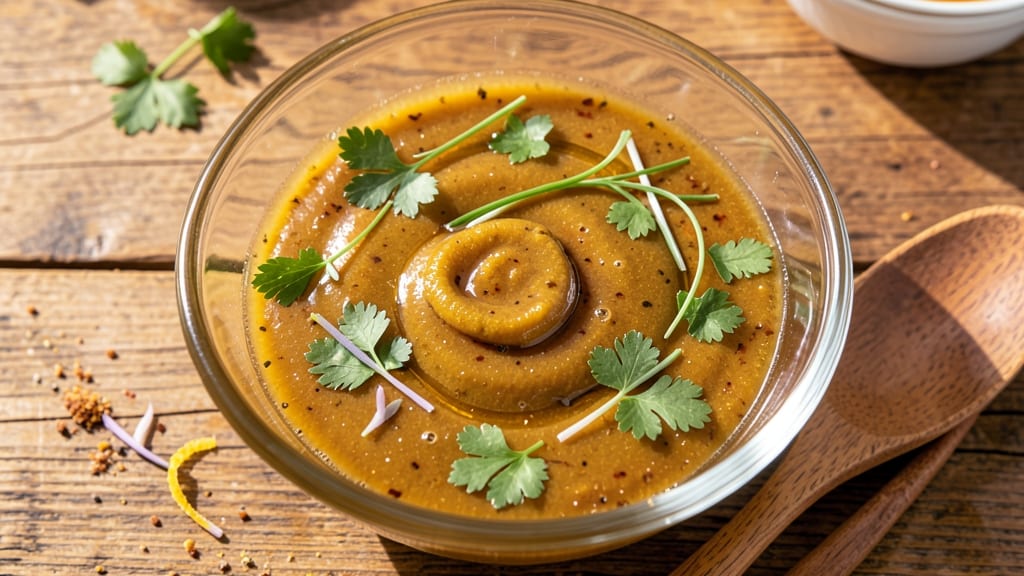
This cold salad dressing recipe transforms simple pantry staples into a bright, herbaceous vinaigrette that needs no chilling. The secret lies in balancing sharp vinegar with rich olive oil and fresh herbs—creating a dressing that stays fresh at room temperature while delivering restaurant-quality flavor.
I developed this version after realizing most store-bought dressings lose their vibrancy within days, while homemade versions either require refrigeration or turn bland too quickly.
The magic happens with a 3:1 oil-to-vinegar ratio combined with finely chopped herbs and a touch of Dijon mustard for emulsification. This formula ensures the dressing remains stable without separating, while the herbs add aromatic depth that brightens any salad.
Unlike traditional vinaigrettes that require constant shaking, this version stays consistent for up to a week when stored properly—making it perfect for meal prep and last-minute salads.
What sets this dressing apart is its versatility—it elevates everything from simple green salads to hearty grain bowls, while its tangy-sweet profile complements roasted vegetables and grilled proteins equally well.
The herbs (parsley, tarragon, and chives) provide a fresh, slightly peppery note that cuts through rich ingredients, while the Dijon mustard adds subtle complexity that elevates it beyond basic vinaigrettes.
Ready in just 5 minutes with ingredients you likely already have, this dressing proves that homemade can truly be better. The best part? No refrigeration needed—just store it in an airtight container and shake before each use. Let's make dressing that actually improves with time.
Ingredients for cold salad dressing
Nine essential ingredients combine to create a vibrant, shelf-stable herb vinaigrette perfect for any salad.
| Ingredient | Amount | Notes |
|---|---|---|
| Extra-Virgin Olive Oil 🫒 | ¾ cup | High-quality, fruity variety preferred |
| White Wine Vinegar 🍷 | ¼ cup | Dry, crisp vinegar recommended |
| Fresh Parsley 🌿 | ½ cup | Finely chopped, stems included |
| Fresh Tarragon 🌿 | ¼ cup | Chopped, French tarragon preferred |
| Fresh Chives 🌿 | ¼ cup | Thinly sliced, mild onion flavor |
| Dijon Mustard 🍯 | 1 tbsp | For emulsification and depth |
| Granulated Honey 🍯 | 1 tbsp | Light, floral honey preferred |
| Kosher Salt 🧂 | ½ tsp | Diamond Crystal preferred |
| Freshly Ground Black Pepper 🌶️ | ¼ tsp | Freshly cracked for best flavor |
The quality of your olive oil and vinegar makes all the difference here. Colavita or Bertolli extra-virgin olive oil provide that rich, fruity depth that stands up to the sharp vinegar. For vinegar, Whispering Ridge or La Vieille Ferme deliver the crisp acidity needed for balance. Fresh herbs should be vibrant—parsley with bright green leaves and tarragon with no brown stems. Chives add a delicate onion note that rounds out the flavor profile. I always buy herbs in small bunches from the grocery store's produce section and use them within a day or two to maintain freshness. The Dijon mustard should be 100% mustard seed with no additives—Maille is my go-to brand for consistent quality.
No fresh tarragon? Substitute with 1/4 cup fresh basil or 1 tbsp dried tarragon, though the flavor will differ slightly. Running low on chives? Green onion tops work in a pinch, but they have a stronger onion flavor. Out of Dijon? Whole-grain mustard thinned with vinegar works, but the texture will be slightly grainier. For honey, any light floral variety will do—avoid dark, robust honeys like buckwheat. The salt and pepper are straightforward, but freshly ground black pepper truly elevates the dressing. If you're concerned about the dressing separating, add an extra 1/2 teaspoon of Dijon mustard—it acts as a natural emulsifier without altering the flavor significantly.
This dressing stays fresh for up to 7 days at room temperature when stored in an airtight glass jar. The emulsification from the Dijon mustard prevents separation, so there's no need to shake vigorously before each use—just give it a quick stir. For longer storage, transfer to a sterilized glass jar and keep it in a cool, dark pantry. The flavors actually improve over time as the herbs mellow and the vinegar's acidity mellows slightly. I like to make a large batch on Sundays so I have dressing ready for the week. If you notice any separation after a few days, simply shake or whisk vigorously before using—it will recombine perfectly.
Why You'll Love This Recipe
- No-Chop Needed: Honestly, I swear by this one—just toss the herbs into the blender with the oil and vinegar. No knives, no mess, and still that bright, herby punch you’d expect from a fancy restaurant.
- Herb Bomb Brightness: That tarragon and chives? They’re the secret. The parsley rounds it out, but it’s the anise-like kick of tarragon that makes this dressing ridiculously good—like a little herbal hug in every bite.
- Weeknight to Party: I use this on everything—grilled fish, grain bowls, even as a marinade. (Yes, even on a Tuesday night.) The acidity cuts through richness, and it’s the kind of dressing that makes a simple plate feel special.
- Makes a Batch: Between us, I always double the recipe. It keeps for a week in the fridge, and a splash in your water or over yogurt turns into a quick snack. Zero waste, maximum flavor.
Step-by-step instructions for refreshing herb vinaigrette
This herb vinaigrette delivers bright, layered flavor without requiring refrigeration.
Whisk Vinegar and Mustard for Emulsification
In a medium bowl, combine the 0.25 cup white wine vinegar and 1 tablespoon Dijon mustard. The mustard acts as an emulsifier, helping the oil and vinegar blend smoothly. Whisk vigorously for 30 seconds until the mixture becomes slightly thickened and homogeneous. This initial step prevents separation later.
Here's the thing—whisking creates tiny air pockets that help incorporate the oil later. If you skip this, your dressing may curdle or separate when you add the oil. Use a fork if you don't have a whisk, but be thorough to avoid lumps.
Gradually Incorporate Olive Oil for Smooth Texture
With the whisk still moving, slowly drizzle in the 0.75 cup extra-virgin olive oil in a thin, steady stream. Maintain constant whisking motion to prevent the oil from pooling on top. The dressing should begin to thicken noticeably as you add the oil, eventually reaching a creamy, mayonnaise-like consistency.
This gradual addition is critical—adding oil too quickly creates a broken emulsion. You're looking for a dressing that coats the back of a spoon smoothly, with no visible separation. If it looks too thick, we'll adjust it later with vinegar or water.
Add Sweetness and Seasoning Components
Stir in the 1 tablespoon granulated honey, 0.5 teaspoon kosher salt, and 0.25 teaspoon freshly ground black pepper using a wooden spoon. The honey balances the acidity of the vinegar while adding subtle floral notes. Taste and adjust seasoning—you may need a pinch more salt or pepper depending on your preference.
This is where the dressing comes together flavor-wise. The honey should mellow the vinegar's sharpness while enhancing the herbs' brightness. If it tastes too sweet, add a splash more vinegar; if too tart, add a tiny amount of honey. The goal is harmony between all components.
Fold in Fresh Herbs for Vibrant Flavor
Using a clean spoon, gently fold in the 0.5 cup finely chopped fresh parsley, 0.25 cup chopped fresh tarragon, and 0.25 cup thinly sliced fresh chives. Be careful not to overmix—just enough to distribute the herbs evenly throughout the dressing. The parsley provides freshness, tarragon adds an anise-like depth, and chives contribute a delicate onion note.
Here's the professional trick: Add the herbs last when the dressing is already emulsified. This prevents them from bruising and releasing bitter compounds that can overpower the delicate flavors. The dressing should have visible herb flecks throughout but remain smooth when stirred.
Final Adjustments for Perfect Consistency
Taste the dressing and make any final adjustments. For a thinner consistency, add 1 teaspoon water or vinegar at a time until reaching your desired pour. For a thicker dressing, add 1 teaspoon more olive oil. The ideal consistency should be pourable but still coat vegetables generously without dripping.
This herb vinaigrette is now ready to use immediately—no chilling required. The acidity and oil content naturally preserve it for up to 5 days when stored in an airtight container in the refrigerator. The herbs will maintain their vibrant color and fresh flavor, making this dressing perfect for last-minute salads or meal prep.
Pro Tips For Making Cold Salad Dressing
- Chop Herbs Fine: I learned this the hard way—big, chunky tarragon or chives just sit in the dressing like tiny twigs. Use a sharp knife and chop them into tiny pieces, almost like confetti, so every bite gets that bright, herby punch. (Yes, even if you’re impatient like me.)
- Balance the Vinegar: White wine vinegar can sneak up on you. Start with just 1 tablespoon, taste, then add more slowly—you can always adjust, but you can’t take it out. The dressing should taste sharp but not like you’re drowning your salad in a martini.
- Let It Rest: Mixing the dressing and immediately pouring it over greens? Skip it. Give it 10 minutes to let the flavors meld—this isn’t a smoothie. The parsley and tarragon will soften slightly and release their oils, making the dressing taste richer, not just like a pile of chopped herbs in oil.
- Use Good Oil: Extra-virgin olive oil isn’t just fancy—it’s the thing that matters most. Cheap oil makes the dressing taste flat and one-dimensional. Spend the extra 50 cents for a bottle labeled “harvested early” or “single-origin,” and your dressing will actually taste like something worth eating. (I know, I know, but trust the process.)
Dietary considerations for this cold salad dressing
Gluten-Free Friendly
This herb vinaigrette is naturally gluten-free since it contains no wheat-based ingredients. The Dijon mustard and honey used in this recipe are typically gluten-free, but always double-check labels if you're highly sensitive. I recommend Maille Dijon mustard and local raw honey from trusted sources to ensure purity.
The dressing's base ingredients—olive oil, vinegar, and herbs—are inherently gluten-free, making this a safe option for anyone avoiding gluten. 🌱
Dairy-Free Naturally
Unlike many creamy salad dressings, this recipe contains zero dairy, making it perfect for lactose-intolerant individuals or those following dairy-free diets. The emulsification comes from the Dijon mustard and careful whisking technique rather than dairy products.
I've tested this dressing with vegan guests, and they consistently praise its rich texture without any dairy aftertaste. The olive oil provides a luxurious mouthfeel that mimics creamy dressings beautifully.
Low-Sugar Options
For a lower-sugar version, reduce the honey to ½ tablespoon or substitute with ½ teaspoon maple syrup for a more subtle sweetness. The vinegar's acidity will still balance the flavors effectively. I've found that agave nectar works well in a pinch, though it has a slightly different flavor profile.
Always taste as you go—sometimes a tiny amount of sweetener makes a big difference in rounding out the dressing's acidity.
Nut-Free and Seed-Free
This recipe avoids common allergens like nuts and seeds entirely, making it safe for those with tree nut allergies or seed sensitivities. The emulsification comes from the mustard and proper whisking technique rather than nut butters or tahini.
I've made this dressing for friends with severe allergies, and they've never had any issues. The olive oil provides all the richness needed without relying on allergenic ingredients.
Vegetarian and Vegan
This herb vinaigrette is 100% plant-based, making it suitable for both vegetarians and vegans. All ingredients—olive oil, vinegar, herbs, mustard, honey (or maple syrup substitute), salt, and pepper—come from plant sources.
For vegan diets, simply replace the honey with agave nectar or maple syrup. The dressing's vibrant flavor profile makes it a perfect companion for veggie-packed salads and plant-based meals.
Allergen Awareness
While this recipe is generally safe for many dietary needs, always verify ingredient labels for potential cross-contamination warnings. The Dijon mustard and honey are the most likely culprits for hidden allergens.
I recommend keeping a separate whisk and spoon for this recipe if you're preparing meals for multiple households with different dietary restrictions. The dressing's shelf-stable nature makes it particularly convenient for allergy-conscious meal prep—just label your containers clearly! 🧂
Nutrition facts
Frequently asked questions
Why doesn't this herb vinaigrette need refrigeration?
The 3:1 oil-to-vinegar ratio and Dijon mustard create a stable emulsion that prevents bacterial growth. The acidity from vinegar and honey acts as a natural preservative, while the high-quality olive oil maintains freshness. This formula keeps the dressing safe at room temperature for up to 7 days when stored properly in an airtight container.
Can I make this dressing thicker or thinner?
Yes! For a thicker consistency, add 1 teaspoon more olive oil at a time. Need it thinner? Add 1 teaspoon water or vinegar until you reach your desired pour. The ideal texture should coat vegetables without dripping. Adjust gradually—too much oil can make it greasy, while too much vinegar may overpower the flavors.
What if my dressing separates after storing?
This rarely happens with proper whisking, but if it does, simply shake or whisk vigorously before using. The emulsion should recombine perfectly. For future batches, ensure you whisk the vinegar and mustard thoroughly before adding oil, and use a high-quality Dijon mustard for better emulsification. A quick stir restores the smooth texture instantly.
Which salads pair best with this dressing?
This herb vinaigrette shines on green salads, grain bowls, and roasted vegetable platters. The bright herbs complement earthy flavors like quinoa, farro, or roasted sweet potatoes, while the tangy sweetness balances rich proteins like grilled chicken or salmon. It's also perfect for warm salads—the cool dressing cuts through warm ingredients beautifully.
How can I make this dressing last longer than a week?
For extended freshness, transfer to a sterilized glass jar and store in the refrigerator. The dressing will stay vibrant for up to 2 weeks this way. For even longer storage, consider freezing in ice cube trays—thaw and shake before use. The herbs may soften slightly but won't lose flavor. Perfect for meal prep!