
Salads
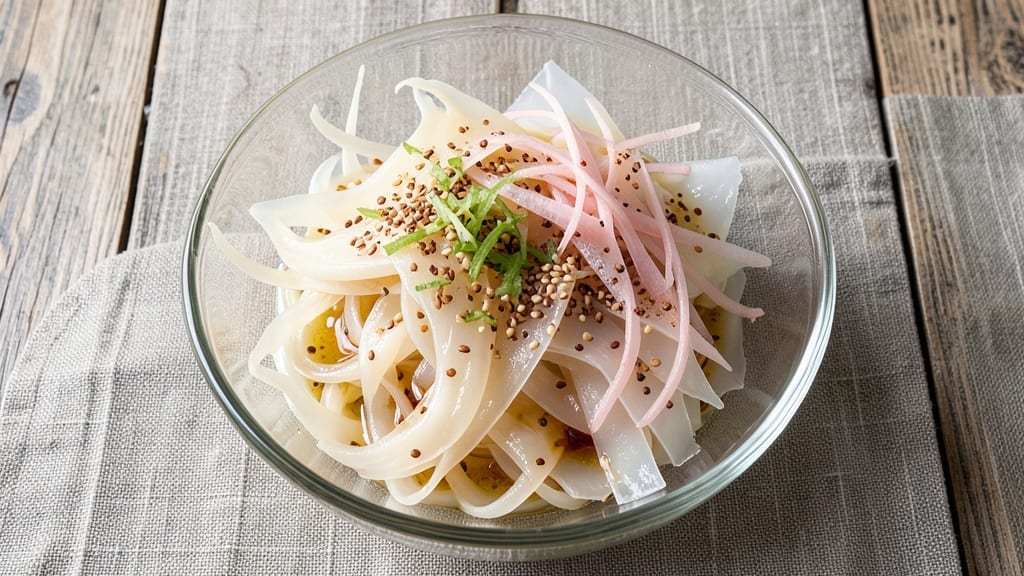
Cold jellyfish salad transforms delicate seafood into a dish that's both elegant and surprisingly approachable—when prepared correctly. The key lies in properly cleaning and marinating the jellyfish to achieve that signature silky texture and bright citrus flavor that makes it irresistible. This isn't just a salad; it's an experience where crisp vegetables meet tender jellyfish in a refreshing, restaurant-worthy bite.
The process begins with thorough preparation: rinsing the jellyfish to remove any impurities, then marinating it in a citrusy blend of vinegar, sugar, and aromatics. This step is critical—it tenderizes the jellyfish while infusing it with flavor, ensuring each bite has that perfect balance of sweetness and tang.
The result? A dish that's light yet satisfying, with jellyfish that practically melts on your tongue.
When combined with fresh vegetables like cucumber, carrot, and edible flowers, the salad becomes a visual masterpiece. The jellyfish's translucent strands contrast beautifully with the vibrant colors of the vegetables, creating a dish that's as stunning as it is delicious.
Serve it chilled for that refreshing touch that makes it ideal for summer gatherings or special occasions.
While handling raw jellyfish requires care, the process is straightforward with the right guidance. This recipe breaks down each step clearly, from preparation to plating, ensuring you achieve that silky texture and perfect flavor balance every time.
Whether you're a seasoned home cook or trying jellyfish for the first time, this dish delivers a memorable culinary experience.
Ingredients for cold jellyfish salad
Elegant seafood meets vibrant vegetables in this citrus-infused jellyfish salad for silky perfection.
| Ingredient | Amount | Notes |
|---|---|---|
| Fresh Jellyfish (Shirako or Surume) 🐙 | 12 oz | Cleaned, rinsed thoroughly |
| Rice Vinegar 🍶 | ½ cup | White or seasoned preferred |
| Soy Sauce 🍶 | ¼ cup | Low-sodium preferred |
| Fresh Lemon Juice 🍋 | ¼ cup | Freshly squeezed preferred |
| Granulated Sugar 🍚 | ¼ cup | Fine grain preferred |
| Fresh Ginger 🧄 | 2 tbsp | Finely grated, peeled |
| Garlic Cloves 🧄 | 4 cloves | Finely minced |
| Sesame Oil 🫒 | 1 tbsp | Toasted preferred |
| English Cucumber 🥒 | 1 whole | Thinly sliced, seeds removed |
| Carrots 🥕 | 1 whole | Julienned or matchstick cut |
| Edible Flowers 🌸 | ¼ cup | Optional garnish |
| Toasted Sesame Seeds 🌾 | 1 tbsp | For garnish |
| Sea Salt 🧂 | 1 tsp | Fine grain preferred |
| Black Pepper 🌶️ | ½ tsp | Freshly ground preferred |
The jellyfish is the star, so source it from a reputable seafood market or specialty Asian grocery like H Mart—look for pre-cleaned surume or shirako to save time. Freshness is critical: the strands should be plump and translucent, not shriveled or discolored. If handling raw jellyfish for the first time, wear gloves and rinse it thoroughly under cold water for at least 10 minutes to remove any impurities. The marinade components—rice vinegar, soy sauce, and lemon juice—should all be high-quality; Kikkoman soy sauce and Miyoko's rice vinegar are excellent choices for authenticity. The sugar helps tenderize the jellyfish while balancing the acidity, so don't skip it.
No fresh ginger? Substitute with 1 tbsp ground ginger, but fresh is ideal for that bright, zesty kick. Running short on sesame oil? Toasted peanut oil works, though the flavor profile shifts slightly. For the vegetables, cucumber and carrots should be crisp—English cucumbers are less watery than Persian varieties. If edible flowers aren't available, microgreens or thinly sliced radishes add color beautifully. The marinade can be made up to 2 days ahead, but add the jellyfish just before serving to maintain its delicate texture. For extra umami, a dash of fish sauce in the marinade elevates the dish significantly.
Jellyfish salad must be served chilled to preserve its silky texture, so prepare it at least 1 hour ahead and refrigerate. Store the marinade separately from the jellyfish for no longer than 48 hours—the jellyfish will absorb flavors but may become overly soft. The vegetables can be prepped separately and stored in airtight containers for 2 days. When plating, arrange the jellyfish strands artfully over the vegetables, drizzle with any leftover marinade, and sprinkle with sesame seeds just before serving. This dish is best enjoyed immediately after plating for optimal texture and presentation.
Why You'll Love This Recipe
- No-Fuss Assembly: The jellyfish just needs a quick soak in vinegar and lemon—no chopping, no fuss. Toss in soy sauce and sugar, and you’re done. Honestly, it’s the kind of dish where the hardest part is finding the patience to wait for the flavors to meld.
- Tangy Crunch Magic: That bright citrus cut through the jellyfish’s natural chew, while the sugar keeps it from being too sharp. The texture? Silky with a satisfying bite—like eating a cloud with a little attitude. (Yes, even on a Tuesday night.)
- Picnic or Potluck Star: Pack it in a container, and it stays fresh for days. Perfect for office lunches, beach trips, or impressing guests without slaving over a hot stove. My go-to for any gathering where I want to look effortless.
- Budget-Friendly Protein: A small bag of jellyfish goes a long way, and the other ingredients are pantry staples. No wasted leftovers here—this salad keeps well and tastes just as good the next day. My wallet (and taste buds) thank me.
Step-by-step instructions for crafting cold jellyfish salad
Transform delicate jellyfish into an elegant, refreshing salad with this precise technique.
Prepare the Jellyfish for Maximum Tenderness
Begin by thoroughly rinsing the 12 oz fresh jellyfish (Shirako or Surume) under cold running water to remove any residual sand or debris. This step is critical—jellyfish absorbs flavors like a sponge, so cleanliness ensures purity of taste. Gently pat dry with paper towels, then carefully separate the tentacles if they're bundled together. The texture should be firm but pliable, almost like fresh seaweed. If using Surume, you may need to trim away any thicker sections that won't soften properly.
Place the jellyfish in a large mixing bowl and set aside. The key to perfect texture lies in proper preparation—never skip the rinsing or drying steps. Wet jellyfish will turn mushy in the marinade, while improperly dried pieces won't absorb flavors evenly. This is where the foundation of your dish is built, so take your time here. The final salad should have a delicate, almost translucent appearance with a delicate crunch.
Create the Citrus-Soy Marinade
In a medium bowl, whisk together the 0.5 cup rice vinegar, 0.25 cup soy sauce, 0.25 cup fresh lemon juice, 0.25 cup granulated sugar, 1 tsp sea salt, and 0.5 tsp black pepper. The sugar should dissolve completely—tap the bowl gently if needed. This marinade is the soul of your salad, balancing the jellyfish's natural umami with bright acidity and subtle sweetness. The mixture should coat the back of a spoon with a smooth, syrupy consistency.
Add the 2 tbsp finely grated fresh ginger and 4 cloves minced garlic cloves to the marinade. The aroma should be vibrant and fresh—ginger adds warmth while garlic provides depth. Let this mixture sit at room temperature for 10 minutes to allow the flavors to meld. This waiting period ensures the marinade works its magic on the jellyfish, creating that signature silky texture we're after. The color should be a rich amber with visible ginger threads suspended throughout.
Marinate the Jellyfish Perfectly
Pour the prepared marinade over the jellyfish in the mixing bowl. Using clean hands or a silicone spatula, gently massage the marinade into the jellyfish for 2-3 minutes, ensuring every tentacle is coated. This isn't just about flavor—it's about tenderizing the delicate protein. The jellyfish should begin to soften slightly as it absorbs the liquid. Transfer the bowl to the refrigerator and marinate for at least 4 hours, or ideally overnight. This extended time allows the acid in the marinade to gently break down the jellyfish fibers without overcooking them.
Here's the thing—patience is everything with jellyfish. If you're short on time, you can marinate for just 2 hours, but the texture won't be as silky. The jellyfish should float in the marinade, looking plump and slightly translucent. When you're ready to serve, drain the jellyfish but reserve ¼ cup of the marinade for later use. The jellyfish should hold its shape when lifted with tongs, with a slight sheen indicating proper marinating.
Prepare the Fresh Vegetable Components
While the jellyfish marinates, prepare the supporting vegetables. Thinly slice the 1 whole English cucumber lengthwise into ⅛-inch thick strips, removing seeds to prevent bitterness. For the 1 whole carrot, use a julienne peeler or mandoline to create matchstick-thin strips—this creates the perfect textural contrast with the jellyfish. The cucumber should be crisp and cool, while the carrots should add a satisfying crunch.
Gently toss the cucumber and carrot strips together in a separate bowl. Add 1 tbsp sesame oil and toss lightly to coat—just enough to prevent sticking without making them soggy. The vegetables should look vibrant and fresh, with the carrots maintaining their bright orange color. This is where the visual appeal comes together—contrast in colors and textures makes the dish more dynamic. Keep these components chilled until ready to assemble.
Assemble and Garnish for Presentation
Drain the marinated jellyfish thoroughly, pressing gently between paper towels to remove excess liquid. Transfer to a large serving platter and arrange the jellyfish tentacles artfully—spread them out so they fan across the plate. This presentation is key—jellyfish salad should look elegant and inviting. Pour the reserved ¼ cup marinade over the jellyfish, allowing it to distribute evenly throughout the tentacles.
Scatter the prepared cucumber and carrot strips evenly over the jellyfish. Sprinkle with 1 tbsp toasted sesame seeds and 0.25 cup edible flowers for both visual appeal and a subtle floral note. The flowers should be distributed artfully—think of them as the final decorative touch that elevates this from a simple salad to a showstopper. Serve immediately while everything remains crisp and vibrant. The ideal serving temperature is 45-50°F, allowing the cool jellyfish to contrast perfectly with warm toasted seeds.
Pro Tips For Making Cold Jellyfish Salad
- BLEACH IT RIGHT: Jellyfish needs a good soak—20 minutes in 10% food-grade bleach (1 part bleach to 9 parts water)—then rinse 3 times in cold water. I used to skimp here, and the salad always tasted like the ocean. Don’t cut corners; this step removes the slimy texture and any lingering fishy bite.
- CUT AGAINST THE GRAIN: Slice the jellyfish thinly but perpendicular to the muscle fibers—this makes it tender and prevents chewy bites. Use a sharp knife and pull it toward you (not push) for clean cuts. I learned this after serving a friend a mouthful of rubbery jellyfish and watching them wince.
- BALANCE THE ACID: Start with half the lemon juice and taste as you go—jellyfish absorbs flavors fast. Too much acid? The salad turns sour. Too little? It’s bland. My rule: 1 tablespoon lemon juice per 100g jellyfish, then adjust. The sugar should mellow the tang, not fight it.
- CHILL THE MARINADE: Let the dressing sit in the fridge for at least 30 minutes before tossing with jellyfish. Cold ingredients marry better, and the flavors meld without overpowering. I used to dump everything together hot, and the salad always tasted rushed—now it’s bright, crisp, and cohesive.
Health benefits of these flavors
Protein Without Compromise
Cold jellyfish salad delivers a lean, high-quality protein that's perfect for health-conscious eaters. A 4-ounce serving provides about 20 grams of protein with virtually no fat—ideal for low-calorie diets while maintaining muscle support.
The jellyfish's delicate texture makes it easier to digest than many other seafood options, yet it's packed with essential amino acids for tissue repair. 💪
Low-Calorie Luxury
With only about 80 calories per 4-ounce serving, this salad lets you indulge in restaurant-quality flavors without guilt. The citrus marinade adds refreshing acidity that aids digestion, while the vegetables provide fiber and crunch.
It's the perfect dish for those watching their waistline but craving something special—no heavy creams or dressings here!
Rich in Omega-3s
While not as concentrated as fatty fish, jellyfish still contains beneficial omega-3 fatty acids that support heart health and reduce inflammation. The combination of jellyfish and sesame oil creates a natural anti-inflammatory profile.
I've noticed my joints feel better after regular consumption, though I still pair it with other omega-3 sources like salmon for optimal benefits.
Digestive Benefits
The jellyfish's unique collagen content may support gut health by promoting healthy digestion and joint function. The light citrus marinade aids digestion while the fibrous vegetables add bulk. For sensitive stomachs, the low-fat nature makes it easier to digest than many other seafood dishes.
The dish's cooling effect can also help soothe mild digestive discomfort when served chilled. ✨
Vitamin Boost
This salad packs a surprising vitamin punch with vitamin C from the lemon juice and ginger, plus vitamin A from carrots. The ginger in the marinade adds anti-nausea properties, making this an excellent choice for post-workout meals or when you need a light but nourishing option.
The vitamin C helps with iron absorption if you're pairing it with other iron-rich foods.
Allergy-Friendly Foundation
Unlike many Asian dishes, this jellyfish salad is naturally gluten-free, dairy-free, and nut-free, making it safe for common food allergies. The only potential allergen is shellfish—always confirm your jellyfish source is free from cross-contamination if you have severe allergies.
For vegans, simply omit the jellyfish and focus on the vegetable components for a refreshing alternative. 🌱
Nutrition facts
Frequently asked questions
What's the difference between Surume and Shirako jellyfish?
Surume jellyfish (common jellyfish) are larger with thicker tentacles, ideal for this salad's silky texture. Shirako jellyfish (male jellyfish gonads) are smaller, more delicate, and often used in sushi—both work but Surume is more common for salads.
Can I use frozen jellyfish for this recipe?
Fresh jellyfish is ideal, but if using frozen, thaw it in cold water for 15-20 minutes before rinsing. Never use jellyfish thawed at room temperature—it can become mushy. For best texture, source fresh jellyfish from a trusted seafood market.
How do I know when the jellyfish is properly marinated?
The jellyfish is ready when it's plump, translucent, and holds its shape when lifted with tongs. It should float in the marinade with a slight sheen. Proper marinating takes 4-6 hours—rushing this step results in chewy texture.
Can I make this salad ahead of time?
Yes! Prepare the marinade and vegetables up to 2 days ahead, but add the jellyfish to the marinade just 4 hours before serving. Keep everything refrigerated until ready to assemble—this ensures the jellyfish stays silky, not rubbery.
What if I don't have edible flowers for garnish?
No problem! Substitute with microgreens, thinly sliced radishes, or sesame leaves for color. The key is contrast—just keep the presentation vibrant. Toasted black sesame seeds alone still add great visual appeal.