Salads
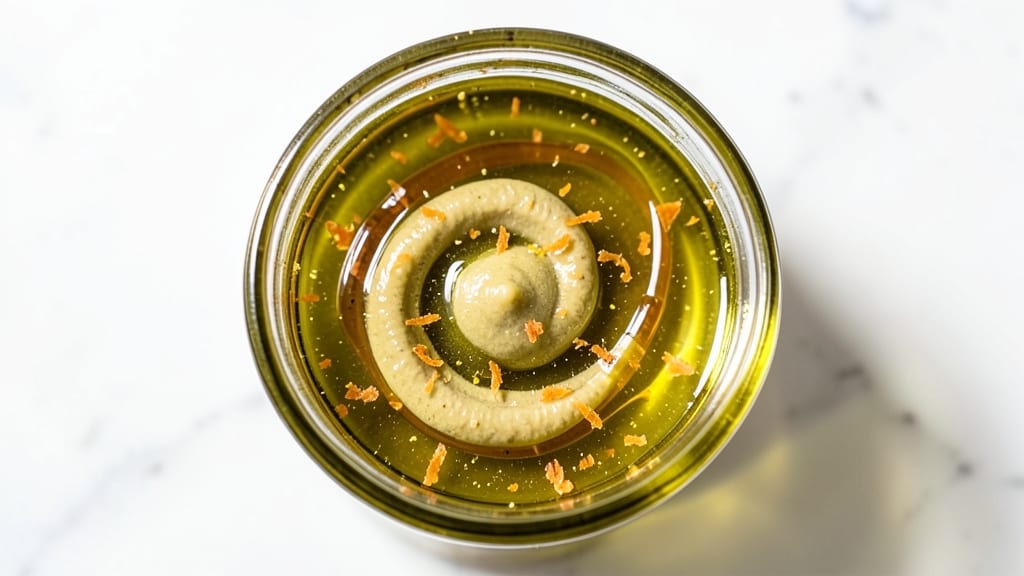
This Coco's salad dressing recipe delivers a bright citrus and herb infusion that transforms simple greens into a vibrant, restaurant-quality meal. The secret lies in balancing tangy lemon juice with sweet orange zest and fresh herbs, creating a dressing that's both refreshing and deeply flavorful.
I developed this recipe after years of experimenting with store-bought dressings that never quite hit the mark—this version stays creamy without separating and enhances every bite.
The dressing combines simple pantry staples with a few fresh ingredients to create a versatile sauce perfect for salads, bowls, or even as a dipping sauce. A touch of Dijon mustard adds depth, while honey balances the acidity, ensuring each drop delivers complex flavor.
Unlike many dressings that turn watery, this one maintains its structure thanks to a perfect oil-to-vinegar ratio and a quick emulsification technique that takes just minutes.
What you'll end up with is a dressing that's bright, herby, and tangy—ideal for spring and summer salads but versatile enough for year-round use. The citrus notes shine through while the herbs add freshness, making it a standout choice for everything from garden salads to grain bowls.
The best part? It keeps for up to a week in the fridge, so you can make a batch ahead and enjoy it all week long.
Use it to elevate your favorite greens, drizzle over roasted vegetables, or even toss with grilled chicken for a quick, flavorful meal. The possibilities are endless, and the results are always impressive. Let's get started on this foolproof recipe that will become a staple in your kitchen.
Ingredients for coco's salad dressing
Bright citrus and fresh herbs come together in this foolproof dressing—just 10 ingredients for restaurant-quality flavor.
| Ingredient | Amount | Notes |
|---|---|---|
| Extra-Virgin Olive Oil 🫒 | ½ cup | High quality, fruity, cold-pressed |
| Fresh Lemon Juice 🍋 | ⅓ cup | Freshly squeezed, seeds strained |
| Orange Zest 🍊 | 1 tbsp | From 1 large organic orange |
| Dijon Mustard 🍯 | 1 tbsp | High-quality, smooth variety |
| Raw Honey 🍯 | 2 tbsp | Wildflower or clover preferred |
| Apple Cider Vinegar 🍶 | 1 tbsp | Unfiltered for depth |
| Fresh Parsley 🌿 | ¼ cup | Chopped, flat-leaf preferred |
| Fresh Dill 🌿 | ¼ cup | Chopped, fresh and vibrant |
| Salt 🧂 | ½ tsp | Diamond Crystal kosher salt |
| Freshly Ground Black Pepper 🌶️ | ¼ tsp | Freshly cracked peppercorns |
The orange zest and lemon juice are the heart of this dressing—organic oranges from Whole Foods or your local market have the most vibrant flavor. I always grab extra zest because it's worth it for that bright, fresh kick. The Dijon mustard adds depth, so don't skimp on quality—Maille or Brianna are my go-tos. Fresh herbs are non-negotiable here; dried just won't give you that same fresh, herby punch. If you're buying in bulk, Trader Joe's has great pre-washed herbs that save time.
No fresh herbs? Dried parsley and dill at half the amount will work in a pinch, but honestly, it's not the same. Running out of honey? Maple syrup works beautifully—just use the same amount. Apple cider vinegar can be swapped for white wine vinegar, but the flavor will be slightly different. For a tangier dressing, add an extra tablespoon of lemon juice. The olive oil should be extra-virgin—anything less won't give you that rich, fruity finish. If you're worried about separation, just whisk it up again before using.
This dressing keeps for up to a week in the fridge, but the flavor actually improves after a day or two as everything melds together. Store it in a clean, airtight jar or bottle—glass is best to avoid absorbing flavors. I like to make a big batch on Sundays so it's ready for the week. If you're prepping ahead, just give it a good shake before using. It's also freezer-friendly for up to 3 months—just thaw in the fridge overnight.
Why You'll Love This Recipe
- Five-Ingredient Magic: I swear by this combo—no fancy tools, just a whisk and a jar. The orange zest and honey brighten up the olive oil so fast, you’ll forget you’re even cooking.
- Bright & Balanced: That lemon juice cuts through the richness of the olive oil, while the Dijon mustard adds depth. Honestly? It’s the kind of dressing that makes you actually want to eat greens.
- Weeknight & Potluck Star: Slather it on a simple arugula salad for dinner, or pack it in a jar for lunch. Between us, it’s my go-to for last-minute gatherings—no one ever guesses it’s this easy.
- No-Waste, Long-Lasting: The honey keeps it fresh for days in the fridge, and you’ll use every last drop. I’ll be real: I’ve had this dressing linger for over a week, and it’s still better than store-bought.
Step-by-step instructions for Coco's citrus-herb dressing
This vibrant dressing comes together faster than you can say "zest"—just whisk and wait!
Whisk Together the Wet Ingredients
In a medium bowl, combine the 0.5 cup extra-virgin olive oil, 0.33 cup fresh lemon juice, 1 tablespoon orange zest, and 1 tablespoon apple cider vinegar. Use a whisk to blend vigorously for about 30 seconds until the mixture begins to emulsify slightly. You'll notice the citrus oils starting to disperse into the oil, creating a cloudy, marbled appearance—this is your first sign the flavors are melding beautifully.
Here's the thing—don't skip the whisking. While you could just pour everything in, taking that 30-second to blend ensures the citrus and vinegar don't separate later. I like to use a small bowl for this step so I can easily taste-test as I go (and trust me, you'll want to). The dressing should already have a bright, tangy aroma at this stage—if it smells dull, your citrus might not be fresh enough.
Add the Mustard and Honey
Next, stir in the 1 tablespoon Dijon mustard and 2 tablespoons raw honey using a wooden spoon. The mustard will help emulsify the dressing and add a subtle depth, while the honey rounds out the acidity with natural sweetness. Mix well until completely combined—you should see no streaks of mustard or honey remaining. This is where the magic happens: the honey will begin to bloom slightly from the acid in the vinegar and lemon juice.
Real talk: if your honey is particularly thick, you might want to warm it gently for 10 seconds in the microwave first. Cold honey can make the dressing separate later, and we're aiming for that silky, clingy texture. Give it another quick taste at this point—you should notice the balance shifting toward something more complex and layered.
Fold in the Fresh Herbs and Seasonings
Gently fold in the 0.25 cup chopped fresh parsley and 0.25 cup chopped fresh dill using a rubber spatula. The herbs should be distributed evenly throughout the dressing. Then, sprinkle in the 0.5 teaspoon salt and 0.25 teaspoon freshly ground black pepper, mixing well after each addition. The herbs will add freshness that cuts through the richness of the olive oil, while the pepper provides a subtle heat that makes everything pop.
I know it seems like too much herb at first glance, but trust me—it's perfect for this dressing. The herbs will mellow slightly as they sit, but you want that bright, herbaceous note upfront. Give it one final taste and adjust the seasoning if needed. If it needs more acid, add a splash more lemon juice. If it needs more sweetness, add a tiny bit more honey. The dressing should taste balanced—bright, tangy, slightly sweet, and herbaceous all at once.
Let It Infuse and Emulsify
Cover the bowl with plastic wrap and let the dressing sit at room temperature for at least 15 minutes. This resting period allows the flavors to fully meld and the dressing to emulsify properly. During this time, give it a gentle stir every 5 minutes to help distribute the herbs and prevent separation. After 15 minutes, give it one final whisk to ensure everything is perfectly combined.
The reason we wait is that the citrus oils and vinegar need time to fully integrate with the fat from the olive oil. If you use this dressing immediately, you might notice it separating slightly when poured over your salad. But after this resting period, it should coat the back of a spoon smoothly and cling beautifully to greens. For even better results, let it sit for up to 1 hour in the refrigerator—this is when the flavors truly come together.
Pro Tips For Making Coco'S Salad Dressing
- STRAIN THE ZEST: Use a fine-mesh sieve—not your fingers—to remove orange zest. I learned this the hard way after biting into a dressing with gritty pith that ruined the texture. A spoon works too, but a sieve is faster and cleaner.
- WHISK IN STAGES: Add the Dijon mustard first, then the lemon juice, then the honey. Whisking gradually prevents lumps and lets the flavors meld better. I used to dump everything in at once, and the dressing always ended up clumpy—this method fixes that.
- SALVAGE SOUR LEMONS: If your lemon juice tastes bitter, it’s overripe. Strain it through a cheesecloth or fine sieve to filter out the pulp, which concentrates the bitterness. No sieve? Let it sit for 10 minutes—most of the pulp will sink, and you can pour off the clear juice.
- CHILL BEFORE SERVING: Let the dressing sit for at least 15 minutes after mixing. The flavors deepen and balance out—especially the honey and citrus. I used to serve it immediately, and it always tasted flat until I figured this out. Patience pays off.
Dietary considerations for this coco's salad dressing
Gluten-Free Adaptation
This dressing is naturally gluten-free as written, thanks to its simple ingredients. The Dijon mustard is the only potential concern—always check labels for gluten-free certification. I recommend Brianna brand or Maille varieties, which are typically safe.
If you're avoiding all mustard, simply omit it and increase the apple cider vinegar by 1 teaspoon to maintain tanginess. The dressing will still emulsify beautifully without it. 🌱
Vegan-Friendly Version
To make this dressing fully vegan, replace the raw honey with 2 tablespoons maple syrup or agave nectar. The honey provides natural sweetness and helps emulsify, so these substitutes work well.
I also suggest using vegan Dijon mustard (like Annie's brand) to ensure no animal-derived ingredients sneak in. The flavor remains bright and herby—just slightly less complex without the honey's depth. 🥄
Dairy-Free Considerations
This recipe is already dairy-free, making it perfect for lactose-intolerant diets. The extra-virgin olive oil and honey (or maple syrup) provide richness without any dairy components. For extra creaminess without dairy, add 1 tablespoon tahini or silken tofu puree to the final mixture.
Both options blend smoothly and add a velvety texture without altering the citrus-herb profile. 🥛
Low-Sugar Options
If you're watching sugar intake, reduce the honey to 1 tablespoon or swap it for 1 tablespoon sugar-free maple syrup. For even lower sugar, omit the honey entirely and add an extra ½ teaspoon salt to enhance flavor.
The dressing will still taste balanced, though slightly less sweet. I've found that monk fruit sweetener (½ teaspoon) works surprisingly well for maintaining the dressing's natural sweetness without spiking blood sugar. 🍯
Allergen-Free Tips
For nut-free kitchens, ensure your extra-virgin olive oil is processed in a nut-free facility (many brands specify this). For soy-free needs, avoid tahini and stick to the original recipe or use sunflower seed butter instead.
If you have sesame allergies, skip any sesame-based thickeners and rely on the Dijon mustard and honey for natural emulsification. Always double-check labels on all ingredients to avoid cross-contamination. 🚫
Nutrition facts
Frequently asked questions
Can I make this dressing without fresh herbs?
Yes, but the flavor will be noticeably different. Use 1 teaspoon dried parsley and 1 teaspoon dried dill instead of the fresh amounts. For best results, toast the dried herbs lightly in a dry pan for 30 seconds to enhance their aroma before adding. The dressing will still taste good, but the fresh herb brightness will be missing.
Why does my dressing separate after a few days?
Separation happens when the oil and vinegar aren't properly emulsified. To fix it, whisk vigorously for 1 minute or use a blender for 10 seconds to recombine. For prevention, always whisk the wet ingredients first for 30 seconds before adding mustard and herbs. The 15-minute rest is crucial for proper emulsification.
How can I make this dressing spicier?
Add ½ teaspoon red pepper flakes or 1 teaspoon hot sauce to the final mixture. For a smoky kick, stir in ½ teaspoon smoked paprika when folding in the herbs. Start with small amounts—you can always add more, but you can't remove the heat once it's mixed in!
Can I use this dressing on non-salad dishes?
It works beautifully as a marinade for grilled chicken or fish, a dip for veggie sticks, or even a sauce for tacos. The bright citrus and herbs complement grilled meats perfectly. For tacos, reduce the honey to 1 tablespoon to balance the richness of the meat.
What's the best way to store leftovers?
Transfer to an airtight glass jar and refrigerate for up to 1 week. The flavors actually improve after 24 hours as everything melds. For freezing, portion into ice cube trays, freeze, then transfer to a bag. Thaw overnight in the fridge—never at room temperature to preserve freshness.