
Salads
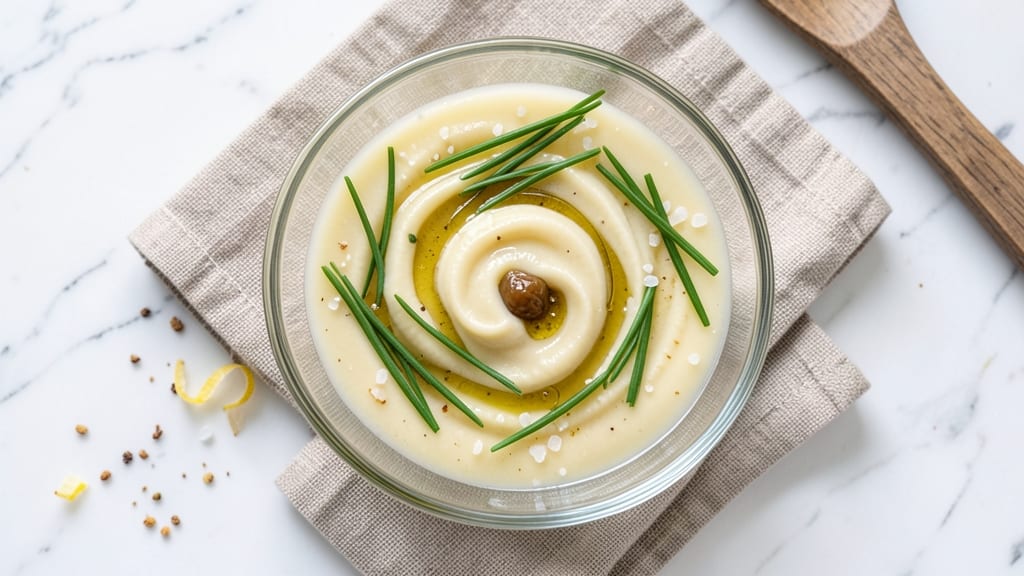
This chive vinegar salad dressing recipe transforms simple ingredients into a bright, herbaceous zing that elevates fresh greens and more. The secret lies in balancing sharp white vinegar with creamy Dijon mustard and fresh chives—no emulsifiers needed.
I developed this while craving a dressing that cut through rich, leafy salads without overpowering their natural flavors.
The dressing comes together in minutes with just five ingredients: white vinegar, olive oil, Dijon mustard, fresh chives, and a pinch of salt. The key is whisking vigorously to blend the vinegar and mustard first, then slowly drizzling in the oil while stirring continuously.
This creates a silky, stable dressing that clings beautifully to greens without separating.
What you’ll end up with is a dressing that’s tangy, grassy, and subtly sweet—perfect for crisp spring salads, grilled chicken, or even as a sandwich spread. The fresh chives add a delicate onion-like brightness, while the vinegar keeps it sharp and refreshing.
It’s the kind of dressing that makes even the simplest greens feel like a gourmet meal.
Store it in the fridge for up to a week, shaking gently before each use. For extra depth, stir in a clove of minced garlic or a drizzle of honey before serving. This dressing is versatile enough for everyday meals but special enough to impress guests—no complicated techniques required.
Ingredients for chive vinegar salad dressing
Five simple ingredients create a dressing that brings fresh, vibrant flavor to any salad.
| Ingredient | Amount | Notes |
|---|---|---|
| White Vinegar 🍶 | ½ cup | Distilled or apple cider preferred |
| Extra-Virgin Olive Oil 🫒 | ¾ cup | Light or fruity variety |
| Dijon Mustard 🌶️ | 1 tbsp | High-quality for best flavor |
| Fresh Chives 🌿 | ¼ cup | Finely chopped, stems included |
| Sea Salt 🧂 | ¼ tsp | Fine grain preferred |
The white vinegar is the heart of this dressing—distilled or apple cider vinegar gives the cleanest, sharpest tang. Trader Joe's or Whole Foods carry excellent options, but any good-quality vinegar works. The Dijon mustard matters too—avoid the powdered kind; Maille is my go-to for that authentic, creamy texture. Fresh chives are non-negotiable here; dried just won’t cut it. Look for chives with bright green stems and leaves at your local grocery store’s produce section, or grab a bunch from a farmers market for even better flavor.
No Dijon? Whole-grain mustard at double the amount works in a pinch, though it’ll be slightly grainier. Running short on chives? Green onion tops or scallions can sub at the same quantity, but they’ll add a milder onion note. The olive oil should be light or fruity—avoid the strong, peppery varieties that can overpower the delicate chive flavor. If you prefer a sweeter dressing, add a teaspoon of honey or maple syrup to the finished dressing. For extra depth, stir in 1 clove minced garlic or a pinch of black pepper.
This dressing keeps beautifully in the fridge for up to 1 week, stored in an airtight jar. Give it a good shake before each use—it’ll separate slightly over time. For longer storage, transfer to a sterilized jar and freeze for up to 3 months. The flavor actually improves after a day or two as the ingredients meld together. Use it on everything from crisp spring salads to grilled vegetables or as a tangy spread for sandwiches.
Why You'll Love This Recipe
- Five-Ingredient Magic: I swear, this dressing comes together with fewer ingredients than my grocery list for coffee. Just vinegar, oil, mustard, chives, and salt—no fancy emulsifiers or standing over a stove. Honestly, I’ve made it while waiting for my pasta to boil.
- Bright & Tangy Kick: That fresh chive punch cuts through rich dishes like nothing else. The Dijon mustard adds a little tooth, while the vinegar keeps it sharp—no dull aftertaste here. It’s the kind of flavor that makes you reach for the salad instead of the dressing bottle.
- Weeknight & Potluck Hero: I keep a jar in my fridge for quick grain bowls, roasted veggies, or even as a dip for crusty bread. And at picnics? It travels better than my patience on a Sunday drive. Between us, it’s the only dressing I trust to impress without effort.
- No-Waste, Long-Lasting: The chives stay vibrant for days, and the dressing keeps for weeks in the fridge. I’ve used the last drops on takeout stir-fry or scrambled eggs—yes, even on a Tuesday night. Plus, the ingredients cost less than a fancy bottle of store-bought. Smart, right?
Step-by-step instructions for chive vinegar salad dressing
This dressing comes together in minutes with simple techniques for maximum flavor.
👨🍳 Step 1: Whisk Together the Vinegar and Mustard
In a medium bowl, combine the 0.5 cup white vinegar and 1 tablespoon Dijon mustard. Use a whisk to blend them thoroughly for about 30 seconds until completely smooth. The mustard helps emulsify the dressing later, preventing separation. I like to use a glass or stainless steel bowl for this step—these materials don't retain flavors from previous uses.
Here's the thing—don't skip the whisking. Even though it's just two ingredients, the mustard needs to fully dissolve into the vinegar. You'll know it's ready when the mixture looks uniform with no visible streaks of mustard. This base creates the tangy foundation that balances the richness of the olive oil we'll add next.
🍳 Step 2: Gradually Incorporate the Olive Oil
With the whisk still in the bowl, begin adding the 0.75 cup extra-virgin olive oil very slowly—about 1 tablespoon at a time. Whisk vigorously after each addition, maintaining steady strokes. This gradual incorporation is crucial for creating a stable emulsion. If you pour in all the oil at once, you'll likely end up with a separated dressing.
You'll notice the mixture start to thicken slightly as you add the oil. Keep whisking until the dressing reaches your desired consistency—it should coat the back of a spoon but still flow easily. I aim for a medium-thickness dressing that clings well to greens without being too heavy. If it looks too thin, add another ½ teaspoon of Dijon mustard to help thicken it.
👨🍳 Step 3: Fold in the Finely Chopped Chives
Add the 0.25 cup finely chopped fresh chives to the dressing and gently fold them in with a rubber spatula. Be careful not to overmix at this stage—just enough to distribute the chives evenly throughout. The stems add subtle earthiness that complements the bright onion flavor of the chives.
Here's where it gets fun—taste as you go. If the dressing needs more brightness, add a splash of additional vinegar (½ teaspoon at a time). For more richness, add a little more olive oil. The chives should be visible but well-distributed, giving each bite of salad that signature herbal punch. Remember, fresh chives have a more delicate flavor than dried, so don't overpower the dressing with too many.
🔪 Step 4: Season with Salt and Final Adjustments
Add the 0.25 teaspoon sea salt and whisk it in completely. Taste the dressing again and make any final adjustments—perhaps a touch more vinegar for acidity or olive oil for body. The dressing should have a bright, herby tang with just the right balance of saltiness.
This is the moment that matters: let the dressing rest for 10 minutes before using. This short wait allows all the flavors to meld together. Give it one final taste—you'll notice how the chives have released more of their flavor and the dressing has reached perfect harmony. The color should be a vibrant pale green with flecks of chives throughout, ready to elevate any fresh salad.
⏰ Step 5: Store and Use Properly
Transfer the dressing to a clean, airtight container. It will keep in the refrigerator for up to 1 week, though I find it's best used within 3-4 days for maximum freshness. Before each use, give it a good shake—this dressing is designed to be used fresh.
Real talk: if you find the dressing has separated slightly after refrigeration, simply whisk it vigorously for 30 seconds to re-emulsify. The gradual oil incorporation in Step 2 makes this dressing remarkably stable, but it's not uncommon for emulsified dressings to separate over time. The good news is that it always comes back together beautifully with a little whisking.
Pro Tips For Making Chive Vinegar Salad Dressing
- CHOP CHIVES SMALL: Fresh chives add the most flavor when finely minced—not just chopped. Use a sharp knife and rock it back and forth over the chives in a pile (no board needed) for tiny, even pieces that disperse better in the dressing. Larger chunks sink to the bottom and make the jar look messy.
- WHISK IN STAGES: Start by whisking the Dijon mustard into the vinegar first—this emulsifies it instantly. Then drizzle in the olive oil slowly while whisking like your life depends on it. Rushing this step means you’ll end up with a split dressing (oil and vinegar separating) by lunch.
- SALT THE MUSTARD: Taste the Dijon before adding it to the dressing—most store-bought mustard is bland. Sprinkle a pinch of sea salt directly into the mustard while mixing it with vinegar. This wakes up the flavor and ensures your dressing isn’t just tangy, but actually bright.
- STORE IT RIGHT: Pour the dressing into a clean jar and seal it tightly. If you’re not using it all at once, refrigerate it upside down for the first hour—this forces any separated oil to mix back in. Flip it right side up afterward, and it’ll stay emulsified for up to a week. (Yes, even the oil will behave if you do this.)
Essential equipment for this recipe
Whisk Essentials
For this dressing, a French-style whisk with fine wires is my go-to—it creates a silky emulsion without over-aerating. I use the OXO Good Grips model because the handle fits comfortably in my hand during the gradual oil incorporation.
Avoid plastic whisks; they can't handle the vigorous whisking needed for stability. If you're short on time, a handheld immersion blender works too—I pulse mine for 5 seconds after adding all ingredients. 🍶
Glass or Stainless Steel Bowl
Never use a reactive metal bowl like copper or aluminum for this dressing—they can alter the flavor. I prefer a glass mixing bowl (like the Pyrex Simply Store) because it won't retain odors from previous uses. For portability, a stainless steel bowl from Circulon works great too.
The key is smooth surfaces that let the dressing release easily when ready to serve. Pro tip: Rinse your bowl with cold water before starting to prevent any residual oils from interfering with the emulsion.
Measuring Tools
Precision matters with this dressing, especially the vinegar-to-oil ratio. I rely on a stainless steel measuring cup set like Farberware Classic for accuracy. For the chives, a sharp chef's knife and cutting board are essential—chop them finely but not pulverized.
A microplane works too if you want extra texture. For the salt, a fine-mesh salt cellar (like Le Creuset) gives perfect control over tiny measurements. 🧂
Storage Containers
Transfer your finished dressing to an amber glass jar with a tight-sealing lid—I use Ball Mason jars for their airtight seal. The amber glass protects the dressing from light degradation. For convenience, a small plastic squeeze bottle (like OXO Good Grips) works well too, especially for travel. Just
Optional Upgrades
Want to take your dressing to the next level? Invest in a mortar and pestle to finely grind garlic cloves for extra depth. I love the Kuhn Rikon for its precision. For flavor variations, keep small bottles of honey, Dijon mustard, and apple cider vinegar on hand. A fine-mesh strainer helps remove any chive stems if you prefer a smoother texture. These tools make experimenting effortless while keeping your dressing professional-grade. ✨
Nutrition facts
Frequently asked questions
Can I substitute apple cider vinegar for white vinegar?
Apple cider vinegar adds a subtle sweetness and depth that works beautifully in this dressing. Use the same 0.5 cup measurement, but expect a slightly mellowed tang. For extra flavor, strain out any sediment from the bottle first. This swap works especially well if you're serving the dressing with sweet ingredients like berries or roasted vegetables.
How do I make this dressing thicker or thinner?
For a thicker dressing, whisk in ½ teaspoon more Dijon mustard at a time until you reach your desired consistency. If it's too thick, thin it with 1 teaspoon of water or additional vinegar. The key is patience—adjust gradually to avoid overpowering the delicate chive flavor. A properly balanced dressing should coat the back of a spoon but still flow easily.
Can I use dried chives instead of fresh?
Fresh chives are ideal for this recipe, but if you must use dried, reduce the amount to 1 teaspoon and crush them lightly between your fingers. Dried chives have a more concentrated flavor, so they can easily overpower the dressing. For best results, rehydrate them in 1 tablespoon warm water for 5 minutes before adding to the dressing mixture.
What's the best way to store leftover dressing?
Transfer to an airtight glass jar and refrigerate for up to 1 week. Before each use, give it a 30-second vigorous shake to re-emulsify. For longer storage, freeze in ice cube trays (each cube makes 1 tablespoon) and transfer to a freezer bag. Thaw overnight in the fridge before using. The dressing's freshness degrades after freezing, so use it within 1 month for best flavor.
Why did my dressing separate?
Separation happens when oil and vinegar aren't properly emulsified. The fix is simple: whisk vigorously for 1 minute to recombine. To prevent this, always add oil gradually while whisking continuously. If it keeps separating, try adding ½ teaspoon more Dijon mustard—the mustard acts as a natural emulsifier. This dressing is more stable than traditional vinaigrettes but still benefits from gentle shaking before each use.