
Salads
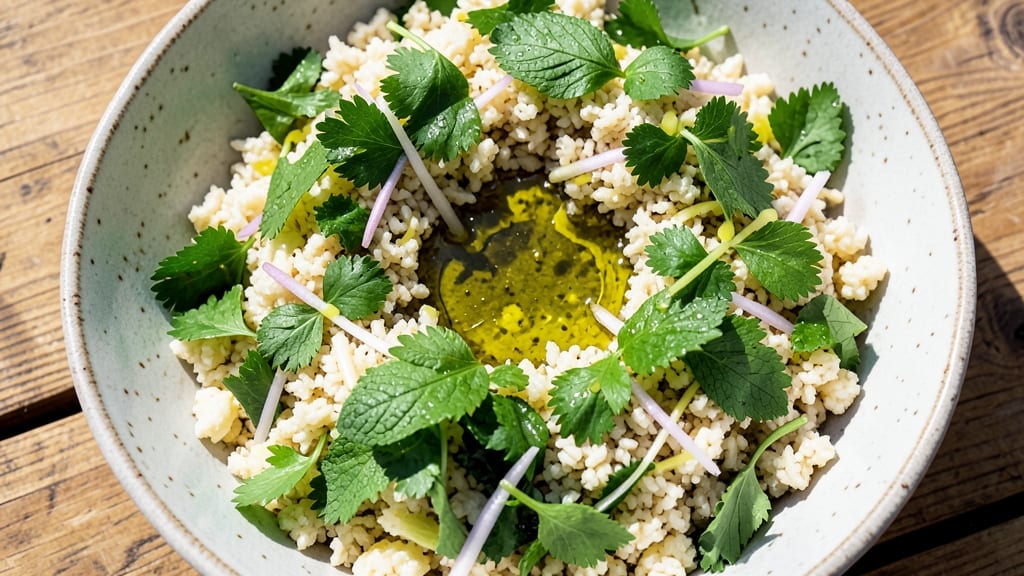
This cauliflower tabbouleh salad recipe transforms a classic Middle Eastern dish into a vibrant, grain-free masterpiece that’s just as satisfying. The secret lies in perfectly riced cauliflower that mimics bulgur’s texture while soaking up bright lemon, parsley, and mint—no grains required.
I developed this version after realizing how many people avoid traditional tabbouleh due to gluten concerns or dietary restrictions, and it delivers the same herb-packed freshness without compromise.
The technique is simple but critical: drain the cauliflower rice thoroughly after cooking to prevent a soggy salad, then toss it with finely chopped herbs while still warm. This ensures every bite has that signature crunch and herby brightness.
The dressing—a zesty lemon-garlic blend with olive oil—binds everything together while keeping it light enough to serve as a main dish or side.
What you’ll end up with is a salad that’s herb-forward, protein-rich, and endlessly adaptable—perfect for meal prep, potlucks, or a refreshing weeknight dinner.
The colors are vibrant, the flavors balanced, and the texture just right: tender cauliflower with crisp herbs and a tangy dressing that keeps it fresh for days. It’s the kind of dish that proves vegetarian meals can be bold, satisfying, and full of personality.
Serve it chilled as a side with grilled meats or fish, or pile it into bowls with avocado and chickpeas for a hearty main. For vegan adaptations, simply omit the optional feta and yogurt garnishes or use dairy-free alternatives. Here’s how to make it perfectly every time.
Ingredients for cauliflower tabbouleh salad
Herb-forward cauliflower rice replaces bulgur while keeping the dish vibrant and satisfying.
| Ingredient | Amount | Notes |
|---|---|---|
| Fresh Cauliflower 🥬 | 1 whole | Riced, drained thoroughly |
| Fresh Flat-Leaf Parsley 🌿 | 1 ½ cups | Stems removed, finely chopped |
| Fresh Mint Leaves 🍃 | ½ cup | Finely chopped, stems removed |
| Extra-Virgin Olive Oil 🫒 | ½ cup | Light, fruity variety preferred |
| Fresh Lemon Juice 🍋 | ¼ cup | Freshly squeezed, strained |
| Garlic Cloves 🧄 | 4 cloves | Minced, for dressing |
| Diamond Crystal Kosher Salt 🧂 | 1 ½ tsp | Adjust to taste |
| Freshly Ground Black Pepper 🌶️ | ½ tsp | Freshly cracked |
| Crumbled Feta Cheese 🧀 | ¼ cup | Optional, omit for vegan |
| Plain Greek Yogurt 🥛 | ¼ cup | Optional, omit for vegan |
| Cherry Tomatoes 🍅 | 1 cup | Halved, for garnish |
| Toasted Pine Nuts 🥜 | ¼ cup | Optional, for crunch |
The cauliflower is the star here—look for a fresh head with tight florets and no yellowing. Pre-riced cauliflower works in a pinch, but whole heads from Trader Joe's or Whole Foods yield the best texture. For ricing, pulse in a food processor until rice-sized, then boil for exactly 4 minutes to maintain structure. Drain thoroughly to prevent a soggy salad. Fresh herbs are non-negotiable: parsley and mint from the grocery store's refrigerated section should be bright green and crisp, not wilted. If using dried herbs, reduce to one-third the amount, but fresh delivers that signature brightness.
No fresh parsley? Cilantro or basil can substitute at equal amounts, though flavor will differ. Short on mint? Dried mint at one-quarter the amount works, but texture will be less vibrant. The lemon juice should be freshly squeezed—bottled lemon juice lacks brightness. For a vegan adaptation, omit the feta and yogurt or use vegan feta and coconut yogurt. The olive oil matters: light, fruity varieties from California or Spain complement the herbs best. Toasted pine nuts can be swapped for walnuts or almonds, but pine nuts offer the classic crunch. Cherry tomatoes add freshness—heirloom varieties from the farmers market elevate presentation.
Store the dressing separately in a sealed container for up to 5 days in the fridge. The cauliflower mixture keeps for 3 days if stored in an airtight container, but herbs will gradually lose their vibrancy. For meal prep, assemble the salad just before serving to preserve texture. Garnishes like pine nuts and tomatoes are best added fresh. Freezing isn't recommended due to texture changes, but the dressing can be frozen for 3 months if needed. Serve chilled for optimal flavor balance, and toss with a fork just before serving to redistribute the dressing.
Why You'll Love This Recipe
- No Rice, No Problem: I’ll be real—this is my go-to when I forget to buy bulgur. The cauliflower florets break down into that same satisfying texture, but with half the carbs and none of the fuss. Just pulse them in the food processor for 10 seconds, toss with parsley and mint, and—boom—no measuring, no soaking, just freshness.
- Citrus-Packed Zing: That lemon juice doesn’t just brighten it—it transforms it. The cauliflower soaks up the acid like a sponge, while the parsley and mint add layers of green that taste like summer in a bowl. Honestly, I’ve made this with regular tabbouleh before, but this version? It’s the one that gets finished first.
- Meal Prep MVP: Between us, this is my secret weapon for lunches. The flavors actually improve overnight (yes, really), and it holds up for days in the fridge. Pack it in jars, drizzle with extra olive oil before eating, and you’ve got a salad that’s still crisp and vibrant by Wednesday. No sad wilted greens here.
- Budget-Friendly Flex: Fresh herbs are pricey, but here’s the hack: use less mint (a little goes a long way) and bulk up the parsley. The cauliflower is the real MVP—it’s cheaper than bulgur, lasts longer, and stretches into sides, bowls, or even a quick stir-fry. I’ve fed four people for under $8 with this, and no one complains.
Step-by-step instructions for herb-packed cauliflower tabbouleh
Transform simple ingredients into a vibrant, grain-free tabbouleh that delivers bright Mediterranean flavors.
Rice and Drain the Cauliflower
Cut the 1 whole fresh cauliflower into florets and process in a food processor fitted with the grating disk until you achieve a rice-like texture. I like to pulse in batches for even consistency. Transfer the riced cauliflower to a clean kitchen towel and squeeze out all excess moisture—this is critical for preventing a soggy salad. The texture should resemble wet sand when squeezed firmly.
Spread the drained cauliflower on a baking sheet and let it air-dry for 5 minutes while you prepare the herbs. This extra step ensures maximum crispness in your final dish. Don't skip this drying time—it makes a noticeable difference in the salad's texture.
Prepare the Herb Mixture
Remove stems from the 1.5 cups fresh flat-leaf parsley and 0.5 cup fresh mint leaves, then finely chop both using sharp chef's knives. I like to stack the herbs and fold them in half before chopping for cleaner cuts. Transfer the chopped herbs to a large mixing bowl and set aside.
In a small bowl, whisk together the 0.5 cup extra-virgin olive oil, 0.25 cup fresh lemon juice, 4 minced garlic cloves, 1.5 teaspoons diamond crystal kosher salt, and 0.5 teaspoon freshly ground black pepper. The mixture should be emulsified and fragrant—this is your dressing foundation. Taste and adjust seasoning if needed, keeping in mind the herbs will add their own brightness.
Combine and Marinate the Salad
Add the drained cauliflower rice to the bowl with chopped herbs. Pour the dressing over the top and gently fold everything together using a large spoon. Be careful not to overmix—the herbs should remain visible for that classic tabbouleh appearance. Let the salad marinate for at least 15 minutes at room temperature to allow flavors to meld.
I like to give it a stir every 5 minutes during marinating to ensure even distribution of the dressing. The cauliflower will begin to soften slightly but should maintain its texture. For best results, prepare the salad 30 minutes before serving to allow maximum flavor development.
Assemble and Garnish
Transfer the marinated salad to a serving platter. Gently fold in the 0.25 cup crumbled feta cheese and 0.25 cup plain Greek yogurt (if using) just before serving to keep these ingredients fresh. The cheese should be evenly distributed throughout the salad for balanced flavor in each bite.
Garnish with 1 cup halved cherry tomatoes and 0.25 cup toasted pine nuts for added texture and visual appeal. The pine nuts should be toasted until golden and fragrant—just warm them in a dry skillet for 2-3 minutes until they release their aroma. Serve immediately while the herbs are at their peak freshness and the dressing remains vibrant.
Pro Tips For Making Cauliflower Tabbouleh Salad
- PULSE THE CAULIFLOWER: After chopping the florets into rice-sized pieces, microwave them for 2 minutes with a splash of water—just enough to soften the edges without turning them mushy. I used to skip this, but it cuts the parsley-to-cauliflower ratio you’ll need later, saving you from drowning the salad in greens.
- STACK THE HERBS: Pile chopped parsley and mint in a colander, then press down with a second colander or your palm. Let the stems drain for 5 minutes—this removes excess moisture that’ll make your dressing slide right off the cauliflower. Yes, it looks like overkill, but trust me, the texture stays bright.
- SALT THE CAULIFLOWER FIRST: Toss the raw cauliflower rice with ½ teaspoon of salt immediately after chopping. Let it sit for 10 minutes before adding anything else—this draws out bitterness and ensures the lemon and oil cling instead of pooling. I learned this the hard way when my first batch tasted like sad, bland rice.
- USE COLD LEMON JUICE: Chill the lemon juice in the fridge for 10 minutes before mixing—it emulsifies better with the olive oil and keeps the dressing from separating. Also, grab a microplane for the zest; fresh lemon zest adds citrusy punch without the mess of a grater. (Your future self will thank you.)
Serving suggestions for cauliflower tabbouleh salad
As a Side Dish
This cauliflower tabbouleh shines as a refreshing side when paired with grilled proteins like herb-crusted chicken or garlic shrimp. The bright lemon and herbs cut through rich flavors beautifully. I like to serve it alongside seared salmon or marinated lamb kebabs for a Mediterranean-inspired spread.
For a vegetarian platter, pair with roasted eggplant and hummus—the salad's texture contrasts perfectly with creamy dips. 🥗
Main Dish Potential
Make it a hearty meal by serving it in bowls with chickpeas (½ cup, rinsed) and diced avocado (1 medium). Add a sprinkle of toasted pumpkin seeds for extra crunch. I often serve this as a vegan main with a side of warm pita bread for scooping.
For extra protein, fold in white beans (1 cup, drained) before serving. The salad's vibrant flavors hold up well as a standalone dish when properly portioned.
Meal Prep Strategy
Prepare the dressing and cauliflower mixture separately to maintain texture. Store the dressing in a sealed container for up to 5 days and the cauliflower-herb mix in an airtight container for 3 days. When ready to serve, combine everything and garnish with fresh tomatoes and pine nuts.
For lunchboxes, portion into mason jars with dressing on the bottom and herbs on top—shake before eating to redistribute flavors. This keeps everything fresh for 3 days in the fridge. ❄️
Garnish Ideas
Elevate your presentation with these finishing touches: toasted pomegranate seeds add sweetness, edible flowers bring elegance, or crispy shallots provide depth. For a smoky twist, sprinkle with smoked paprika or crumbled za'atar.
I love adding thinly sliced radishes for a peppery crunch. Keep garnishes fresh by adding them just before serving—this ensures maximum flavor and visual appeal.
Dinner Party Presentation
Serve in a large ceramic bowl with a drizzle of extra-virgin olive oil and a sprinkle of flaky sea salt for a restaurant-worthy look. For a layered effect, arrange the salad in a glass trifle dish with alternating layers of herbs and cauliflower.
Garnish with whole sprigs of mint for a pop of color. Pair with chilled white wine like Sauvignon Blanc or Pinot Grigio to complement the citrusy flavors. The vibrant colors make it perfect for summer gatherings. 🍷
Vegan Adaptations
Skip the feta and yogurt, or use vegan feta (like Follow Your Heart) and coconut yogurt for creaminess. Boost protein with roasted chickpeas or crumbled tempeh. For extra richness, drizzle with tahini-lemon dressing (2 tbsp tahini + 1 tbsp lemon juice + 1 tbsp water).
The salad still delivers bold flavors while keeping it plant-based. I’ve served this vegan version at potlucks, and it’s always a crowd-pleaser. 💚
Nutrition facts
Frequently asked questions
Can I use pre-riced cauliflower instead of grating it myself?
Yes, but with a few caveats. Pre-riced cauliflower works in a pinch, but it often releases more moisture, so drain it thoroughly and squeeze out excess water with a clean kitchen towel. For best texture, look for fresh, frozen cauliflower rice that hasn't been pre-cooked—this gives you more control over the final consistency.
What if I don't have fresh mint or parsley?
No problem! For parsley, substitute with cilantro or basil at equal amounts, though flavor will differ slightly. For mint, use one-quarter the amount of dried mint or a pinch of mint extract (½ teaspoon) if absolutely necessary. The key is maintaining that herby brightness—just adjust seasoning to taste.
How do I prevent the salad from getting soggy?
Three critical steps:
- Drain the cauliflower rice thoroughly after cooking,
- Air-dry it for 5 minutes on a baking sheet, and
- Store components separately until ready to serve. The dressing should be added just before eating to maintain crispness. For meal prep, keep the dressing in a separate container and combine only when serving.
Can I make this salad ahead of time?
Prepare the dressing and cauliflower-herb mixture separately and store them in airtight containers for up to 3 days. Combine them just before serving to preserve texture. For garnishes like pine nuts and tomatoes, add them fresh to keep everything vibrant. This salad actually tastes better after flavors meld for 30 minutes at room temperature.
What's the best way to make this vegan?
Skip the feta and yogurt or use vegan feta (like Follow Your Heart brand) and coconut yogurt for creaminess. Boost protein by adding ½ cup chickpeas or ¼ cup crumbled tempeh. For extra richness, drizzle with tahini-lemon dressing (2 tbsp tahini + 1 tbsp lemon juice + 1 tbsp water). The salad remains packed with flavor while being completely plant-based.