
Salads
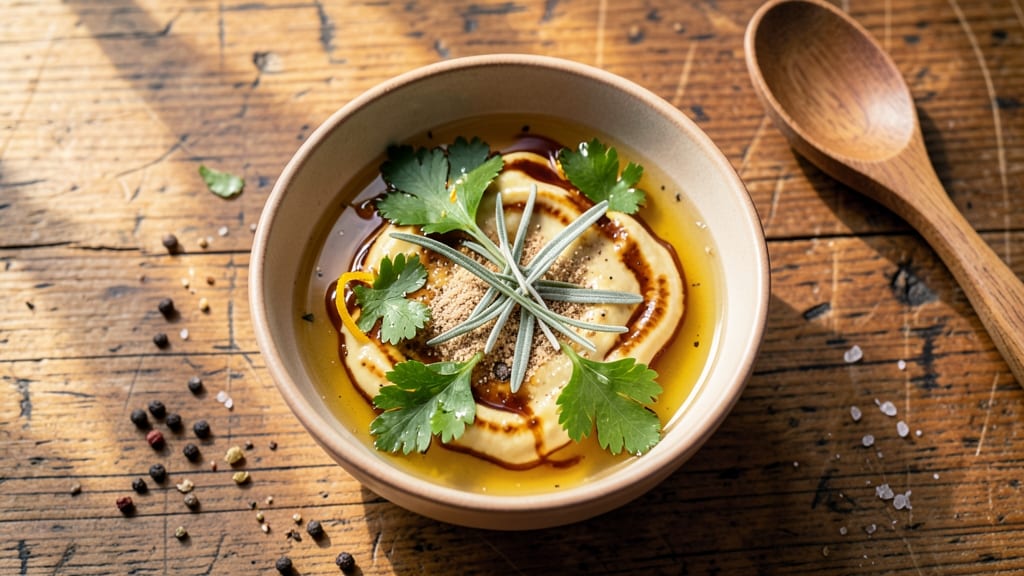
This almond oil salad dressing transforms simple greens into a gourmet experience with its nutty richness and balanced tang. The secret lies in the precise ratio of almond oil to acid—just enough to create a velvety texture without overpowering the salad's freshness.
I developed this recipe after years of experimenting with nut-based dressings that either tasted too heavy or separated too quickly.
The dressing combines high-quality almond oil with apple cider vinegar and a touch of Dijon mustard for emulsification, ensuring it stays creamy even after refrigeration. Fresh herbs like parsley and tarragon add brightness, while a hint of garlic powder deepens the flavor without dominating.
What makes this recipe stand out is its ability to elevate any salad—from hearty kale to delicate arugula—while keeping the dressing light enough to drizzle generously.
Once mixed, this dressing keeps its perfect consistency for up to 10 days in the refrigerator, making it ideal for meal prep. The almond oil adds a luxurious mouthfeel, while the vinegar and citrus balance the richness, creating a dressing that's both sophisticated and approachable.
Whether you're dressing a simple green salad or a complex grain bowl, this recipe delivers restaurant-quality results at home.
For best results, whisk all ingredients together thoroughly before storing, and give it a quick shake before each use. The dressing works equally well with roasted vegetables, grilled proteins, or even as a marinade for tofu. Here's how to make it perfectly every time.
Ingredients for almond oil salad dressing
High-quality almond oil and fresh herbs create a velvety dressing with nutty depth and balanced tang.
| Ingredient | Amount | Notes |
|---|---|---|
| Extra-Virgin Almond Oil 🫒 | ¾ cup | Cold-pressed, high-quality preferred |
| Apple Cider Vinegar 🍏 | ¼ cup | Unfiltered for depth of flavor |
| Dijon Mustard 🌶️ | 1 tbsp | For proper emulsification |
| Fresh Parsley Leaves 🌿 | ¼ cup | Finely chopped, stems removed |
| Fresh Tarragon Leaves 🌿 | 1 tbsp | Finely chopped, optional but recommended |
| Garlic Powder 🧄 | ½ tsp | Freshly ground preferred |
| Sea Salt 🧂 | ½ tsp | Fine grain preferred |
| Black Pepper 🌶️ | ¼ tsp | Freshly ground preferred |
| Lemon Juice 🍋 | 1 tbsp | Freshly squeezed, for brightness |
| Maple Syrup 🍁 | 1 tsp | For subtle sweetness balance |
The almond oil is the star here—look for cold-pressed, extra-virgin at specialty stores like Whole Foods or Trader Joe's for the best flavor. Bulk bins are ideal if you want to experiment with different oils, but stick to almond for this recipe. The apple cider vinegar should be unfiltered for that extra depth of flavor—Bragg is a reliable brand. Fresh herbs are non-negotiable for brightness; parsley and tarragon are the perfect pair, but if you can't find tarragon, fresh basil works too.
No Dijon mustard? Whole-grain mustard at half the amount works in a pinch, but the Dijon's emulsifying power keeps this dressing creamy. Short on almond oil? Avocado oil or walnut oil can substitute, though the flavor will shift slightly. The maple syrup adds just enough sweetness to balance the acidity—substitute agave at the same amount if preferred. For extra depth, add a pinch of smoked paprika, but keep it subtle to avoid overpowering the delicate flavors.
Store in an airtight container in the fridge for up to 10 days. The dressing thickens when chilled, so give it a quick whisk or shake before each use. For meal prep, portion into small jars—4 oz portions work perfectly for individual salads. If the oil separates (which can happen with long storage), just whisk vigorously to re-emulsify. Freezing isn't recommended as it alters the texture, but you can store it in the fridge for up to 2 weeks if made ahead.
Why You'll Love This Recipe
- Here’s what sold me: I make a big batch on Sunday, and it keeps in the fridge for days without turning rancid. The almond oil stays fresh, and the vinegar keeps it from separating. Budget-friendly? Absolutely. Time-saving? Even more so.
- No-Fuss Blender Magic: I swear by this—just toss everything in a jar, give it a quick shake, and boom. No straining, no extra bowls, no mess. That almond oil emulsifies like a dream, so it stays silky smooth without the fuss of whisking.
- Herb-Packed Punch: Honestly, the tarragon and parsley combo is where this dressing shines. It’s bright, slightly sweet, and that nutty almond oil? It rounds out the acidity from the apple cider vinegar like a perfect hug for your greens—no heavy cream needed.
- Weeknight & Weekend Ally: Between us, this is my go-to for everything from Monday lunches to Sunday brunch. Drizzle it over roasted veggies, toss it with grain bowls, or even use it as a marinade—it’s that versatile. (Yes, even on a Tuesday night.)
Step-by-step instructions for almond oil salad dressing
This dressing delivers rich nutty flavor without overpowering your salad's freshness.
Whisk Together the Base Ingredients
In a small bowl, combine the 0.75 cup extra-virgin almond oil with the 0.25 cup apple cider vinegar. Use a fork or whisk to gently mix these two ingredients until they're fully incorporated. I like to start with just these two components first—they form the foundation of the dressing's balance between richness and acidity.
Here's the thing—don't overmix at this stage. You're not trying to emulsify yet, just to blend the oil and vinegar. The almond oil should still appear slightly separated from the vinegar, which is normal and expected at this point. This separation will resolve beautifully once we add the emulsifiers later.
Add the Emulsifiers and Seasonings
To the oil-vinegar mixture, add the 1 tablespoon Dijon mustard, 0.5 teaspoon garlic powder, 0.5 teaspoon sea salt, and 0.25 teaspoon black pepper. Whisk vigorously for 30-45 seconds until the mustard is completely dissolved and the seasonings are evenly distributed throughout the mixture.
The Dijon mustard acts as our emulsifier here, helping to bind the oil and vinegar together. I always use freshly ground black pepper and fine sea salt at this stage—they dissolve better and distribute more evenly than pre-ground versions. Keep whisking until you see the mixture begin to thicken slightly and take on a more cohesive appearance.
Incorporate the Fresh Herbs and Sweetener
Add the 0.25 cup finely chopped fresh parsley leaves, 1 tablespoon finely chopped fresh tarragon leaves, 1 tablespoon lemon juice, and 1 teaspoon maple syrup to the bowl. Whisk everything together for another 30-45 seconds until the herbs are fully distributed and the dressing appears uniformly green.
The fresh herbs should be finely chopped to ensure they're evenly incorporated without making the dressing too chunky. The lemon juice brightens the flavors while the maple syrup provides just enough sweetness to balance the acidity. This is where the dressing really comes together—you'll notice it becoming thicker and more cohesive as the emulsifiers do their work.
Taste and Adjust the Balance
Taste the dressing immediately after combining all ingredients. At this stage, it should have a pleasant balance of nutty richness from the almond oil, tangy brightness from the vinegar and lemon, and herbal depth from the parsley and tarragon. If it tastes too sharp, add a small pinch more maple syrup. If it needs more acidity, add another teaspoon of lemon juice.
This is the crucial moment where you fine-tune the dressing to your personal preference. I usually find this dressing hits the perfect balance right away, but sometimes I need to add a tiny bit more salt or a splash of water if it's too thick. Remember that the dressing will continue to emulsify slightly as it sits, so don't be afraid to adjust now rather than later.
Let It Rest Before Serving
Cover the bowl and let the dressing rest at room temperature for 10-15 minutes. This resting period allows the emulsifiers to fully work their magic, creating a perfectly balanced dressing with no separation. The flavors will also meld together during this time, resulting in a more cohesive taste experience.
I know it's tempting to use the dressing immediately, but this short wait makes all the difference. After resting, give the dressing one final whisk to ensure everything is evenly distributed. The final product should be thick enough to coat the back of a spoon but still flow smoothly when poured. This dressing keeps well in the refrigerator for up to 5 days, making it perfect for meal prep.
Pro Tips For Making Almond Oil Salad Dressing
- Whisk in Stages: Start by mixing the Dijon mustard and apple cider vinegar first—this prevents the almond oil from separating when you add it later. Then drizzle in the oil slowly while whisking constantly, or you’ll end up with a greasy lump instead of a smooth emulsion.
- Chop Herbs Coarse: Skip the food processor for parsley and tarragon—roughly chop them with a knife instead. The texture adds brightness and prevents the dressing from turning into a muddy paste. (Yes, even if it looks less "Instagram-worthy.")
- Use Cold Oil: Store your extra-virgin almond oil in the fridge until ready to use—cold oil emulsifies better with vinegar and mustard. Warm oil will split the dressing faster, and no one wants to fix that mid-salad.
- Taste Before Dressing: Adjust the mustard-to-vinegar ratio before adding herbs—this is the thing that matters most. Too much vinegar? Add a pinch of honey. Too sharp? Dilute with a splash of water. Herbs can’t fix a sour imbalance.
Wine and beer pairings for this almond oil salad dressing
White Wine Pairings
For this nutty dressing, I recommend a crisp Sauvignon Blanc from New Zealand or Loire Valley—its bright acidity and citrus notes mirror the lemon and vinegar in the dressing while cutting through the almond oil's richness.
Look for wines with honeydew melon or gooseberry flavors on the label, like Cloudy Bay Sauvignon Blanc or Oyster Bay. The wine's natural acidity will refresh your palate after each bite of the dressing. 🍷
Light Beer Options
A Belgian witbier like Hoegaarden or St. Bernardus Witbier works beautifully with this dressing. The peppery coriander and lemony citrus notes complement the almond oil's nuttiness while balancing the dressing's acidity.
For a local option, try a German Helles Lager—its clean, slightly malty profile won't overpower the delicate flavors. Serve both chilled to enhance the refreshing contrast.
Dry Rosé Harmony
If you prefer red wine flavors without the tannins, a dry Provence rosé is perfect. The strawberry and watermelon notes in wines like Whispering Angel or Château d'Esclans "Whispering Angel" echo the dressing's herbal brightness.
The rosé's medium acidity keeps the meal feeling light, especially when paired with a mixed greens salad topped with this almond oil dressing. 🍇
Sparkling Wine Elevation
For a celebratory touch, serve this dressing with dry sparkling wine like Prosecco or Cava. The effervescence cleanses your palate between bites, while the green apple and almond flavors in La Marca Prosecco or Freixenet Elyssia complement the dressing's nutty profile.
The bubbles also make the meal feel more special—ideal for weekend brunches or dinner parties.
Non-Alcoholic Pairings
Don't drink alcohol? No problem! A sparkling apple cider like Martinelli's or a ginger beer with a squeeze of lemon works wonderfully. The carbonation mimics wine's palate-cleansing effect, while the citrus and spice notes enhance the dressing's herbal brightness.
For a more sophisticated option, try a sparkling water infused with cucumber and mint—it keeps the meal refreshing without alcohol. 🍏
Nutrition facts
Frequently asked questions
Can I use regular almond oil instead of extra-virgin?
Extra-virgin almond oil is ideal for its rich, high-quality flavor, but regular almond oil will work in a pinch. The difference lies in the taste—extra-virgin has a more pronounced nutty depth, while regular almond oil is more neutral. If using regular, you might want to add an extra ½ teaspoon of garlic powder or a pinch of smoked paprika to enhance the flavor.
Why did my dressing separate after refrigeration?
Separation happens when the emulsifiers (like Dijon mustard) aren't strong enough to bind the oil and vinegar. To fix it, whisk vigorously for 30-45 seconds until fully combined. For prevention, use 1 tablespoon of Dijon mustard (as in the recipe) and avoid over-diluting with extra liquids. If it keeps separating, try adding 1 teaspoon of xanthan gum next time.
Can I make this dressing without fresh herbs?
Yes! If fresh herbs aren't available, use 1 teaspoon dried parsley and ½ teaspoon dried tarragon (reduce amounts by ⅓ since dried herbs are more concentrated). For extra flavor, add ½ teaspoon onion powder or a pinch of dried thyme. The dressing will still taste great—just slightly less vibrant.
How can I adjust the dressing for a sweeter or tangier taste?
For more sweetness, add ½ teaspoon extra maple syrup or a splash of honey. For extra tang, increase the lemon juice by ½ teaspoon or use 1 teaspoon white wine vinegar instead of apple cider. Always adjust gradually—taste after each addition to avoid overpowering the nutty almond flavor.
Is this dressing suitable for meal prep?
Store it in an airtight container in the fridge for up to 10 days. The dressing thickens when chilled, so give it a quick shake before using. For meal prep, portion into small jars (4 oz each) to keep it fresh longer. Avoid freezing, as it can alter the texture.