
Salads
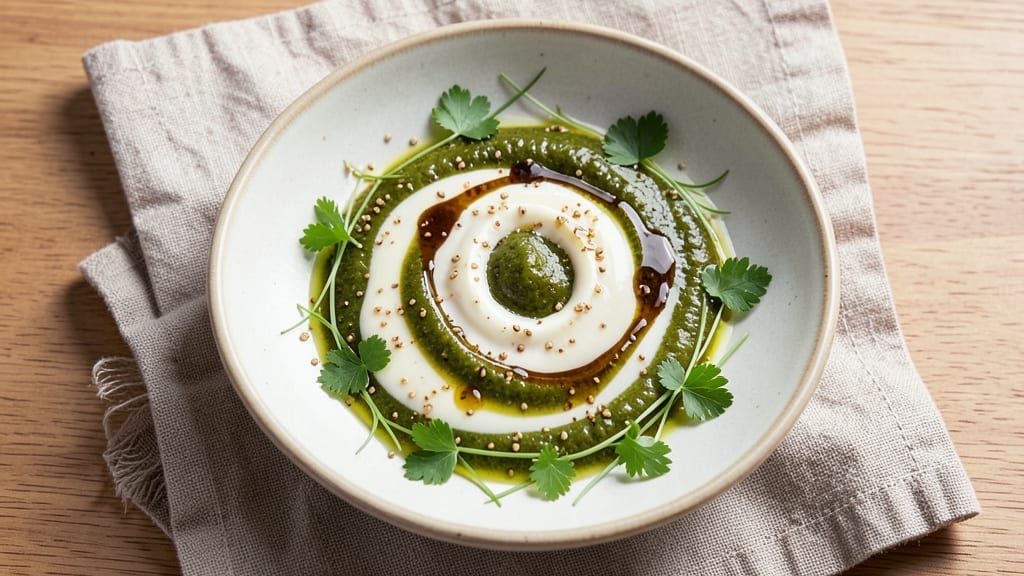
This acid reflux salad dressing recipe delivers creamy, soothing flavor without triggering heartburn—perfect for sensitive stomachs. 💛 The secret lies in olive oil and almond milk, which provide richness without acidity, while flaxseed adds gentle anti-inflammatory benefits.
I developed this after years of struggling to find dressings that tasted good but didn't cause discomfort afterward.
Unlike store-bought options loaded with vinegar and citrus, this dressing relies on mild herbs like parsley and chives for freshness, combined with garlic-infused oil for depth. The texture is velvety and coats greens beautifully, making every bite satisfying without the burn.
What makes it special is how it balances flavor and digestion—something most acid reflux sufferers can't find in conventional dressings.
With just five simple ingredients, you'll create a dressing that stays fresh in the refrigerator for up to five days. The olive oil base prevents separation, while the flaxseed adds subtle earthiness that complements any salad.
Whether you're dealing with frequent reflux or just looking for a gentler option, this recipe delivers restaurant-quality flavor without the discomfort.
The best part? It works equally well on kale salads, grain bowls, or even as a dip for roasted vegetables. No vinegar, no citrus, no heartburn—just rich, satisfying flavor that proves you don't have to sacrifice taste for digestive comfort. Let's make this dressing!
Ingredients for acid reflux salad dressing
Five gentle ingredients transform into a velvety dressing that soothes digestion without sacrificing flavor.
| Ingredient | Amount | Notes |
|---|---|---|
| Extra-Virgin Olive Oil 🫒 | ¾ cup | Cold-pressed for maximum flavor |
| Unsweetened Almond Milk 🥛 | ½ cup | Vanilla or plain, unsweetened |
| Ground Flaxseed 🌾 | 2 tbsp | Freshly ground for best texture |
| Fresh Parsley 🌿 | ¼ cup | Finely chopped, stems removed |
| Fresh Chives 🌱 | 2 tbsp | Chopped, mild flavor profile |
| Garlic-Infused Olive Oil 🧄 | 2 tbsp | Homemade or store-bought |
| Sea Salt 🧂 | ½ tsp | Fine grain preferred |
| Black Pepper 🌶️ | ¼ tsp | Freshly ground for warmth |
The olive oil is the foundation—cold-pressed extra-virgin makes all the difference. Trader Joe's and Whole Foods carry excellent options, but any high-quality brand works. Almond milk adds creaminess without acidity; unsweetened vanilla adds subtle sweetness that balances the earthiness. Flaxseed is the secret weapon—it thickens naturally and adds anti-inflammatory benefits. For the herbs, fresh is best, but if you're in a pinch, dried parsley and chives (at half the amount) work. The garlic-infused oil? Make it yourself by simmering minced garlic in olive oil for 5 minutes, then straining—it's worth the effort.
No almond milk? Oat milk or coconut milk work beautifully—just choose unsweetened. Short on flaxseed? Chia seeds at the same amount do the trick, though texture will differ slightly. Want more depth? Add a pinch of nutritional yeast for a cheesy note without acidity. The garlic-infused oil can be swapped for regular olive oil, but you'll lose that subtle garlic punch. For storage, keep the dressing in a sealed jar in the fridge—it'll stay fresh for up to five days, and the olive oil base prevents separation. If it thickens, just whisk in a splash of water or milk.
This dressing keeps beautifully in the fridge, but if you're prepping ahead, portion it into small jars for easy grab-and-go use. The flaxseed or chia seeds will settle, so give it a quick shake before using. It's perfect for kale salads, grain bowls, or even as a dip for roasted veggies—no vinegar, no citrus, just rich, soothing flavor. If you're sensitive to garlic, reduce the infused oil to 1 tbsp or omit it entirely. The herbs can be prepped ahead and stored in the fridge for up to three days to save time.
Why You'll Love This Recipe
- No Blender Needed: I’ll be real—this dressing comes together with just a fork and a jar. No whirring, no splattering, no cleanup. The flaxseed thickens beautifully when mixed with almond milk, and the parsley-chive combo adds freshness without overpowering.
- Herb-Packed Zing: That bright, grassy punch from fresh parsley and chives? It’s the star. The olive oil gives it a rich base, but the flaxseed adds a subtle nuttiness that keeps it interesting—not bland, not heavy. Honestly, I reach for this over store-bought every time.
- Meal Prep MVP: Between us, this dressing lasts weeks in the fridge. I make a big batch on Sundays, and it’s ready to toss on salads, roasted veggies, or even grilled chicken. The flaxseed keeps it stable, so no separating or weird textures—just pure, consistent flavor.
- Budget-Friendly Luxury: Extra-virgin olive oil is the only splurge here, but a little goes a long way. The rest? Almond milk, flaxseed, and herbs you might already have. I’ve made this for under $3 per batch, and it tastes like I spent twice that. Not the prettiest, but the taste makes up for it.
Step-by-step instructions for acid reflux salad dressing
Here's how to blend gentle yet flavorful ingredients into a dressing that soothes digestion.
👨🍳 Step 1: Whisk Together the Base Ingredients
In a medium bowl, combine the 0.5 cup unsweetened almond milk with the 2 tbsp ground flaxseed. I like to use a whisk for this step—it helps break down the flaxseed into a fine powder while incorporating air. Let this mixture sit for 5 minutes to allow the flaxseed to thicken slightly and create a natural emulsion base.
This flaxseed-almond milk blend forms the gentle foundation of our dressing. The flaxseed adds healthy omega-3s while the almond milk provides a smooth texture without the acidity of traditional dairy or citrus. Don't skip the waiting time—it makes a noticeable difference in the final consistency.
🍳 Step 2: Gradually Add the Oils
With the whisk still in the bowl, very slowly drizzle in the 0.75 cup extra-virgin olive oil and 2 tbsp garlic-infused olive oil simultaneously. This gradual addition creates a stable emulsion that won't separate. Whisk continuously until the mixture becomes thick and creamy—about 2-3 minutes of steady whisking.
Here's the thing—adding oils too quickly will cause the dressing to break. The key is patience. You want the oils to disperse evenly throughout the almond milk-flaxseed base. If you see any separation, just whisk vigorously for another 30 seconds to recombine. The garlic-infused oil adds depth without the sharpness that can trigger reflux.
👨🍳 Step 3: Incorporate the Fresh Herbs
Add the 0.25 cup finely chopped fresh parsley and 2 tbsp chopped fresh chives to the bowl. Gently fold these in with a rubber spatula until evenly distributed. The herbs should be completely incorporated but the dressing should remain smooth—no visible herb chunks. This is where the dressing gets its bright, fresh character.
I always use freshly chopped herbs because they add vibrant color and flavor that dried herbs can't match. The parsley provides a clean, slightly peppery note while the chives contribute a delicate oniony sweetness. Both are mild enough for sensitive stomachs but flavorful enough to satisfy. If you're concerned about texture, give the dressing one final whisk to ensure everything's perfectly combined.
🔪 Step 4: Season and Adjust Consistency
Add the 0.5 tsp sea salt and 0.25 tsp freshly ground black pepper to the bowl. Taste and adjust the seasoning as needed—you might need a tiny bit more salt to balance the flavors since we're avoiding acidic components. If the dressing is too thick, gradually add 1-2 teaspoons of water at a time until it reaches your desired consistency.
This dressing should coat the back of a spoon without being gluey. The flaxseed already provides thickening power, but sometimes the herbs can make it slightly too thick. Remember, it's better to start with a slightly thinner consistency—you can always thicken it later with a bit more ground flaxseed if needed. The seasoning is crucial here; we want to enhance the natural flavors without overpowering them.
⏰ Step 5: Rest and Serve
Transfer the dressing to a clean jar with a tight-fitting lid. Let it rest at room temperature for at least 30 minutes before using. This resting period allows all the flavors to meld together and the emulsion to fully stabilize. The dressing will keep in the refrigerator for up to 1 week, making it perfect for meal prep.
When you're ready to use it, give the jar a good shake before pouring. This dressing works beautifully on mixed greens, roasted vegetable salads, or even as a gentle marinade for grilled fish. The flaxseed gives it a subtle nutty richness while the herbs provide freshness—no harsh acids or spices that could irritate sensitive stomachs. It's the perfect balance of gentle and flavorful.
Pro Tips For Making Acid Reflux Salad Dressing
- STIR THE FLAXSEED: Mix the ground flaxseed into the almond milk first—let it sit for 5 minutes before adding anything else. This turns it into a thick, gel-like binder that won’t clump when you blend later, and it keeps the dressing creamy without separating.
- USE COLD ALMOND MILK: Pour the unsweetened almond milk straight from the fridge—no warming it up. Cold milk emulsifies better with olive oil, and this dressing stays silky instead of turning greasy or splitting after a few hours.
- CHOP HERBS FINE: Pulse the parsley and chives in a mini food chopper until they’re almost paste-like. Whole stems or large chunks make the dressing look pretty but ruin the texture—you want that herby punch in every bite, not just floating bits.
- BLITZ THE OIL: Add the olive oil last and blend on high for 20 seconds—don’t just drizzle it in. The high-speed pulse breaks the oil into tiny droplets that stay suspended, so your dressing doesn’t turn into a sad, watery oil-and-milk split after 10 minutes.
Serving suggestions for leftovers
Gentle Salad Pairings
This dressing shines on mixed greens like baby spinach or arugula—toss with 1 cup chopped romaine and ½ cup shredded carrots for a refreshing, low-acid base. The flaxseed's richness complements the mild herbs beautifully.
For extra soothing power, add ¼ cup diced cucumber and 2 tbsp sliced almonds—both are naturally alkaline and gentle on digestion. 🥗
Roasted Vegetable Bowls
Use this dressing as a finishing drizzle for roasted sweet potatoes and zucchini—simmer them with 1 tsp olive oil, ½ tsp sea salt, and ¼ tsp cinnamon at 400°F for 20 minutes.
The warm spices enhance the dressing's earthy notes without triggering reflux. Serve over quinoa or brown rice for a hearty, balanced meal.
Protein Pairings
Pair with grilled chicken breast (marinated in 1 tbsp olive oil and 1 tsp lemon-free herb blend) or baked salmon (seasoned with dill and black pepper). The dressing's mild garlic flavor complements both proteins without overpowering them.
For plant-based options, try tofu sautéed in sesame oil—the flaxseed in the dressing adds a satisfying nutty depth.
Meal Prep Strategies
Prep dressing and salad components separately to avoid sogginess. Store the dressing in a small mason jar in the fridge for up to 5 days, and keep chopped veggies in airtight containers with a paper towel to absorb moisture.
When ready to assemble, toss 2 cups greens with 2 tbsp dressing and ½ cup protein/veggie mix. This keeps everything crisp and fresh for 2-3 days.
Unexpected Uses
Drizzle over mashed cauliflower (steamed until tender, then blended with 1 tbsp olive oil and ¼ tsp turmeric) for a creamy, reflux-friendly side.
It also works as a dip for roasted Brussels sprouts—toss them with 1 tsp olive oil and ½ tsp smoked paprika before roasting at 425°F for 15 minutes. The dressing's mild herbs elevate the sprouts' natural sweetness without irritation. 💫
Nutrition facts
Frequently asked questions
Can I make this dressing without flaxseed?
Yes! If you're avoiding flaxseed, you can substitute it with 2 tbsp ground chia seeds for thickening, or use 1 tbsp cornstarch or arrowroot powder mixed with 1 tbsp water as a binder. The texture will be slightly different but still work well. For extra creaminess, add 1 tbsp tahini (sesame paste) to replace the flaxseed's richness.
Why does my dressing separate after a few hours?
This happens when oils and liquids aren't properly emulsified. To fix it, whisk vigorously for 1-2 minutes or blend with an immersion blender. For prevention, always add oils slowly while whisking, and let the dressing rest for 30 minutes before refrigerating. The flaxseed helps stabilize, but a quick shake before using usually brings it back together.
Is this dressing safe for GERD patients?
This recipe avoids common triggers like vinegar, citrus, tomatoes, and garlic (unless you use the mild garlic-infused oil). The olive oil and almond milk base is naturally low-acid, while flaxseed adds soothing omega-3s. Always check with your doctor first if you have severe acid reflux, as individual tolerances vary. The herbs are also gentle—parsley and chives are low-FODMAP and reflux-friendly.
Can I make this dressing without dairy or nuts?
Certainly! Replace the almond milk with coconut milk (unsweetened) or oat milk for a nut-free option. For dairy-free, ensure your almond milk is certified dairy-free (most are). The olive oil base remains the same, and the flaxseed provides thickening without dairy. The flavor will be slightly different but still gentle on digestion and delicious.
How can I make this dressing spicier without triggering reflux?
For heat without acidity, try ½ tsp smoked paprika or ¼ tsp cayenne pepper—both add warmth without the sharpness of chili flakes. You can also infuse the olive oil with mild spices like cinnamon or turmeric for depth. Always introduce new spices gradually and monitor your body's response, as even mild spices can affect some reflux sufferers differently.