Salads
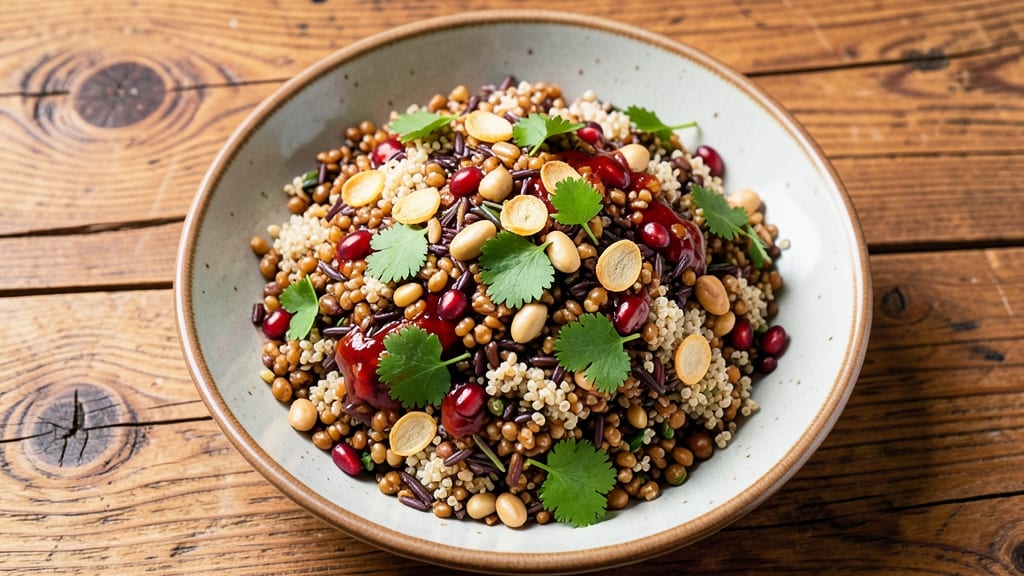
This 7-grain salad recipe transforms simple ingredients into a nut-packed protein powerhouse that’s ready in just 20 minutes—perfect for meal prep or a hearty lunch.
The key lies in balancing seven distinct grains (quinoa, farro, barley, wild rice, millet, buckwheat, and amaranth) for texture and nutrition, each cooked separately for optimal results.
What sets this dish apart is its versatility: serve it warm or cold, loaded with roasted vegetables, fresh herbs, and a tangy lemon-tahini dressing that ties everything together.
The beauty of this salad is its adaptability—it’s naturally gluten-free, vegan, and packed with plant-based protein, making it a go-to for any dietary preference.
While the grains take the most time to cook, they can be prepped ahead and stored for up to 4 days, turning this into your ultimate batch-cooking solution.
The dressing is the secret weapon: a bright blend of lemon, garlic, and tahini that elevates every bite without overpowering the earthy grains.
By the time you’re done, you’ll have a colorful, textured bowl that’s as satisfying as it is nutritious—think chewy farro, fluffy quinoa, and crunchy millet all in one serving.
It’s the kind of dish that feels gourmet but requires minimal effort, proving that healthy eating doesn’t mean sacrificing flavor or time. Whether you’re feeding a crowd or meal prepping for the week, this salad delivers restaurant-quality results at home.
For extra protein, toss in toasted nuts or chickpeas, or keep it light with fresh herbs and citrus. The possibilities are endless, but the foundation—seven perfectly cooked grains—is what makes this salad truly special. Let’s get cooking!
Ingredients for 7 grain salad
Seven grains, one bowl of texture and nutrition—this is your pantry transformed.
| Ingredient | Amount | Notes |
|---|---|---|
| Quinoa 🌾 | 1 cup | Rinsed thoroughly before cooking |
| Farro 🌾 | 1 cup | Pearled farro for quicker cooking |
| Barley 🌾 | 1 cup | Pearl barley preferred |
| Wild Rice Blend 🌾 | 1 cup | Uncooked wild rice mix |
| Millet 🌾 | ½ cup | Lightly toasted for nuttiness |
| Buckwheat Groats 🌾 | ½ cup | Not buckwheat flour |
| Amaranth 🌾 | ½ cup | Uncooked amaranth seeds |
| Red Bell Pepper 🌶️ | 1 medium | Diced, roasted or raw |
| Zucchini 🥒 | 1 medium | Diced, fresh or lightly roasted |
| Cherry Tomatoes 🍅 | 1 pint | Halved, seeds removed |
| Fresh Parsley 🌿 | ¼ cup | Chopped, stems removed |
| Fresh Mint 🌿 | ¼ cup | Chopped, for brightness |
| Tahini 🥜 | ½ cup | Sesame paste, high quality |
| Extra-Virgin Olive Oil 🫒 | ½ cup | For cooking and dressing |
| Lemon Juice 🍋 | ¼ cup | Freshly squeezed |
| Garlic Cloves 🧄 | 4 cloves | Minced or pressed |
| Maple Syrup 🍯 | 1 tbsp | For subtle sweetness |
| Sea Salt 🧂 | 1 ½ tsp | Diamond Crystal preferred |
| Black Peppercorns 🌶️ | ½ tsp | Freshly cracked |
The grains are the stars here, so buy them pre-washed if possible—saves time and reduces mess. Whole Foods or Trader Joe's carry all seven in bulk bins, which is perfect for testing flavors without committing to full packages. If you're new to grains, start with the basics: quinoa cooks in 15 minutes, farro takes 25-30, and wild rice needs 45-60. The key is cooking them separately—each grain has its own ideal texture. For the roasted veggies, Trader Joe's frozen diced veggies work in a pinch, but fresh is always better. Look for bell peppers with vibrant color and firm zucchini—they hold up best when roasted. Cherry tomatoes should be plump, not wrinkled, and parsley with bright green leaves means it's fresh.
No tahini? Substitute with peanut butter or almond butter—just reduce the lemon juice slightly since nut butters are richer. Short on mint? Fresh basil or cilantro works too, though the flavor will be different. The maple syrup can be swapped for agave or date syrup if you prefer a different sweetness profile. For extra protein, add toasted chickpeas or walnuts—roast them with olive oil, salt, and smoked paprika for 15 minutes at 400°F. If you're making this ahead, cook the grains first and store them separately in the fridge for up to 4 days. The dressing keeps for 5 days in the fridge if stored in an airtight container.
This salad tastes even better the next day—flavors meld beautifully. Store the grains and veggies separately in airtight containers for up to 4 days, then toss everything together with the dressing when ready to eat. The dressing itself keeps for 5 days in the fridge, so make extra if you're prepping for the week. For freezing, portion the grains into individual containers and freeze for up to 3 months. When reheating, add a splash of water and microwave for 1-2 minutes. The dressing doesn't freeze well, so make it fresh when you're ready to assemble.
Why You'll Love This Recipe
- No Pantry Panic: I swear by this recipe because it uses grains I always have—no last-minute bulk-bin shopping. The quinoa and farro cook in the same pot, while the wild rice blend handles itself in a separate pot (or even the Instant Pot if I’m lazy). Honestly, I’ve made it with whatever grains were left over, and it still works.
- Chewy, Nuts, Crunchy Magic: Between us, this salad has texture in every bite—the quinoa’s firm bite, farro’s toothsome chew, and millet’s tiny pop. Toss in toasted nuts or crispy chickpeas, and you’ve got a symphony of mouthfeel that keeps me coming back. (Yes, even on a Tuesday night.)
- Lunch for Days: I make a giant batch on Sunday and eat it for breakfast, lunch, or dinner all week. The barley holds up for days without getting mushy, and the wild rice blend adds that je ne sais quoi that makes it feel fresh. My coworkers actually ask for seconds when I bring it to work—no joke.
- Budget-Friendly Powerhouse: Grains are where it’s at for saving money, and this recipe stretches a dollar without sacrificing flavor. A single bag of farro and barley lasts me months, and I can swap in whatever’s on sale. Plus, it’s filling enough that I don’t crave takeout when I’m low on cash.
Step-by-step instructions for 7 grain salad
Here's how to create a hearty, protein-rich grain medley that's ready in under 20 minutes.
Cook the Grains Individually for Perfect Texture
Start by rinsing the 1 cup quinoa thoroughly under cold water to remove any bitterness. In a medium saucepan, combine the quinoa with 2 cups water and bring to a boil. Once boiling, reduce heat to low, cover, and simmer for 15 minutes until the water is absorbed and the grains are tender. Let it sit covered for 5 minutes off heat.
While the quinoa cooks, prepare the remaining grains in separate pots using their recommended cooking times. The 1 cup farro and 1 cup barley both require 25-30 minutes in boiling water, while the 1 cup wild rice blend takes 45 minutes. The 0.5 cup millet and 0.5 cup buckwheat groats cook in 15-20 minutes, and the 0.5 cup amaranth needs 12-15 minutes. Drain each grain thoroughly after cooking to prevent a soggy salad.
Roast the Vegetables for Depth of Flavor
Preheat your oven to 425°F. Toss the 1 medium red bell pepper, 1 medium zucchini, and 1 pint cherry tomatoes with 1 tablespoon extra-virgin olive oil, 0.5 teaspoon sea salt, and 0.25 teaspoon black peppercorns. Spread them on a baking sheet in a single layer and roast for 15-20 minutes until the edges are slightly charred and tender. Watch closely after 12 minutes—they cook quickly at this temperature.
For extra flavor, add the 4 cloves minced garlic to the vegetables during the last 5 minutes of roasting. The garlic will infuse the vegetables with a subtle, aromatic sweetness that pairs beautifully with the grains. Let the roasted vegetables cool slightly before combining with the grains.
Assemble the Grain Medley with Fresh Herbs
In a large mixing bowl, combine all the cooked grains. Add the cooled roasted vegetables, 0.25 cup chopped fresh parsley, and 0.25 cup chopped fresh mint. Gently toss everything together with a wooden spoon to distribute the herbs evenly. The mint adds a bright, refreshing contrast to the earthy grains and vegetables.
Here's the thing—don't overmix. You want each grain to retain its individual texture while still feeling cohesive. The parsley and mint should be visible throughout, adding pops of color and freshness. Taste the mixture and adjust seasoning with an additional pinch of sea salt if needed.
Whisk the Tahini-Lemon Dressing for Creamy Coating
In a small bowl, whisk together the 0.5 cup tahini, 0.5 cup extra-virgin olive oil, 0.25 cup lemon juice, 1 tablespoon maple syrup, and the remaining 1 teaspoon sea salt. Start with a slow drizzle of olive oil to emulsify the tahini smoothly. The dressing should be thick but pourable—if it's too thick, add 1-2 tablespoons water to loosen it.
This dressing is the secret to tying everything together. The tahini provides a rich, nutty base, while the lemon juice brightens the flavors. The maple syrup adds a subtle sweetness that balances the savory grains and vegetables. Taste and adjust the seasoning—you might want to add a pinch more salt or a splash more lemon juice to suit your preference.
Combine and Chill for Maximum Flavor Development
Pour the tahini-lemon dressing over the grain mixture and toss gently until everything is evenly coated. The salad should look vibrant and glossy, with the dressing clinging to each grain and vegetable. Transfer the salad to an airtight container and refrigerate for at least 1 hour before serving. This chilling time allows the flavors to meld and the grains to absorb the dressing fully.
When ready to serve, give the salad one final toss to redistribute any dressing that may have settled. The grains should be tender but still hold their shape, and the vegetables should be warm from the roasting process. This salad keeps well in the refrigerator for up to 3 days, making it perfect for meal prep.
Pro Tips For Making 7 Grain Salad
- TOAST THE GRAINS FIRST: I learned this the hard way—skipping toasting means your farro and barley will taste flat. Dry-toast quinoa, farro, and barley in a skillet for 3-4 minutes until fragrant and just golden before adding liquid. The wild rice blend and millet don’t need this, but those two make all the difference.
- USE TWO POTS: Farro and wild rice blend demand the most attention—cook them separately. Farro needs 25-30 minutes in 1:2 ratio (grain to water), while wild rice blend takes 45-50 minutes in 1:2.5. Barley and millet can simmer together in the same pot after the others are done, saving cleanup.
- DON’T OVERMIX THE FINISH: After cooking, let each grain cool slightly before tossing with dressing. I used to dump everything in raw and end up with a mushy, gluey mess. Instead, fold in dressings and veggies gently—just until combined. The quinoa and millet hold up better than you’d think.
- SALT THE COOKING WATER: This isn’t just for flavor—it prevents mushy barley and farro. Add 1 tsp salt per 4 cups of water (or more if using unsalted grains). I was skeptical until I tried it: the grains stay firm, and the final salad has depth without extra seasoning later.
Perfect pairings for this 7 grain salad
Warm vs Cold Serving
The versatility of this salad lets you serve it either way, but each approach brings something special. For a warm salad, toss the grains and roasted veggies with the dressing right out of the oven—this enhances the caramelized flavors of the vegetables.
I love serving it warm with a sprinkle of toasted pumpkin seeds for extra crunch. 🌶️
For a cold version, let the salad chill in the fridge for at least 1 hour before serving. The flavors meld beautifully, and the tahini dressing develops a richer, creamier texture. This is perfect for meal prep—just assemble in the morning and enjoy all day.
Protein Boosters
Want to turn this salad into a protein powerhouse? Add ½ cup toasted chickpeas or ¼ cup walnuts for extra crunch and plant-based protein.
Roast them with 1 tsp smoked paprika and ½ tsp garlic powder at 400°F for 15 minutes—they’ll add a smoky depth that pairs perfectly with the tahini dressing. 🥜
For a vegan twist, swap in ½ cup marinated white beans (like cannellini or navy beans) for a creamy, savory element. Or try ¼ cup crumbled feta if you’re not strictly vegan—it adds a tangy contrast to the nutty grains.
Herb & Veggie Swaps
Fresh herbs make all the difference! While parsley and mint are classic, try cilantro and basil for a Mediterranean vibe, or dill and chives for a brighter, fresher taste.
If you’re short on fresh herbs, dried herbs work in a pinch—just use ½ the amount (e.g., 1 tbsp dried parsley instead of ¼ cup fresh). 🌿
For vegetables, swap in roasted beets or sautéed mushrooms for extra depth. If you love crunch, add shredded cabbage or thinly sliced cucumber—they hold up well even when chilled. The key is balancing textures, so mix soft and crisp elements.
Dressing Variations
Love the tahini-lemon dressing but want something different? Try a yogurt-based dressing by mixing ½ cup Greek yogurt with 2 tbsp lemon juice, 1 tbsp olive oil, and ½ tsp honey.
It’s lighter but still creamy. For a spicy kick, add 1 tsp sriracha or ½ tsp cayenne to the tahini dressing. 🌶️
Prefer something nut-free? Swap tahini for avocado—mash ½ ripe avocado with 2 tbsp lemon juice, 1 tbsp olive oil, and ½ tsp salt for a creamy, fresh dressing. It’s rich but still bright, and it keeps the salad vegan-friendly.
Beverage Pairings
This salad’s bright, tangy flavors pair beautifully with sparkling water with lemon—it’s refreshing and cuts through the richness of the tahini. For something bolder, try a dry white wine like Sauvignon Blanc or a crisp rosé.
The acidity in the wine complements the lemon in the dressing perfectly. 🍷
If you’re serving this as a lunch, a light beer like a wheat ale or pilsner works well—the effervescence cleanses the palate between bites. For a non-alcoholic option, hibiscus iced tea adds a tart, floral note that enhances the salad’s flavors.
Nutrition facts
Frequently asked questions
Can I substitute any of the grains if I can't find all seven?
Start with your core grains like quinoa, farro, and barley—they're the most versatile. Swap millet for couscous (cooks in 5 minutes) or buckwheat for freekeh (toasted wheat with a smoky flavor). For amaranth, try toasted wheat berries or even bulgur wheat. The key is maintaining texture variety—aim for a mix of chewy, fluffy, and crunchy elements.
How do I prevent the grains from getting mushy when storing?
Always cook grains until they're just tender (not mushy) and drain them thoroughly after cooking. Store each grain type separately in airtight containers with a paper towel pressed on top to absorb excess moisture. For the full salad, keep grains and veggies separate until ready to assemble—this prevents sogginess. Refrigerate for up to 4 days and reheat with a splash of water if needed.
Is this salad gluten-free?
Mostly! The recipe is naturally gluten-free as written, but check your grains: some farro and barley brands contain gluten. For a fully gluten-free version, substitute farro with certified gluten-free quinoa and barley with millet or rice. Always verify labels on wild rice blends too—some contain wheat. The tahini dressing is naturally gluten-free, making this a safe option for most gluten-sensitive diets.
Can I make this ahead of time for a large gathering?
Yes! This salad is perfect for meal prep. Cook all grains and roast veggies 2 days ahead, then store separately in the fridge. When ready to serve, toss everything together with fresh herbs and dressing. For a crowd, double the recipe—just use two large mixing bowls to combine ingredients efficiently. The flavors actually improve overnight as everything melds together.
What's the best way to reheat leftover grains?
For best texture, reheat grains in a dry skillet over medium-low heat for 3-5 minutes, stirring constantly. Add 1-2 tablespoons water per cup of grains if they seem dry. For microwave reheating, sprinkle grains with 1 teaspoon water, cover with a damp paper towel, and heat for 1-2 minutes. Never reheat in the microwave uncovered—it makes grains rubbery.