Salads
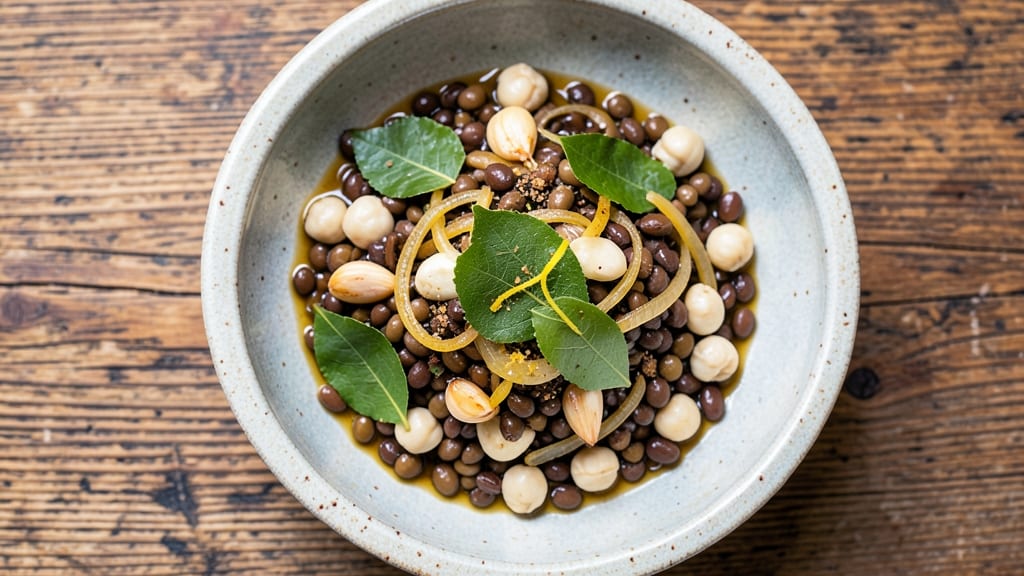
This 3 pea salad recipe transforms humble legumes into a vibrant, protein-packed dish that shines as both a hearty side and satisfying main course.
The secret lies in simmering split peas, lentils, and chickpeas until tender—20 minutes of hands-off cooking yields a salad that’s creamy, flavorful, and packed with plant-based protein.
What makes this version stand out is the bright contrast of fresh mint and lemon, cutting through the earthy sweetness of the peas while keeping the dish light yet substantial.
The beauty of this recipe is its versatility—serve it warm or chilled, alongside grilled meats or as a standalone meal with crusty bread. The peas absorb the aromatics of garlic, onion, and bay leaf during simmering, while a touch of Dijon mustard and apple cider vinegar adds depth.
Unlike traditional pea salads that can feel heavy, this version stays fresh and vibrant, thanks to the herbs and citrus.
What you’ll end up with is a restaurant-quality salad that’s far more impressive than store-bought versions—creamy yet light, with a perfect balance of textures and flavors. The peas hold their shape just enough to provide bite, while the chickpeas add heartiness.
Garnish with extra mint or a drizzle of olive oil for a finishing touch that elevates every bite.
Perfect for meal prep, potlucks, or a quick weeknight dinner, this 3 pea salad proves that vegetarian dishes can be just as satisfying as their meat-heavy counterparts. The recipe scales effortlessly, so double or halve it to fit your needs—without sacrificing flavor or texture.
Ingredients for 3 pea salad
Transform humble legumes into a vibrant, protein-packed salad with these 14 quality ingredients.
| Ingredient | Amount | Notes |
|---|---|---|
| Dried Green Split Peas 🌾 | 1 cup | Rinsed before cooking |
| Dried Brown Lentils 🌾 | ½ cup | French or Puy preferred |
| Chickpeas 🍲 | 1 cup | Canned, drained and rinsed |
| Yellow Onion 🧅 | 1 whole | Medium size, diced |
| Garlic Cloves 🧄 | 3 cloves | Fresh, minced |
| Fresh Bay Leaves 🌿 | 2 whole | For aromatic depth |
| Extra-Virgin Olive Oil 🫒 | ½ cup | High quality, fruity |
| Dijon Mustard 🍯 | 1 tbsp | Mild or strong variety |
| Apple Cider Vinegar 🍶 | 2 tbsp | Unfiltered preferred |
| Fresh Mint Leaves 🌿 | ½ cup | Chopped, stems removed |
| Lemon Juice 🍋 | 2 tbsp | Freshly squeezed |
| Salt 🧂 | 1 ½ tsp | Diamond Crystal kosher |
| Black Peppercorns 🌶️ | ½ tsp | Freshly ground |
| Vegetable Broth 💧 | 2 cups | Low-sodium preferred |
The legumes are the foundation—split peas and brown lentils provide that signature creamy texture while chickpeas add heartiness. Whole Foods or bulk bins carry the best quality dried legumes, but any reputable grocery store will have them. Look for organic or heirloom varieties if available, as they tend to have better flavor. The chickpeas should be canned, not dried—Banza or Low Glycemic Index brands are excellent choices, but any good-quality canned chickpeas work. Fresh bay leaves add depth that dried can't match, so grab a few sprigs from the produce section if you're not using dried.
No fresh mint? Dried mint at one-third the amount works in a pinch, though it won't have the same brightness. Substituting apple cider vinegar? White wine vinegar or lemon juice both work, but the apple cider adds that subtle sweetness. The onion and garlic are non-negotiable for flavor—red onion can replace yellow if you prefer a milder taste. For the mustard, whole grain Dijon gives the best texture, but any Dijon will do. The vegetable broth should be low-sodium to avoid over-salting the dish, and homemade is ideal if you have it.
This salad keeps beautifully—5 days refrigerated or 3 months frozen. For freezing, portion into airtight containers with a thin layer of olive oil on top to preserve freshness. Reheat gently on the stove with a splash of water or broth. The flavors actually improve overnight as everything melds together. Garnish with extra mint and a drizzle of olive oil before serving for that restaurant-quality finish.
Why You'll Love This Recipe
- One-Pot Magic: I swear by this—just toss everything into one pot, add water, and let it simmer. No chopping, no fuss, and honestly? The lentils and peas soften just enough to soak up all the garlic and onion flavor like little flavor sponges.
- Umami Bomb: That combo of split peas, lentils, and chickpeas? It’s like a party in your mouth. The garlic and onion caramelize into something rich, while the peas stay tender but hold their shape—crispy edges, creamy centers, every bite’s a little victory.
- Meal Prep MVP: Make a big batch on Sunday, and you’ve got lunch for days. I pack it in jars for work—it keeps perfectly for five days, and the flavors only get better as the onions mellow. (Yes, even on a Tuesday night.)
- Pocketbook Hero: Dried peas, lentils, and chickpeas? Cheaper than takeout, cheaper than pre-packaged salads. I buy them in bulk, and this recipe stretches to feed four for under $10. Budget-friendly doesn’t mean boring—this thing’s got depth.
Step-by-step instructions for a refreshing 3 pea salad
This vibrant salad combines three distinct legumes for texture and depth, balanced by bright mint and tangy vinegar.
Prepare the Legume Base
In a medium saucepan, combine the 1 cup dried green split peas, 0.5 cup dried brown lentils, 1 cup chickpeas, 2 cups vegetable broth, and 1.5 teaspoons salt. Bring to a boil over medium-high heat, then reduce to a simmer for 15-18 minutes until the split peas and lentils are tender but still hold their shape. The chickpeas will soften more slowly—they should be just beginning to break down slightly.
I like to check for doneness by tasting a pea—it should be soft but still retain a slight bite. If the mixture looks too thick, add 2-3 tablespoons water to maintain the proper consistency. Remove from heat and let cool slightly before proceeding. This step builds the foundation for the salad's hearty texture.
Build the Flavorful Dressing
In a small bowl, whisk together the 0.5 cup extra-virgin olive oil, 1 tablespoon Dijon mustard, 2 tablespoons apple cider vinegar, 2 tablespoons lemon juice, 0.5 teaspoon freshly ground black peppercorns, and 1 teaspoon salt. The dressing should emulsify into a smooth, velvety consistency. If it separates, whisk more vigorously or add a splash of warm water to help bind it.
This dressing is the secret to balancing the earthy legumes with bright acidity. The Dijon mustard adds depth, while the lemon and vinegar cut through the richness. Taste and adjust seasoning—you might need an extra pinch of salt or more lemon juice to achieve the perfect tang-sweet balance. Set aside while you finish the salad components.
Sauté the Aromatics
Heat 1 tablespoon extra-virgin olive oil in a skillet over medium heat. Add the 1 whole diced yellow onion and cook for 5-6 minutes until softened and translucent. Add the 3 minced garlic cloves and 2 whole fresh bay leaves, cooking for another 1-2 minutes until fragrant. Remove from heat and let cool slightly.
The bay leaves infuse subtle earthy notes that complement the peas, while the caramelized onion adds sweetness. Don't let the garlic burn—it should be aromatic but not bitter. Once cooled, remove and discard the bay leaves before combining with the other ingredients. This step elevates the salad from simple to sophisticated.
Assemble and Chill
In a large bowl, combine the cooled legume mixture, sautéed onion-garlic mixture, and 0.5 cup chopped fresh mint leaves. Pour the dressing over the top and gently toss everything together until evenly coated. The salad should be vibrant green with flecks of mint throughout. Taste and adjust seasoning if needed—sometimes the legumes absorb more liquid as they cool.
Transfer the salad to an airtight container and refrigerate for at least 1 hour before serving. This chilling time allows the flavors to meld and the dressing to fully penetrate the legumes. The salad will taste even better the next day as the flavors develop further. Serve chilled or at room temperature for the best texture.
Pro Tips For Making 3 Pea Salad
- SOAK THE LENTILS FIRST: Split peas and chickpeas can handle a quick soak, but brown lentils? Nope—skip it or they’ll turn mushy. I learned this the hard way after serving a batch where the lentils had the texture of pudding. Just rinse them well and add them dry to the pot.
- COOK ON LOW HEAT: This isn’t a race. After the initial boil, drop the heat to a simmer—like, gentle bubbles, not rolling. I used to crank it high to speed things up, but the peas ended up gummy and the lentils split too much. Low and slow keeps everything tender without falling apart.
- SWEAT THE ONIONS: Don’t just chop and toss—sauté the onions in a little oil until they’re soft and translucent first. This builds flavor way deeper than raw onion ever could. I was skeptical until I tried it; now, I swear by the difference in every bite.
- DRAIN AND REST: Once the peas, lentils, and chickpeas are done, drain them thoroughly and spread them on a baking sheet for 10 minutes. This evens out the moisture so the salad stays creamy but not soggy. I skip this when I’m lazy, but the dish is noticeably better when I don’t.
Essential equipment for perfect results
Essential Pot and Pan
Start with a medium saucepan with a 3-quart capacity—I use my All-Clad stainless steel because it heats evenly and won’t react with acidic ingredients like vinegar. A heavy-bottomed pan prevents hot spots that could burn your legumes.
For the aromatics, a nonstick skillet (like GreenPan Ceramic) makes cleanup easier, though a stainless steel one works too if you prefer. 🔥
Measuring Tools
A scale isn’t strictly necessary, but a stainless steel measuring cup set (like OXO Good Grips) ensures accuracy for your legumes and liquids. For the fresh mint, a sharp chef’s knife and cutting board are essential—dull blades crush leaves instead of chopping them cleanly.
I also keep a fine-mesh strainer handy for rinsing chickpeas and draining any excess liquid before mixing. ✨
Mixing and Storage
Use a large mixing bowl (at least 8 inches wide) to combine all ingredients without spillage. I prefer glass Pyrex bowls because they’re sturdy and easy to clean. For storage, airtight containers (like Le Creuset stoneware) keep the salad fresh for up to 5 days in the fridge.
If freezing, opt for quart-sized freezer bags with a zip-top closure to prevent freezer burn.
Optional Gadgets
A microplane comes in handy for zesting lemon if you want extra brightness, though fresh juice works just fine. For the dressing, a small whisk (like Cuisinart stainless steel) helps emulsify the oil and vinegar smoothly.
If you’re prepping ahead, a food mill (like OXO Good Grips) can help achieve a finer texture for the peas, though it’s not required.
Budget-Friendly Swaps
No fancy tools? A large pot from your kitchen works perfectly for cooking the legumes. For mixing, a wooden spoon or spatula suffices. Measure liquids with a standard measuring cup, and chop herbs with a paring knife if needed.
The key is focusing on even heat distribution and gentle mixing—your salad’s success depends more on technique than equipment. 💪
Nutrition facts
Frequently asked questions
Can I use canned split peas instead of dried?
Yes, but with adjustments! Canned split peas are pre-cooked, so reduce the simmering time to just 5-7 minutes to avoid mushiness. Drain and rinse them first to remove excess sodium. The texture will be slightly softer than dried peas, but it still works beautifully in the salad. For best results, use low-sodium canned peas.
How do I make this salad more protein-rich?
This recipe already packs 15-20g protein per serving from the legumes alone! For extra protein, stir in ½ cup cooked quinoa or ¼ cup crumbled feta cheese before serving. You could also add ½ cup cooked lentils (increasing the lentil amount by 0.25 cup) for a heartier version.
What's the best way to reheat leftovers?
Gently reheat on the stovetop with 1-2 tablespoons water or broth over low heat for 3-5 minutes, stirring frequently. Avoid microwaving as it can make the peas mushy. For best texture, serve at room temperature or chilled after reheating. The flavors actually improve after refrigeration!
Can I make this salad without mint?
Substitute with ½ cup chopped parsley or ¼ cup chopped dill for a different herbal note. If you prefer no herbs, add 1 teaspoon dried thyme or ½ teaspoon smoked paprika for depth. The lemon and vinegar will still provide the bright contrast you need to balance the peas.
Why does my 3 pea salad taste bland?
Most likely, the dressing needs more acidity or salt. Boost flavor by adding 1 extra tablespoon lemon juice or ½ teaspoon more salt. For depth, stir in 1 teaspoon soy sauce or ½ teaspoon smoked salt. Also check if you used enough garlic and onion—they're flavor powerhouses in this dish!