
Salads
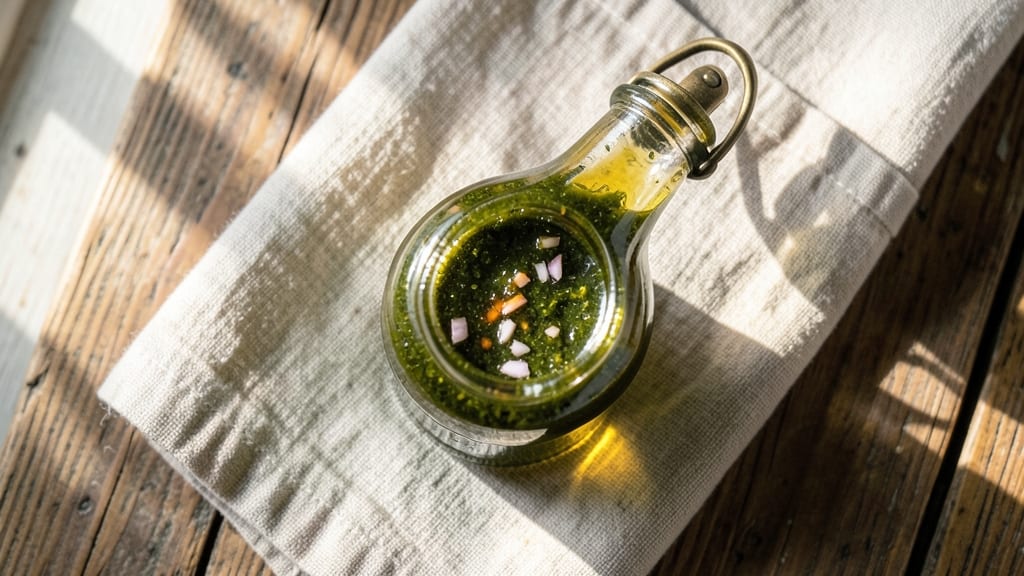
A 24-hour salad dressing recipe transforms ordinary greens into vibrant, restaurant-quality meals with just a little patience. The secret lies in letting flavors meld overnight—no clumping, no separation, just deep, complex taste that commercial dressings can't match.
This method works for creamy vinaigrettes, tangy herb blends, and even fermented options, all while keeping ingredients fresh and vibrant.
The beauty of this approach is how it simplifies preparation while elevating flavor. You mix ingredients once, let them work their magic overnight, and wake up to a dressing that's perfectly emulsified and bursting with depth. No last-minute shaking or thinning required—just pour, toss, and enjoy.
The 24-hour wait allows acids to mellow, herbs to infuse fully, and oils to integrate seamlessly, creating a dressing that's smoother and more cohesive than anything store-bought.
What you'll end up with is a dressing that's richer in texture, more balanced in flavor, and far more versatile than quick-mix alternatives. Whether you're prepping for the week or hosting a dinner, this method ensures your greens always taste fresh and exciting.
The best part? It requires no special equipment—just a jar and time.
Perfect for meal prep, picnic planning, or gifting, this dressing stays fresh in the fridge for up to a week, making it ideal for busy schedules. The technique works for everything from classic Italian to bold Asian-inspired flavors, proving that great dressing doesn't have to be complicated.
Let's get started on creating your next favorite dressing.
Ingredients for 24 hour salad dressing
Ten ingredients, one jar, and 24 hours transform simple components into restaurant-quality dressing.
| Ingredient | Amount | Notes |
|---|---|---|
| Extra-Virgin Olive Oil 🫒 | ½ cup | High-quality, fruity variety preferred |
| Red Wine Vinegar 🍷 | ¼ cup | Dry, bold variety for depth |
| Fresh Dijon Mustard 🥬 | 1 tbsp | Whole grain for texture |
| Granulated Honey 🍯 | 1 tbsp | For subtle sweetness balance |
| Fresh Garlic Cloves 🧄 | 2 cloves | Minced for aromatic depth |
| Shallots 🧅 | 2 whole | Finely minced, not chopped |
| Fresh Parsley Leaves 🌿 | ¼ cup | Packed, stems removed |
| Diamond Crystal Kosher Salt 🧂 | ½ tsp | Fine grain preferred |
| Freshly Ground Black Peppercorns 🌶️ | ¼ tsp | Cracked, not powdered |
| Xanthan Gum 🧪 | ⅛ tsp | Ensures perfect emulsification |
The olive oil is the foundation—California Extra Virgin from Trader Joe's or Whole Foods delivers the best flavor profile. Look for bottles labeled 'first cold press' to ensure maximum freshness. The vinegar should be dry and bold—avoid sweet or flavored varieties. Fresh garlic and shallots are non-negotiable; pre-minced versions lack the aromatic impact. For herbs, organic parsley from the grocery store's produce section works perfectly, though farmers market selections offer superior vibrancy. The xanthan gum, while subtle, is crucial—it acts as a natural emulsifier that prevents separation during storage.
No Dijon mustard? Whole-grain mustard powder mixed with water creates a suitable substitute. Substituting honey? Maple syrup works at a 1:1 ratio, though it imparts a distinct flavor. For a tangier profile, apple cider vinegar can replace red wine vinegar. The shallots can be swapped for red onion if unavailable, though flavor will differ slightly. If you're avoiding xanthan gum, 1/4 tsp of cornstarch provides similar stabilization. For a fermented variation, reduce vinegar to 1 tbsp and add 1/4 tsp of whey or lemon juice to encourage natural fermentation over 48 hours.
This dressing maintains peak freshness for 7-10 days when stored in an airtight jar in the refrigerator. The 24-hour rest period allows flavors to fully develop, resulting in a dressing that's smoother and more cohesive than traditional quick-mix alternatives. For meal prep, divide into small glass jars—they're perfect for individual portions and maintain freshness longer. If you notice any separation after storage, simply shake vigorously before use. The dressing freezes beautifully for up to 3 months, though texture may slightly alter upon thawing.
Why You'll Love This Recipe
- Here’s what sold me: this dressing gets better after 24 hours. The flavors meld, the garlic mellows into this deep, aromatic richness, and the honey really ties everything together. I’ve had jars last me two weeks, and honestly? The second week is when it’s at its peak. No waste, just pure flavor payoff.
- Five-Minute Mix: I just toss everything—olive oil, vinegar, mustard, honey, and crushed garlic—into a jar, cap it, and shake. No fancy tools, no waiting for fancy techniques. Honestly, it’s the kind of recipe that makes me feel like I’ve won when I open the pantry.
- Garlic-Honey Magic: That honey and garlic combo? It’s like a little flavor bomb. The vinegar cuts through the richness, the mustard adds depth, and the honey softens everything into this ridiculously balanced, tangy-sweet punch. I’ve used it on everything from grilled chicken to roasted veggies, and it never lets me down.
- Weeknight Meal Prep: Between us, this dressing is my secret weapon for busy nights. Make a big batch on Sunday, and suddenly you’ve got a jar of flavor ready to elevate whatever’s in your fridge. It’s the kind of thing that turns a sad salad into a "I actually want to eat this" salad—no stress, no last-minute shopping.
Step-by-step instructions for 24-Hour salad dressing
Master this technique and you'll achieve a perfectly emulsified dressing with complex flavors that develop beautifully overnight.
Finely Mince Aromatics for Maximum Flavor
Start by mincing the 2 whole shallots and 2 cloves fresh garlic as finely as possible using a sharp chef's knife. I aim for a texture similar to coarse salt—this ensures the flavors disperse completely without any noticeable texture in the final dressing. Place the minced aromatics in a small bowl and set aside.
For the 0.25 cup fresh parsley leaves, remove stems and chop finely using a pair of kitchen shears or knife. The parsley will add freshness and vibrant color to the finished dressing. I prefer to keep the parsley separate until the final step to maintain its bright green hue and prevent premature oxidation.
Whisk Vinegar and Honey for Smooth Base
In a medium bowl, combine the 0.25 cup red wine vinegar and 1 tbsp granulated honey. Whisk vigorously for 30 seconds until the honey dissolves completely and the mixture becomes smooth. The vinegar should be fully incorporated with no visible streaks of honey.
Next, add the minced shallots, garlic, and parsley to the vinegar mixture. Stir well to distribute the aromatics evenly. The acidity of the vinegar will help break down the cell walls of the vegetables, extracting maximum flavor during the overnight resting period.
Gradually Incorporate Oil for Perfect Emulsion
With the motor running on low speed, slowly drizzle in the 0.5 cup extra-virgin olive oil while whisking continuously. This gradual addition is critical—adding oil too quickly will cause the dressing to separate. I like to pour the oil in a thin, steady stream from about 6 inches above the bowl to create a fine mist that emulsifies more easily.
Once all the oil is incorporated, add the 1 tbsp fresh Dijon mustard and whisk for another 30 seconds until completely smooth. The mustard acts as an emulsifier, helping to bind the oil and vinegar together. If the mixture looks slightly thick, that's normal—it will come together as we proceed.
Add Stabilizers and Seasonings
Sprinkle the 0.5 tsp Diamond Crystal kosher salt and 0.25 tsp freshly ground black peppercorns over the dressing and whisk to dissolve completely. The salt enhances all flavors while the freshly ground pepper adds a subtle heat that develops beautifully overnight.
Here's where the magic happens: add the 0.125 tsp xanthan gum and whisk vigorously for 1 full minute. The xanthan gum acts as a stabilizer that prevents separation during storage. You'll notice the dressing thicken slightly as the gum hydrates and begins to work its magic. This is normal and essential for the dressing's long-term stability.
Rest and Develop Flavors Overnight
Transfer the dressing to a clean, airtight jar or container. Seal tightly and let it rest at room temperature for 24 hours. This resting period allows the flavors to meld and deepen—you'll notice the garlic and shallots become more aromatic while the vinegar's acidity mellows slightly.
After 24 hours, give the dressing a final whisk to ensure everything is well combined. The texture should be smooth and creamy, with no separation. If you notice any slight separation, simply whisk vigorously for 30 seconds to re-emulsify. This dressing will keep in the refrigerator for up to 2 weeks, with flavors continuing to develop over time.
Pro Tips For Making 24 Hour Salad Dressing
- STORE THE GARLIC RIGHT: The cloves you buy at the store are often old—wrinkled, sprouting, or just sitting in a jar of their own juice. For this dressing, grab the freshest garlic you can find (look for firm, papery skins and no green shoots) and keep it in a cool, dark place—not the fridge. Cold air makes garlic go dull, and you want that sharp, bright punch to shine after 24 hours.
- WHISK IN STAGES: Don’t dump everything in at once and hope for the best. Start with the oil and vinegar, whisking hard for 30 seconds to emulsify the basics. Then add the mustard and honey in small drizzles while whisking like you’re trying to win a prize—this keeps the texture smooth and prevents separation. I learned this the hard way after making a dressing that split into oil and vinegar soup.
- USE COLD HONEY: Straight from the jar, honey is thick and stubborn. Warm it up slightly by swirling the jar under hot water for 10 seconds—just enough to make it pour easily. Cold honey clumps and fights you, and you’ll end up with grainy bits in your dressing. Trust me, a little warmth makes mixing effortless.
- SALT THE MUSTARD: The Dijon in your recipe might already be salted, but don’t assume. Taste a pinch of mustard before adding it—if it’s bland, sprinkle a tiny pinch of salt (about ⅛ teaspoon) directly into the mustard. This balances the acidity later and saves you from over-salting the whole dressing. I skipped this once and ended up with a dressing that tasted flat, no matter how much I adjusted.
Troubleshooting your 24 hour salad dressing
Oil-Vinegar Separation
If your dressing separates after 24 hours, don't panic—this is often fixable. The most common cause is adding oil too quickly during emulsification. To fix it, whisk vigorously for 30-60 seconds until smooth.
For stubborn cases, add 1 tsp warm water and whisk again. The xanthan gum should prevent this, but if you skipped it, a small pinch of cornstarch can help stabilize the mixture. 💫
Herb Oxidation
Fresh herbs like parsley can turn brownish after 24 hours due to oxidation. To prevent this, add them just before serving or store the dressing with a thin layer of olive oil on top (about 1 tsp).
If oxidation occurs, simply strain out the discolored herbs before using. For extra vibrancy, add fresh herbs right before tossing with your salad.
Thickness Issues
If your dressing is too thick after resting, thin it with 1-2 tsp water or apple cider vinegar. For a thicker texture, add ½ tsp Dijon mustard or whisk in ½ tsp xanthan gum to re-stabilize.
Remember, the 24-hour rest often makes dressings naturally thicker as flavors meld. Adjust to your preference before serving.
Flavor Imbalance
If the dressing tastes too acidic or sweet, adjust with small amounts of honey or vinegar. For a more balanced flavor, add ½ tsp lemon juice or a pinch of salt to enhance complexity.
Taste as you go—small adjustments make a big difference. The 24-hour rest often mellows sharp flavors, but you can always tweak it before serving.
Storage Problems
If your dressing develops mold or an off smell after refrigeration, it's time to toss it. Properly stored in an airtight jar, this dressing should last 7-10 days without spoilage.
To maximize freshness, store in a glass container (plastic can absorb odors) and keep it fully submerged under oil if you notice surface separation. Always refrigerate after opening.
Equipment Failures
If your whisk breaks or your jar leaks, don't let it ruin your dressing. Transfer to a clean container and whisk by hand if needed. For emulsification issues, use a handheld immersion blender (like a Magic Bullet) for a smoother texture.
The key is patience—even without fancy tools, this dressing comes together beautifully with basic kitchen essentials. 🔥
Nutrition facts
Frequently asked questions
Why does this dressing need 24 hours?
The overnight rest allows flavors to meld fully and the xanthan gum to create a stable emulsion. This prevents separation and develops deeper, more complex taste than quick-mix dressings. The acidity mellows slightly while herbs and aromatics infuse completely.
Can I make this dressing without xanthan gum?
Yes! Substitute with ¼ tsp cornstarch or blend the ingredients with an immersion blender for 10 seconds. Without stabilizers, shake well before each use to prevent separation. The 24-hour rest still improves flavor even without these additives.
How do I adjust the flavor after resting?
Taste first! For more sweetness, add ½ tsp honey. For tang, stir in ½ tsp vinegar. Need salt? Add ¼ tsp kosher salt and whisk. The 24-hour wait mellows flavors, so adjustments are usually minimal—just a few drops make a big difference.
What's the best container for storing?
Use a clean, airtight glass jar with a tight-sealing lid. Glass preserves flavor better than plastic and won't absorb odors. For meal prep, divide into small jars (4-8 oz) to keep portions fresh longer. Store in the fridge for up to 2 weeks with no separation issues.
Can I make this dressing with different oils?
Try avocado oil for a neutral taste or walnut oil for nuttiness. For bold flavors, use toasted sesame oil (reduce to 2 tbsp). Just remember: high-quality oils yield the best results. The 24-hour method works equally well with any oil type.