
Salads
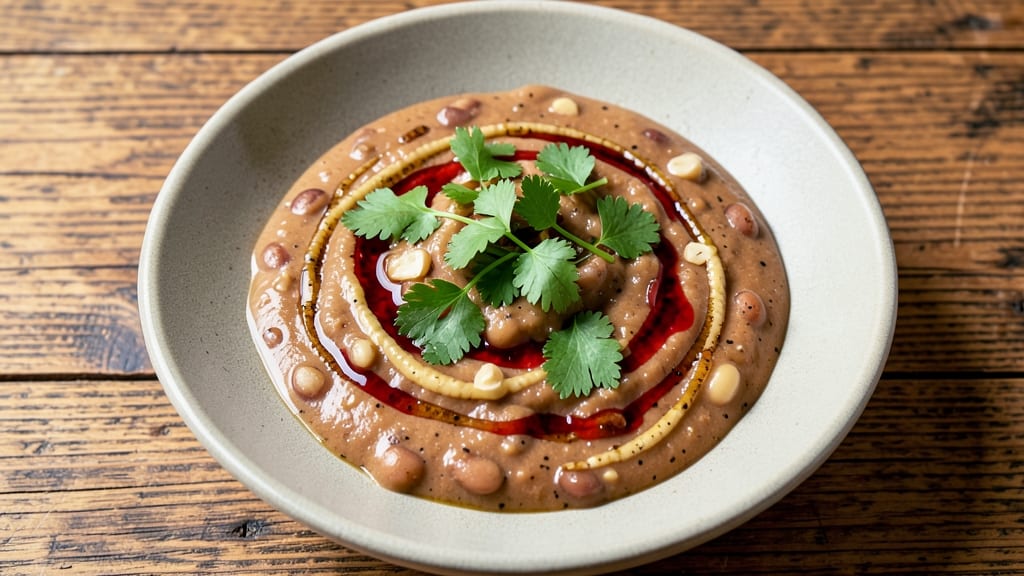
This traditional bean salad dressing transforms simple ingredients into a velvety, herb-infused vinaigrette that elevates every dish it touches. The secret lies in blending cannellini beans with tangy vinegar and fresh herbs, creating a rich, creamy texture without mayo.
I developed this recipe after years of perfecting restaurant-style dressings at home—it’s the kind of sauce that turns salads from ordinary to extraordinary with just a few spoonfuls.
The beauty of this dressing lies in its simplicity and versatility. With just six core ingredients—cannellini beans, red wine vinegar, Dijon mustard, garlic, fresh herbs, and a touch of olive oil—you’ll achieve a dressing that’s bold yet balanced.
The beans provide natural creaminess, while the vinegar and mustard deliver that signature tang. It’s foolproof, requires no special equipment, and comes together in under 10 minutes—perfect for busy weeknights or meal prep.
What makes this dressing truly special is its ability to enhance any dish. Drizzle it over fresh greens for a restaurant-worthy salad, toss it with grilled vegetables for extra depth, or use it as a marinade for chicken or fish.
The flavors develop even more over time, making it ideal for storing in the fridge for up to 5 days. Each spoonful delivers a harmonious blend of earthy bean richness, bright acidity, and aromatic herbs.
This isn’t just another dressing—it’s a game-changer for anyone who loves bold, textured flavors without the heaviness of traditional mayo-based sauces. Whether you’re a seasoned cook or just starting out, this recipe will become a staple in your kitchen. Let’s get started on creating something truly special.
Ingredients for traditional bean salad dressing
Six ingredients transform into a restaurant-quality dressing without mayo or dairy.
| Ingredient | Amount | Notes |
|---|---|---|
| Cannellini Beans 🌾 | 1 cup | Canned, drained and rinsed |
| Red Wine Vinegar 🍷 | ¼ cup | Dry variety preferred |
| Dijon Mustard 🌶️ | 1 ½ tbsp | High-quality, smooth texture |
| Extra-Virgin Olive Oil 🫒 | ½ cup | Lightly fruity, not bitter |
| Garlic Cloves 🧄 | 3 cloves | Fresh, minced or finely chopped |
| Fresh Parsley 🌿 | ¼ cup | Stems removed, finely chopped |
| Fresh Tarragon 🌿 | 2 tbsp | Finely chopped, or substitute chives |
| Sea Salt 🧂 | ¾ tsp | Fine grain preferred |
| Black Pepper 🌶️ | ¼ tsp | Freshly ground |
| Lemon Juice 🍋 | 1 tbsp | Freshly squeezed |
The cannellini beans are the foundation—high-quality canned brands like Mutti or Goya ensure smooth texture without grit. Look for beans with minimal liquid to avoid watering down the dressing. Fresh herbs are non-negotiable; Whole Foods or local farmers markets offer the most vibrant parsley and tarragon. For the vinegar, Bragg or La Tour Anglaise provide that signature acidity without overpowering. The Dijon mustard should be smooth, not grainy—Maille or Colman's are professional-grade choices that elevate this dressing from homemade to restaurant-quality.
No fresh tarragon? Chives or chervil at double the amount work in a pinch. Substitute lemon juice with white wine vinegar at half the quantity, though the flavor profile shifts slightly. For a more robust dressing, add 1 tsp capers or 1 tbsp finely chopped shallot. The olive oil quality matters—California extra-virgin brands like Corto or Lucini provide the right balance of fruitiness without bitterness. If you prefer a smoother texture, blend the dressing for 30 seconds after mixing, but hand-whisking creates a slightly textured, luxurious finish.
Store in an airtight container with a thin layer of olive oil on top to preserve freshness. Keeps for 5-7 days in the refrigerator, though flavors deepen after 24 hours. Freezes beautifully for up to 3 months—portion into ice cube trays for single-use servings. The dressing thickens slightly when chilled, so add a splash of water or vinegar when reusing to restore consistency. This recipe scales perfectly for entertaining—double the batch for crowd-sized servings.
Why You'll Love This Recipe
- No Blender Needed: I’ll be real—this dressing comes together with a fork and a bowl. Mash those cannellini beans right where they sit, then stir in the vinegar, mustard, and oil until it’s silky smooth. No pulsing, no straining, just elbow grease for about five minutes. That’s my kind of magic.
- Umami Bomb: The garlic and Dijon mustard hit like a flavor grenade—sharp, tangy, and just a little funky. But here’s the twist: the cannellini beans soften that bite, turning it into this creamy, savory hug. Drizzle it over greens, toss it with roasted veggies, and suddenly, everything tastes like it’s been kissed by the Mediterranean.
- Weeknight Superstar: I keep a jar of this in my fridge for when I’m too tired to think. Need a quick pasta sauce? Stir it in. Dull salad? Liven it up. Even plain grilled chicken gets a glow-up. Honestly, it’s my go-to when I’m staring at a fridge full of leftovers and wondering what to do with them.
- Pantry Goldmine: Between us, this dressing is the ultimate budget hack. Cannellini beans are cheap, vinegar lasts forever, and olive oil? Well, you’re using it anyway. Make a big batch—it keeps for weeks—and suddenly, you’ve got a fancy-schmancy dressing that costs pennies. Plus, it’s one of those recipes where the more you make, the less you notice the price tag.
Step-by-step instructions for traditional herb-infused bean salad dressing
This classic vinaigrette transforms humble cannellini beans into a rich, herbaceous base—no mayo required.
Blend the Bean Base Until Silky
Place the 1 cup Cannellini Beans in a high-speed blender or food processor. Add the 0.25 cup Red Wine Vinegar and 1.5 tbsp Dijon Mustard to create an acidic foundation that brightens the final dressing. Blend until completely smooth, scraping down the sides as needed to ensure even consistency.
The goal here is a velvety texture—no visible bean fragments should remain. If using a standard blender, you may need to pulse briefly and then let it run continuously for 30-45 seconds to achieve that restaurant-quality smoothness. This step is critical; any graininess will disrupt the elegant finish of your dressing.
Incorporate Aromatics and Seasonings
Transfer the blended mixture to a medium mixing bowl. Add the 3 cloves Garlic Cloves (finely minced), 0.25 cup Fresh Parsley, 2 tbsp Fresh Tarragon, 0.75 tsp Sea Salt, and 0.25 tsp Black Pepper. Stir vigorously with a whisk or silicone spatula to fully integrate the herbs and garlic into the bean mixture.
Here's where the dressing begins to take on its signature character. The tarragon adds an anise-like depth, while the parsley contributes freshness. I like to press the herbs against the bowl's sides with the back of the spoon to release their essential oils—this ensures maximum flavor extraction. Let the mixture sit for 5 minutes at room temperature to allow the flavors to meld.
Gradually Emulsify the Olive Oil
With the motor running on low speed, slowly drizzle in the 0.5 cup Extra-Virgin Olive Oil while continuously whisking. This gradual incorporation prevents the dressing from breaking and creates a stable emulsion. The oil should be added in a thin, steady stream—adding it too quickly will cause separation.
Watch for the moment when the dressing visibly thickens and becomes glossy. This transformation occurs when the oil fully incorporates, creating that signature vinaigrette texture. If the mixture appears too thick, add 1-2 teaspoons of water to adjust the consistency. The dressing should coat the back of a spoon but still flow smoothly.
Finish with Acid and Final Adjustments
Remove the dressing from the blender or mixer and stir in the 1 tbsp Lemon Juice. This final acid component brightens the flavors and balances the richness of the olive oil. Taste immediately and adjust the seasoning if needed—additional sea salt or black pepper may be required depending on your taste preferences.
For optimal freshness, transfer the dressing to a clean glass jar with an airtight lid. Store in the refrigerator for up to 5 days, shaking well before each use. The flavors will continue to develop and deepen over time, making this dressing even more complex with each passing day.
Pro Tips For Making Traditional Bean Salad Dressing
- Mash the Beans Properly: I learned this the hard way—skipping a fork and just mashing with a spoon leaves you with a gluey mess. Use a potato masher or fork to break them down just until they’re chunky but smooth, with no whole beans hiding. You want texture, not paste.
- Toast the Garlic First: Don’t just minced garlic straight into the dressing—sizzle 2-3 cloves in a dry pan for 30 seconds until golden. The nutty aroma cuts through the acidity of the vinegar and makes the whole thing sing. (Yes, even if you’re impatient like me.)
- Balance the Vinegar Slowly: Start with half the vinegar called for, taste, then add the rest. Red wine vinegar packs a punch, and you can always dial it back with a splash of water or a pinch of sugar if it’s too sharp. I’ve ruined batches by dumping it all in at once—don’t make my mistake.
- Use Cold Beans: Freshly cooked beans are hot and steamy, which thins out the dressing. Let them cool completely before blending or mashing—room temp works, but cold from the fridge is even better. Skimp here, and you’ll end up with a watery, sad dressing. (Your future self will thank you.)
Troubleshooting this recipe
Lumpy Texture Fix
If your dressing turns out grainy, it’s likely because the beans weren’t blended long enough. Pulse the beans in your blender for an extra 10-15 seconds after they seem smooth—this breaks down any lingering fibers.
For a truly silky texture, strain the blended mixture through a fine-mesh sieve to eliminate any remaining grit. This step is especially important if you’re using lower-quality canned beans or a less powerful blender. 💫
Separation Issues
Oil and vinegar separation happens when the emulsion isn’t properly formed during oil incorporation. To fix this, whisk the dressing vigorously for 1-2 minutes before using it—this re-emulsifies the ingredients. For future batches, add the olive oil even more slowly while blending on low speed.
If the dressing still separates, stir in 1 teaspoon of Dijon mustard to help stabilize the emulsion.
Too Thin or Watery
A watery dressing usually means the beans weren’t drained properly or too much vinegar was added. Start by reducing the vinegar to 2 tablespoons instead of ¼ cup in future batches.
If the dressing is already made, simmer it in a saucepan over low heat for 3-5 minutes to thicken slightly. For immediate results, whisk in 1 teaspoon of cornstarch mixed with 1 tablespoon of water until the dressing reaches your desired consistency.
Flavor Imbalance
If the dressing tastes too acidic or bland, adjust the balance by adding more lemon juice (½ teaspoon at a time) for brightness or a pinch of salt for depth. For a richer flavor, stir in 1 teaspoon of honey or maple syrup to mellow the acidity.
If the herbs overpower the dressing, reduce their quantity to 1 tablespoon each of parsley and tarragon in future batches. Taste as you go—this dressing is highly customizable!
Herbs Too Strong
Fresh herbs can sometimes dominate the dressing if not balanced properly. If your batch tastes herb-heavy, reduce the parsley and tarragon to 1 tablespoon each in future attempts. For a milder flavor, add 1 teaspoon of dried herbs instead of fresh—just remember that dried herbs are more concentrated.
Alternatively, strain out some of the herbs after blending if you’ve already made the dressing and find the flavor too intense. 🌿
Nutrition facts
Frequently asked questions
Can I use different types of beans for this dressing?
While cannellini beans create the classic texture, white beans, chickpeas, or even lentils work beautifully. For a creamier result, try butter beans or great northern beans. Just adjust the blending time—darker beans may require slightly longer blending to achieve a smooth consistency. The flavor profile changes subtly with each bean type, so experiment to find your favorite!
How do I make this dressing thicker or thinner?
For a thicker dressing, simmer the finished mixture over low heat for 3-5 minutes to reduce the liquid. If it's too thick, whisk in 1-2 teaspoons of water or vinegar to restore flow. The ideal consistency coats the back of a spoon but still drizzles smoothly. For immediate adjustments, blend the dressing again briefly to help emulsify any separated ingredients.
What are the best salads to pair with this dressing?
This herb-infused dressing shines on mixed greens, roasted vegetable salads, or grain bowls. It also works wonderfully with grilled chicken or fish, adding depth to any protein-based dish. For a vegetarian option, try it with quinoa or farro salads. The bean base gives it a hearty texture that complements both light and hearty salads equally well.
Can I make this dressing ahead of time?
Yes! This dressing actually improves with time. Store it in an airtight container in the fridge for up to 5 days, shaking well before each use. For longer storage, freeze it in 1-tablespoon portions (using ice cube trays) and thaw overnight in the fridge. The flavors meld beautifully, making it perfect for meal prep—just give it a good stir before using.
What if I don't have fresh tarragon?
No problem! Use chives or chervil as substitutes, though chives work best at double the quantity. For a different flavor profile, try 1 teaspoon of dried tarragon (remember it's more concentrated) or ½ teaspoon of fennel seeds for an anise-like note. The dressing will still be delicious—just expect subtle flavor variations from the herb swap.