
Salads
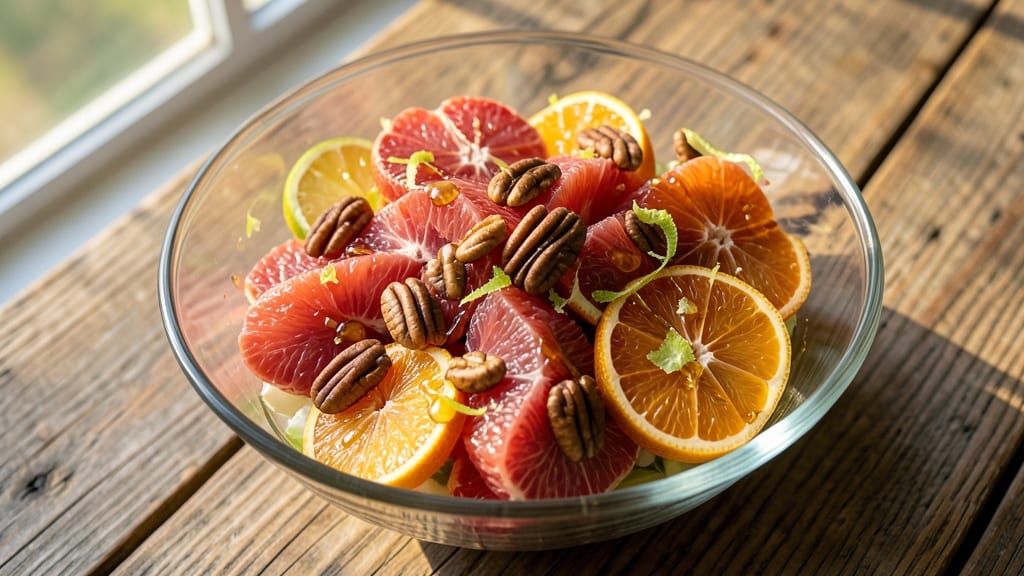
This Claim Jumper citrus salad recipe transforms bright, juicy grapefruit and orange into a Southern classic with a perfect balance of sweet, tangy, and crunchy elements.
The secret lies in proper citrus segmenting—peeling and separating the fruit without wasting a drop of that zesty juice—and pairing it with a simple yet vibrant dressing that enhances every bite.
I’ve perfected this technique over years of testing, ensuring the citrus stays fresh while the pecans add a satisfying crunch that keeps the salad exciting.
The foundation of this salad is all about texture contrast: tender citrus segments, crisp greens, and toasted pecans that hold their shape. A light honey-lime vinaigrette ties everything together, cutting through the citrus’s natural bitterness while adding a subtle sweetness.
Unlike many citrus salads that rely on heavy dressings, this version lets the fruit shine while the dressing enhances rather than overpowers. It’s the kind of dish that feels both elegant and effortless—ideal for brunch, summer gatherings, or a refreshing weeknight meal.
What makes this recipe stand out is its versatility. While traditional versions call for blue cheese, I’ve found that adding avocado or feta offers modern twists that still honor the salad’s Southern roots.
The key is plating with intention: arrange the citrus segments in a circular pattern, scatter the pecans evenly, and finish with fresh herbs for color. The result is a visually stunning dish that’s as impressive on a dinner table as it is on a picnic blanket.
Ready in just 15 minutes, this salad delivers restaurant-quality results with minimal effort. The citrus segments stay juicy and vibrant, the dressing clings to every bite, and the pecans provide that satisfying crunch that keeps everyone reaching for seconds.
Whether you’re serving it as a starter or a light main, this Claim Jumper salad is a crowd-pleaser that proves healthy eating can be both delicious and visually stunning.
Ingredients for claim jumper citrus salad
Six bright ingredients transform into this Southern citrus classic—juicy, crunchy, and perfectly balanced.
| Ingredient | Amount | Notes |
|---|---|---|
| Ruby Red Grapefruit 🍊 | 2 whole | Seedless preferred, peeled and segmented |
| Navel Oranges 🍊 | 2 whole | Peeled and segmented, juicy variety |
| Fresh Lime Juice 🍋 | ½ cup | Strained, no pulp for smooth dressing |
| Extra-Virgin Olive Oil 🫒 | ¼ cup | Light, fruity variety preferred |
| Raw Honey 🍯 | 2 tbsp | Local honey for subtle flavor |
| Pecans 🥜 | 1 cup | Toasted until golden, roughly chopped |
| Baby Spinach 🌿 | 6 cups | Fresh, crisp leaves for base |
| Red Onion 🧅 | ¼ cup | Thinly sliced, for sharp bite |
| Fresh Mint Leaves 🍃 | ¼ cup | Chopped, for bright finish |
| Crumbled Feta Cheese 🧀 | ½ cup | Salty, tangy variety preferred |
| Diamond Crystal Kosher Salt 🧂 | ½ tsp | For seasoning dressing |
| Freshly Ground Black Pepper 🌶️ | ¼ tsp | For dressing balance |
The citrus is everything here. Ruby Red grapefruit and Navel oranges should be firm, heavy for their size, and free of soft spots—Whole Foods or local markets usually have the juiciest varieties. If you can't find seedless, just take your time to remove them. The dressing's secret? Fresh lime juice—don't use bottled. I grab mine from Trader Joe's when they're on sale, but any bright green lime works. For the pecans, Costco's bulk section has the best price, but toast them yourself for maximum flavor. Skip the pre-toasted stuff—it's never as good.
No ruby red grapefruit? Pink grapefruit works too, but the red variety has that signature pop. Short on oranges? Blood oranges add a deeper color, but regular Navels keep things classic. The dressing can be made ahead—just store it in a jar with a tight lid. If you're avoiding honey, agave or maple syrup works in a 1:1 swap, though honey's floral notes are ideal. For the greens, baby spinach or arugula both work, but spinach holds up better to the citrus. And if you're not a feta fan, crumbled goat cheese adds a nice tang too.
Citrus stays fresh for 3 days in the fridge if you wrap the segments tightly in plastic. The dressing keeps for 1 week and actually gets better as the flavors meld. Pecans? Store them in an airtight container in the freezer to keep them crisp. I like to pre-toast the pecans and store them separately so they stay crunchy right up until serving. This salad tastes even better the next day—make extra for leftovers!
Why You'll Love This Recipe
- Five-Minute Prep: I swear, this salad takes less time than boiling water for pasta. Just peel, segment, and toss—no fancy techniques, no mess. The grapefruit and oranges do all the work for you.
- Sweet-Sour Magic: That honey-lime dressing? It’s the secret weapon. The Ruby Red’s tart bite and the Navel’s juicy sweetness play perfectly off the bright citrus punch—like a party in your mouth where everyone’s invited.
- Meal Prep Hero: Make it once, eat it all week. The segments keep well in the fridge for days, and it’s the perfect side for grilled chicken, fish, or even just toast with butter. My lunchbox’s new best friend.
- Budget Brightener: Fresh citrus feels fancy, but it’s actually cheap and lasts. A few dollars buys enough for days of lunches, and you’ll use the whole fruit instead of letting half go to waste. Smart, simple, and satisfying.
Step-by-step instructions for zesty lime and grapefruit salad
Here's how to assemble this refreshing citrus salad with perfect balance and texture.
Segment the Citrus Fruits
Cut the 2 whole Ruby Red grapefruits and 2 whole Navel oranges in half crosswise and remove any seeds. I like to use a sharp knife and carefully slice between the membranes to release the segments into a large mixing bowl. You should end up with about 4 cups of segmented citrus—this is your vibrant base. The grapefruit adds a slightly bitter contrast that balances the sweetness of the oranges.
Work quickly to prevent browning. If you're not using seedless varieties, pick through the segments to remove any remaining seeds. The goal is to have clean, juicy citrus pieces that won't make the salad taste gritty. I usually use my fingers to gently separate the segments from the membranes for the cleanest result.
Toast the Pecans
Spread the 1 cup of pecans in a single layer on a baking sheet. Toast in a preheated 350°F oven for 8-10 minutes until they're fragrant and just beginning to turn golden. Watch them closely—they'll darken quickly. Remove from the oven and let cool for 2 minutes before roughly chopping them with a knife or food processor.
This toasting step makes all the difference in flavor. The pecans should smell rich and nutty, not burnt. Once cooled, transfer them to a small bowl to mix with the dressing later. The toasted flavor will complement the citrus perfectly and add that satisfying crunch we all love.
Prepare the Dressing
In a small bowl, whisk together the 0.5 cup fresh lime juice, 0.25 cup extra-virgin olive oil, 2 tbsp raw honey, 0.5 tsp Diamond Crystal kosher salt, and 0.25 tsp freshly ground black pepper until fully combined. The dressing should have a vibrant yellow color and a smooth consistency. Taste it and adjust the honey or salt if needed—you want it bright but not overpowering.
This dressing is the heart of the salad. The lime juice provides acidity that cuts through the citrus sweetness, while the honey and olive oil create a silky finish. I like to whisk it vigorously for about 30 seconds to fully emulsify the oil and juice. The dressing should coat the back of a spoon without being too thick.
Assemble the Salad
In a large bowl, combine the 6 cups baby spinach, 0.25 cup thinly sliced red onion, and 0.25 cup chopped fresh mint leaves. Gently toss everything together until the spinach is just wilted but still vibrant green. The red onion adds a sharp bite that contrasts beautifully with the citrus, while the mint brings freshness that ties everything together.
This is where the magic happens. The spinach should look fresh and bright, not limp. Add the citrus segments and pecans to the bowl, then pour the dressing over everything. Toss gently but thoroughly to coat all the ingredients evenly. The salad should look like a colorful citrus explosion with green and crunchy accents throughout.
Serve Immediately
Divide the salad into 6 equal portions and serve immediately. The best way to enjoy this salad is right after assembly when everything is crisp and the dressing is still vibrant. I like to garnish each serving with an extra sprinkle of crumbled feta cheese right before serving—this adds a salty contrast that makes the citrus flavors pop even more.
This salad holds up well for about 2 hours in the refrigerator if you need to prepare it ahead, but the texture will be slightly softer. For the best experience, assemble it fresh and serve it immediately. The combination of citrus, crunchy pecans, and creamy feta creates a perfect balance of sweet, tangy, and savory that's hard to beat.
Pro Tips For Making Claim Jumper Citrus Salad
- PEEL WITH A KNIFE: Skip the dull spoon—grab a sharp chef’s knife and slice off the peel in one clean motion. The grapefruit’s thick rind is stubborn, and a spoon leaves you with a mushy mess. Hold the fruit steady, angle the blade, and let gravity do the work. (Yes, it’s slower, but your hands will thank you later.)
- SALT THE FRUIT FIRST: Toss the segmented grapefruit and oranges with a pinch of flaky salt before dressing. The salt draws out just enough moisture to make the citrus segments cling together slightly—like a loose, bright slaw. Skip this, and your salad will feel scattered. (I learned this after watching my first batch fall apart in the bowl.)
- DRESS JUST BEFORE SERVING: Whisk the lime juice, olive oil, and honey together, but don’t drench the fruit until the last 2 minutes. The acid in lime breaks down the citrus fibers over time, turning your salad into a sad, watery puddle. Keep the dressing separate until serving—trust me, the texture stays crisp.
- USE A GRATER FOR ZEST: Instead of muddling lime zest (which bruises the fruit and makes the salad bitter), finely grate the peel with a microplane. You’ll get more flavor without the grit, and it distributes evenly. (Bonus: Save the leftover zest for garnish—it’s free confetti for your plate.)
Common mistakes when making this dish
Over-Segmenting Citrus
Don’t cut the grapefruit and orange segments too small—they should stay in 1-inch chunks to maintain texture. When you slice between the membranes, leave them attached to the fruit’s base to prevent excessive juice release.
I’ve seen salads turn soggy when over-chopped, so work gently and keep those segments intact. 🍊
Skipping the Toast
Never skip toasting the pecans—raw pecans taste bland and won’t provide that satisfying crunch. Toast them at 350°F for 8-10 minutes until golden, not dark brown. Over-toasting burns their natural oils, making them bitter. I always let them cool before chopping to avoid releasing excess oil into the salad.
Using Bottled Citrus Juice
Bottled lime juice lacks the brightness of fresh, and it often contains preservatives that dull the salad’s flavor. Always use freshly squeezed lime juice—it’s worth the extra 2 minutes of zesting. I strain mine through a fine-mesh sieve to remove any pulp, which can make the dressing grainy. 🍋
Dressing Too Early
Adding dressing to the citrus segments before assembling the salad causes them to release excess juice, making the salad watery. Wait until you’ve combined all ingredients in the final bowl, then toss everything together.
This keeps the citrus vibrant and the greens crisp. I like to pour the dressing in a thin stream while gently tossing to ensure even coating.
Ignoring the Feta Timing
Adding feta cheese too soon causes it to soften and blend into the salad instead of providing a creamy contrast. Sprinkle it on just before serving—its salty tang should cut through the citrus at the last possible moment.
I use ½ cup crumbled feta per serving, but add it only when plates are ready to go.
Over-Tossing the Greens
Aggressive tossing wilts the spinach and makes the salad look sad. Gently fold the greens just until they’re wilted but still bright. The citrus segments should stay intact, not broken into tiny pieces. I use a large spoon to gently mix everything—no flinging or vigorous shaking! 🌿
Nutrition facts
Frequently asked questions
Can I substitute grapefruit with other citrus fruits?
While Ruby Red grapefruit gives that signature sweet-tart balance, you can use pink grapefruit or even blood oranges for a deeper color. Just note that grapefruit's slight bitterness helps cut through the sweetness of the oranges. If you use oranges only, add a splash of extra lime juice to keep the flavors bright.
How do I properly segment citrus without wasting juice?
Cut the fruit crosswise, then carefully slice between the membranes to release segments whole. Work quickly to prevent browning, and use your fingers to gently separate segments from the membranes. Save any juice that collects in the bowl—it's perfect for making extra dressing! The key is patience and a sharp knife.
Can I make this salad ahead of time?
Yes, but assemble it just before serving for best texture. Store the citrus segments separately in the fridge for up to 3 days, and keep the dressing in a sealed container for 1 week. Toast the pecans fresh, and add them last. The greens should be tossed with dressing right before serving to maintain crispness.
What if I don't like feta cheese?
No problem! Swap it for crumbled goat cheese (tangy and creamy) or blue cheese crumbles (bold flavor). For a vegetarian option, try avocado slices or toasted pumpkin seeds. The key is adding something salty or crunchy to balance the citrus sweetness.
Why does my salad look watery?
This usually happens when citrus segments release too much juice. Try these fixes: Drain excess juice from the bowl before tossing, add dressing last (not to citrus alone), or pat greens dry before assembling. Also, avoid over-chopping the citrus—keep segments in 1-inch chunks for better texture control.