
Salads
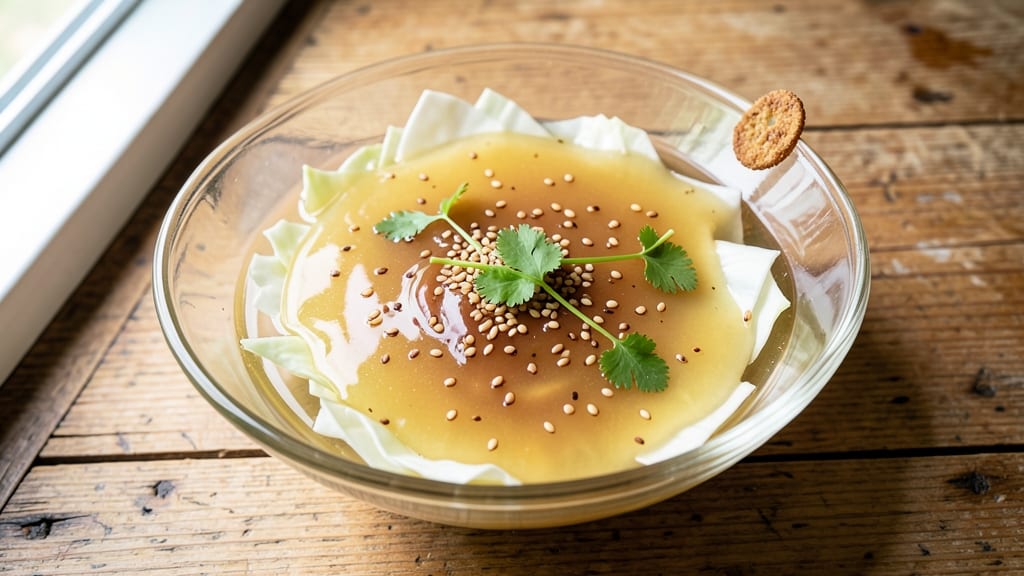
This Chinese cabbage salad dressing recipe transforms simple Chinese cabbage into a vibrant, flavor-packed side dish that steals every meal. The perfect balance of tangy citrus, nutty sesame, and umami-rich soy creates a dressing that clings beautifully to crisp cabbage leaves while adding layers of complexity.
I developed this recipe after realizing store-bought dressings always fell short—too sweet, too thin, or lacking depth.
The secret lies in the combination of rice vinegar for brightness, toasted sesame oil for richness, and a touch of honey to round out the flavors. This dressing stays fresh in the fridge for up to a week, making it ideal for meal prep.
The texture is just thick enough to coat each leaf without making the salad soggy, while the flavors evolve beautifully over time.
What makes this dressing truly special is its versatility—it elevates not just Chinese cabbage but also other greens, noodle salads, or even grilled meats. The citrus notes cut through richness, while the sesame adds a satisfying crunch with every bite.
Whether you're serving it as a side or the star of your salad bowl, this dressing brings restaurant-quality flavor to your home kitchen.
For best results, whisk all ingredients together just before serving to maintain that fresh, bright pop of flavor. Store any leftovers in an airtight container in the refrigerator, and give it a quick shake before using again.
This dressing is your new go-to for adding depth and excitement to any dish.
Ingredients for chinese cabbage salad dressing
Bright citrus, nutty sesame, and umami soy—just ten ingredients transform your salad game.
| Ingredient | Amount | Notes |
|---|---|---|
| Rice Vinegar 🍶 | ½ cup | Unseasoned for brightness |
| Toasted Sesame Oil 🥜 | 1 ½ tbsp | Nutty aroma essential |
| Fresh Lemon Juice 🍋 | ¼ cup | Freshly squeezed preferred |
| Honey 🍯 | 2 tbsp | Light amber for balance |
| Low-Sodium Soy Sauce 🍜 | 1 ½ tbsp | Umami depth without salt overload |
| Toasted Sesame Seeds 🌱 | 1 ½ tbsp | Crunchy texture booster |
| Fresh Ginger 🧡 | 1 tbsp | Finely grated, aromatic |
| Garlic Cloves 🧄 | 2 cloves | Minced for subtle punch |
| Water 💧 | ¼ cup | Adjust for desired thickness |
| Diamond Crystal Kosher Salt 🧂 | ½ tsp | Fine grain for balance |
The sesame oil is non-negotiable here—Kadoya or La Choy are my go-tos, but any brand with a strong nutty aroma works. Fresh ginger and garlic are worth the extra minute to grate/mince (no powdered shortcuts). The rice vinegar should be unseasoned—Mushroom or Seasoned types add unwanted sweetness. For honey, light amber keeps it from overpowering the citrus. If you're short on time, Trader Joe's sells pre-minced ginger and garlic in the freezer section—game changer for weeknights.
No sesame oil? Peanut oil at half the amount works in a pinch, but the flavor won't be identical. Fresh lemon juice can be swapped for bottled lemon juice (like ReaLemon) if you're in a bind, though it lacks the same brightness. For extra tang, add 1 tsp of rice vinegar if your lemon juice tastes mild. The dressing needs to be whisked well—immersion blender for 10 seconds ensures no clumps. Too thick? Add water 1 tsp at a time until it coats the back of a spoon.
This keeps 7-10 days in an airtight jar in the fridge—shake before each use. For meal prep, divide into small containers so you only take out what you need. The sesame seeds stay fresh longest if stored in the freezer for up to 3 months. Double the batch if you're prepping for the week—it's perfect on noodles, grilled chicken, or even as a marinade. The flavors actually improve after 24 hours as everything melds together.
Why You'll Love This Recipe
- Five-Ingredient Magic: I swear by this—just shake, pour, done. No blender, no strainer, no fuss. That toasted sesame oil alone makes it taste like you put in hours.
- Bright & Tangy: The lemon cuts through the honey’s sweetness while the soy adds depth—honestly, it’s the kind of dressing that makes you want to eat the cabbage plain just to taste it again.
- Meal Prep MVP: Make a big batch and keep it in the fridge. Drizzle it on noodles, toss with grilled chicken, or even use it as a marinade. (Yes, even on a Tuesday night.)
- Budget Brightener: Rice vinegar and soy sauce stretch this dressing further than store-bought. Plus, the honey keeps it from tasting cheap—it’s my secret for making simple meals feel special.
Step-by-step instructions for sesame-citrus dressing
This vibrant dressing comes together in minutes with simple ingredients you likely already have.
Whisk Together the Base Ingredients
In a medium bowl, combine the 0.5 cup rice vinegar, 0.25 cup fresh lemon juice, 2 tbsp honey, 1.5 tbsp low-sodium soy sauce, and 0.25 cup water. I use a whisk for this step—it helps dissolve the honey completely and creates a smooth foundation. The mixture should look like a pale, golden liquid with tiny bubbles.
Taste the combination before adding anything else. You'll notice a bright tang from the vinegar and lemon, a touch of sweetness from the honey, and a subtle umami from the soy sauce. This balance is what makes the dressing shine—don't skip the tasting check! If it needs more brightness, add a splash more lemon juice. If it's too sharp, a tiny bit more honey helps smooth it out.
Add Aromatics and Season
Next, add the 1 tbsp finely grated fresh ginger and 2 minced garlic cloves to the bowl. Stir well to incorporate these flavor boosters completely. The ginger will give a warm, zesty kick while the garlic adds depth—just a hint of punch, not overpowering.
Finally, sprinkle in the 0.5 tsp Diamond Crystal kosher salt and stir again. The salt helps all the flavors meld together while balancing the acidity. Let the mixture sit for 2-3 minutes while you prepare the remaining ingredients. This brief rest allows the flavors to begin marrying, which makes the dressing taste even more cohesive when you combine everything.
Finish with Toasted Sesame Oil and Seeds
Drizzle in the 1.5 tbsp toasted sesame oil while whisking continuously. This is where the dressing transforms from good to spectacular—the nutty aroma of the sesame oil adds a rich, toasty note that perfectly complements the bright citrus and vinegar. The oil should emulsify into the mixture, creating a silky texture.
Lastly, fold in the 1.5 tbsp toasted sesame seeds by hand using a spoon. These add a delightful crunch that contrasts beautifully with the smooth dressing. The seeds should be evenly distributed throughout—you'll want every bite of your salad to have that little textural surprise.
Adjust and Serve
Taste the dressing one final time. At this point, it should have a perfect balance of sweet, tangy, umami, and nutty flavors. If it's too thick, add 1-2 teaspoons of water at a time until it reaches your desired consistency—it should coat the back of a spoon but still pour easily.
This dressing keeps well in the refrigerator for up to 5 days, so make extra if you plan to use it throughout the week. It's perfect for Chinese cabbage salads, noodle bowls, or even as a marinade for grilled proteins. The bright, zesty notes cut through rich dishes beautifully, making every bite more vibrant and satisfying.
Pro Tips For Making Chinese Cabbage Salad Dressing
- Whisk in Stages: Don’t dump all ingredients at once—start with the rice vinegar and honey, then the soy sauce, then finish with the lemon juice and sesame oil. The sesame oil is finicky; adding it last keeps its nutty aroma from cooking off and turning bitter. (Yes, even if you’re impatient like me.)
- Use Cold Lemon Juice: Grab the lemon straight from the fridge and juice it into an ice-cold bowl before mixing. Warm lemon juice dulls the brightness, and cold honey blends smoother—no graininess, no sad dressing. I learned this the hard way after a lukewarm batch tasted flat.
- Taste Before the Sesame Oil: Add everything except the sesame oil first, then taste. The oil’s bold flavor can overpower if you’re not careful, and you’ll waste it if you realize the balance is off. A quick check at this step saves second-guessing later.
- Toast the Sesame Oil First: Heat ½ teaspoon of the sesame oil in a dry pan over medium-low for 30 seconds until it smells toasty—just before it smokes. Let it cool, then mix it into the dressing. This adds depth without burning the flavor, and it’s the one thing that makes cheap sesame oil taste premium. (Your future self will thank you.)
Flavor customization for these flavors
Spicy Sesame Kick
For those who love heat, add 1 tsp of sriracha or ½ tsp of gochujang to the base mixture before whisking. The spicy kick pairs perfectly with the nutty sesame and bright citrus.
I like to balance it with an extra ½ tsp of honey to soften the heat. For a smoky twist, add ¼ tsp of smoked paprika—it deepens the flavor without overpowering. 🌶️
Creamy Yogurt Twist
Swap out ½ cup of plain Greek yogurt for the water in the recipe to create a tangy, creamy dressing. The yogurt adds a velvety texture that works beautifully with the crunch of sesame seeds.
I recommend using full-fat yogurt for the best mouthfeel, but low-fat works in a pinch. This variation is perfect for heartier salads or as a dip for roasted veggies.
Sweet and Tangy Mango
Replace the lemon juice with ¼ cup of fresh mango puree (blend ripe mango until smooth) for a tropical twist. The natural sweetness of the mango complements the sesame and soy beautifully.
Add an extra 1 tsp of rice vinegar to balance the sweetness. This variation is a game-changer for summer meals and pairs well with grilled shrimp or chicken skewers.
Herb-Infused Freshness
Stir in 1 tbsp of finely chopped cilantro or Thai basil just before serving for a fresh, herbaceous note. The herbs add a bright contrast to the rich sesame flavors.
For extra depth, add ½ tsp of fish sauce (like Red Boat) to the base mixture—it enhances the umami without overpowering. This variation is ideal for Vietnamese-inspired dishes or as a marinade for tofu or pork.
Smoky Maple Glaze
Replace the honey with 2 tbsp of pure maple syrup and add ½ tsp of liquid smoke for a smoky, sweet dressing. The maple syrup adds a deeper caramel note, while the liquid smoke gives it a subtle barbecue flavor.
This variation is perfect for fall and winter meals, especially when paired with roasted root vegetables or hearty grains like quinoa.
Lighter Avocado Dressing
Blend ½ of an avocado into the dressing for a creamy, healthy twist. The avocado adds richness and healthy fats, making this dressing heartier. Add an extra 1 tbsp of water if the mixture becomes too thick.
This variation is ideal for those watching their calorie intake but still want a flavorful dressing. It’s also a great option for vegan diets if you omit the honey and use maple syrup instead. 🥑
Nutrition facts
Frequently asked questions
Can I make this dressing without sesame oil?
Yes! If you don't have sesame oil, use ½ tablespoon peanut oil or walnut oil as a substitute. The flavor won't be identical, but it will still add richness. For a nut-free option, try 1 teaspoon of tahini mixed with ¼ cup water to thin it out. The key is to maintain the nutty depth—just know the texture may be slightly different.
How do I adjust the thickness of the dressing?
Start with the recipe as written, then adjust by adding 1 teaspoon of water at a time if it's too thick. For a thicker dressing, reduce the water by 1 teaspoon and whisk again. The perfect consistency should coat the back of a spoon but still pour smoothly. If you're using it on shredded cabbage, a slightly thinner consistency helps it cling better to the leaves.
What's the best way to store leftovers?
Transfer any unused dressing to an airtight container and refrigerate for up to 7 days. Shake well before using again, as the sesame seeds may settle. For longer storage, freeze the dressing in ice cube trays—thaw overnight in the fridge and add a splash of water to restore consistency. The sesame seeds stay fresher if stored separately in the freezer for up to 3 months.
Can I use this dressing on other vegetables besides Chinese cabbage?
This dressing works beautifully on shredded carrots, cucumber slices, bell peppers, or even steamed broccoli. It also elevates rice noodle salads or grilled chicken as a marinade. The bright citrus and nutty sesame flavors complement both raw and cooked vegetables equally well. For heartier veggies like sweet potatoes, add a touch more honey to balance the acidity.
Why does my dressing separate after refrigeration?
This happens when the oil and liquid ingredients aren't fully emulsified. To fix it, whisk the dressing vigorously for 30-60 seconds or use an immersion blender for 10 seconds to recombine the ingredients. For prevention, whisk the dressing thoroughly before storing and avoid adding too much water. A splash of lemon juice can also help stabilize the emulsion by adding acidity.