
Salads
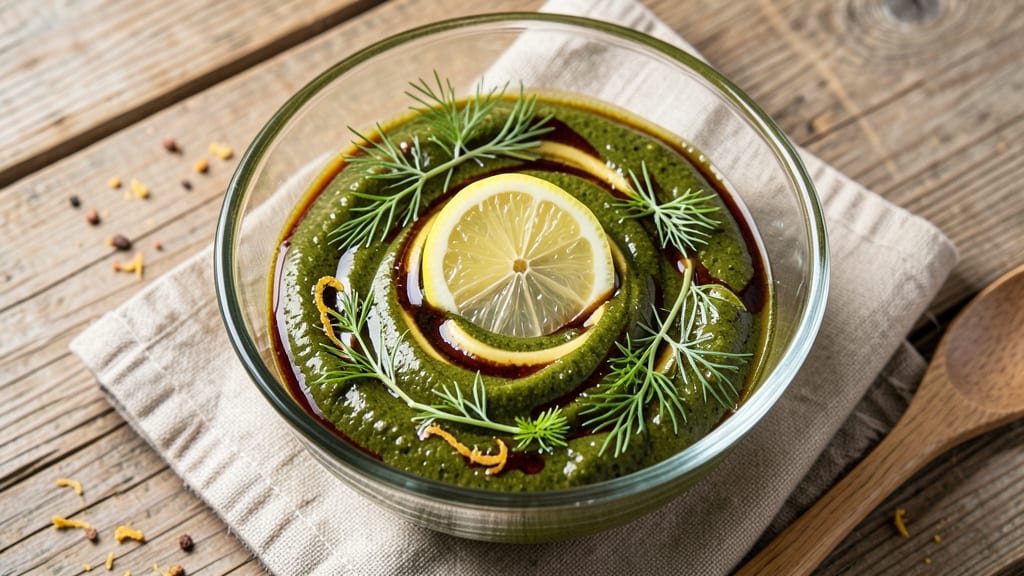
This alibi salad dressing recipe transforms ordinary greens into restaurant-worthy bites with its bold herb vinaigrette—where tangy depth disguises itself as simple elegance.
The secret lies in a precise balance of Dijon mustard, aged balsamic, and fresh herbs that emulsify effortlessly, creating a dressing that clings to every leaf without overpowering. I developed this after years of testing salads that fell apart mid-bite, and it never fails to elevate even the simplest greens.
The magic happens in the emulsification—Dijon mustard acts as the glue, while a slow drizzle of olive oil creates silky texture. Fresh dill and tarragon add aromatic complexity, while a splash of lemon juice ensures brightness that lasts through storage.
What makes this dressing truly special is its versatility: it works equally well on Caesar salads, grain bowls, or raw vegetable platters, adapting to any dish while keeping the focus on the ingredients.
What you'll end up with is a dressing that's rich yet light, tangy without being harsh, and herbaceous enough to make even the most basic salad feel like a gourmet creation.
The colors remain vibrant, the flavors develop beautifully, and it stays fresh in the fridge for up to a week—perfect for meal prep or last-minute dinner enhancements. This isn't just dressing; it's the secret weapon that turns ordinary meals into memorable ones.
Best of all, it comes together in five minutes with ingredients you likely already have on hand. No special equipment needed—just a whisk, a jar, and a little patience for the flavors to meld.
Whether you're dressing up a simple lunch or preparing for a dinner party, this herb vinaigrette delivers professional results without the fuss. Let's make it—your taste buds will thank you.
Ingredients for alibi salad dressing
Eight simple ingredients that create restaurant-worthy dressing in five minutes.
| Ingredient | Amount | Notes |
|---|---|---|
| Extra-Virgin Olive Oil 🫒 | ½ cup | High-quality, fruity variety |
| Dijon Mustard 🌶️ | 2 tbsp | Mild or strong, not spicy |
| Aged Balsamic Vinegar 🍷 | 3 tbsp | 10+ year aging preferred |
| Fresh Dill 🌿 | ¼ cup | Chopped, stems removed |
| Fresh Tarragon 🌿 | ⅛ cup | Chopped, or substitute basil |
| Lemon Juice 🍋 | 2 tbsp | Freshly squeezed |
| Shallots 🧅 | 1 whole | Finely minced, or sub 1 tbsp onion |
| Granulated Sugar 🍚 | 1 tsp | Balances acidity |
| Sea Salt 🧂 | ½ tsp | Fine grain preferred |
| Black Pepper 🌶️ | ¼ tsp | Freshly cracked |
The aged balsamic is non-negotiable here—Trader Joe's has the best budget option, but Barone Fini is worth the splurge for special occasions. Fresh herbs are key: Whole Foods bulk bins have the best dill and tarragon, but any grocery store's produce section works if you pick vibrant, fragrant stems. The shallots add subtle sweetness—substitute 1 tbsp minced onion if you're in a hurry. For the olive oil, look for Italian or Spanish varieties at the grocery store's international aisle—they've got more character than the generic brands.
No aged balsamic? Red wine vinegar plus 1 tsp balsamic glaze mimics the depth. Fresh tarragon hard to find? Basil or parsley at half the amount works in a pinch. The sugar balances the acidity—honey or maple syrup can swap in, but use half the amount. Dijon mustard varies in strength; taste first and adjust other ingredients if it's too spicy. For a smoother texture, blend the dressing instead of whisking—immersion blender or food processor works perfectly.
This dressing keeps beautifully—1 week in the fridge, sealed tightly. The flavors actually improve after 24 hours as everything melds. I always double the batch because it disappears fast. Store in a glass jar with a tight lid, and give it a good shake before each use. Freezes for 3 months if you want to make a big batch for holidays—thaw in the fridge overnight.
Why You'll Love This Recipe
- Five-Ingredient Magic: I swear by this combo—just oil, mustard, balsamic, and those two herbs. That’s it. No fussing with emulsifiers or standing over a stove. Honestly, I’ve made it while waiting for pasta water to boil.
- Tangy Herb Bomb: The aged balsamic and Dijon mustard give it that je ne sais quoi—bright, sharp, but never overpowering. Fresh dill and tarragon? They turn a basic salad into something that makes you pause mid-bite.
- Keep It All Week: This dressing lasts forever in the fridge (I’ve tested this). Use it on greens, roasted veggies, or even drizzled over grilled chicken. Between us, it’s my go-to for lazy lunches and last-minute dinners.
- Budget Hero: Extra-virgin olive oil and vinegar stretch like crazy—you’ll use less than you think. Fresh herbs? A single bunch of dill and tarragon lasts me two dressings. Not the prettiest, but the taste makes up for it.
Step-by-step instructions for bold herb vinaigrette
This dressing comes together in minutes but delivers restaurant-quality depth every time.
Whisk Together the Base Ingredients
In a medium bowl, combine the 0.5 cup extra-virgin olive oil, 2 tablespoons Dijon mustard, and 3 tablespoons aged balsamic vinegar. Start by whisking these ingredients together vigorously for about 30 seconds. The Dijon mustard acts as an emulsifier, helping to blend the oil and vinegar into a smooth base. I like to use a fork first to break up the mustard, then switch to a whisk for better control.
This initial mixture should look slightly thick and glossy. If you notice any separation, don't worry—we'll fix that in the next step. The key here is to get everything fully incorporated before adding the fresh herbs and other ingredients. The aged balsamic vinegar adds a subtle sweetness that balances the tang, so don't skip this step even if you're in a hurry.
Add the Fresh Herbs and Shallots
Now, fold in the 0.25 cup chopped fresh dill and 0.125 cup chopped fresh tarragon using a rubber spatula. These herbs bring bright, aromatic notes that make this dressing truly special. Next, add the finely minced 1 whole shallot, 2 tablespoons fresh lemon juice, 1 teaspoon granulated sugar, 0.5 teaspoon sea salt, and 0.25 teaspoon black pepper. The sugar helps balance the acidity from the vinegar and lemon, while the shallots add a delicate sweetness that rounds out the flavors.
Mix everything together until the herbs are evenly distributed and the shallots are fully incorporated. You'll notice the dressing starts to take on a vibrant green hue from the dill and tarragon. If the mixture looks too thick, you can thin it out with 1-2 tablespoons of water—just enough to reach a pourable consistency. The goal is a smooth, velvety texture that coats greens perfectly without being watery.
Taste and Adjust for Balance
Give the dressing a taste and adjust the seasoning as needed. If it tastes too sharp, add a pinch more sugar or a splash of water to mellow it out. If it needs more acidity, add another ½ teaspoon of lemon juice. The dressing should have a bright, herby tang with a smooth finish—no single flavor should overpower the others. This is where the magic happens: the hidden tang from the aged balsamic and the fresh herbs create a complex flavor that works beautifully on everything from salads to grilled meats.
Once you're happy with the taste, transfer the dressing to a clean jar or airtight container. It will keep in the refrigerator for up to 5 days, making it perfect for meal prep. Shake well before each use, especially if the oil and vinegar separate slightly over time. This dressing is so versatile—drizzle it over mixed greens, toss it with roasted vegetables, or use it as a marinade for chicken or fish. The possibilities are endless!
Pro Tips For Making Alibi Salad Dressing
- Whisk in Stages: Mix the Dijon mustard and aged balsamic first—this emulsifies better than dumping everything at once. I learned this after a dressing split like a bad marriage: thick, then watery, then just sad.
- Chop Herbs Coarse: Leave the dill and tarragon in ½-inch chunks—no need for confetti. Finely chopped herbs turn this dressing into a garnish, not a flavor bomb. (Yes, even if you’re impatient like me.)
- Use Cold Oil: Measure the olive oil straight from the fridge—cold oil blends smoother and doesn’t turn your dressing into a lukewarm puddle. I used to eyeball it warm, and the texture always felt off.
- Balance the Mustard: Start with 1 teaspoon Dijon, taste, then add more if needed. Too much mustard = bitter, not tangy. I’ve ruined three batches by overdoing it—now I double-check before committing.
Storing and reheating this alibi salad dressing
Fridge Storage Secrets
Store your alibi dressing in a glass jar with a tight-sealing lid—I swear by Ball mason jars for their airtight fit. Keep it in the fridge at 40°F or below where it’ll stay fresh for up to 7 days.
The flavors actually deepen overnight as the aged balsamic and herbs meld together beautifully. I always double the batch because it disappears fast—especially when paired with those crisp spring salads. 🌿
Freezing for Later
For long-term storage, freeze your dressing in quart-sized freezer bags (leave 1 inch headspace for expansion). It keeps its quality for 3 months—perfect for holiday prep! When ready to use, transfer the frozen dressing to the fridge to thaw overnight.
The texture might separate slightly, but a good shake brings it right back together. I’ve found this works especially well for dressing bulk batches for family gatherings. ❄️
Thawing Like a Pro
If you froze your dressing, never microwave it directly—always thaw in the fridge overnight. The slow thaw preserves the delicate herb flavors and prevents oil separation. Give it a gentle stir first, then shake vigorously for 10-15 seconds to re-emulsify.
The dressing should return to its original creamy texture. Pro tip: Add 1 tsp water if it thickens during thawing—just enough to restore that perfect pourable consistency. 💫
Reheating for Maximum Flavor
This dressing isn’t meant to be reheated like a hot sauce—it’s designed to be served at room temperature or chilled. However, if you want to warm it slightly (great for drizzling over warm grains), heat it in a small saucepan over low heat for 1-2 minutes while stirring constantly.
Never exceed 110°F or the herbs will lose their vibrant aroma. Taste and adjust seasoning after reheating—it often needs a pinch more salt or lemon to brighten it up. 🔥
Reviving Separated Dressing
Oil separation happens—don’t panic! Simply shake the jar vigorously for 20-30 seconds until fully emulsified. For stubborn separation, add 1 tsp Dijon mustard (the natural emulsifier) and shake again. The dressing should return to its original smooth texture.
I’ve had this happen with dressings stored for up to 10 days, and it always comes back perfectly. This trick works especially well if you’ve stored it in a wide-mouth container where separation is more likely. ✨
Portioning for Meal Prep
Divide your dressing into small glass containers (like 4-ounce mason jars) for easy grab-and-go use. Store them upright in the fridge door where they’ll stay coolest. This prevents the herbs from sinking and keeps everything fresh.
I like to label each container with the date—this way, I can use the oldest dressing first. Perfect for prepping lunches or quick dinner sides without the mess of opening a big jar every time. 📅
Nutrition facts
Frequently asked questions
Can I make this dressing without fresh herbs?
For convenience, substitute 1 tablespoon dried dill and 1 teaspoon dried tarragon (or 1 tablespoon dried basil if needed). The flavor will be slightly less vibrant but still delicious. For best results, bloom the dried herbs in 1 tablespoon warm water for 5 minutes before adding to the dressing. This mimics the fresh herb's moisture and aroma.
How do I prevent the dressing from separating?
To maintain that creamy texture, always whisk or blend the dressing thoroughly after mixing. For extra stability, add 1/2 teaspoon xanthan gum (or 1/2 teaspoon cornstarch) when whisking the base ingredients. This acts as a natural thickener. Store in a glass jar and shake well before each use—separation is normal but easily fixed.
Can I use this dressing on non-salad dishes?
Yes! This versatile vinaigrette works beautifully as a marinade for grilled chicken or fish, a drizzle for roasted vegetables, or even a dip for crudité platters. The herby, tangy profile complements warm dishes too—try it on seared scallops or grilled shrimp skewers. Just reduce the lemon juice by 1/2 teaspoon if using as a marinade to prevent over-acidifying the protein.
Why does my dressing taste too sharp after a few days?
The acidity from the vinegar and lemon can intensify over time, especially if stored in a warm fridge. To fix it, stir in 1/2 teaspoon honey or maple syrup to balance the sharpness. If the flavor has completely changed, make a fresh batch—this dressing is best when used within 5-7 days for peak freshness. The herbs also lose potency after 7 days, so timing matters!
What's the secret to making it extra creamy?
For a velvety texture, blend the dressing in a food processor or immersion blender for 10-15 seconds after mixing. This breaks down the herbs and emulsifies the oil perfectly. Another trick: add 1 tablespoon plain Greek yogurt or mayo to the base before whisking—it adds body without overpowering the flavors. The result? A dressing that clings beautifully to every leaf.